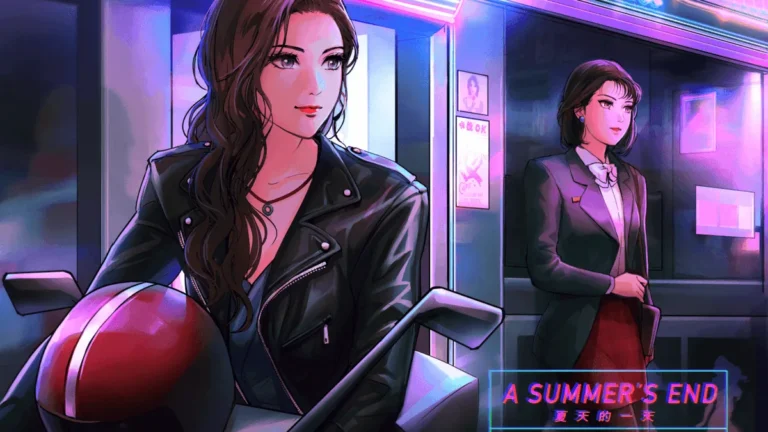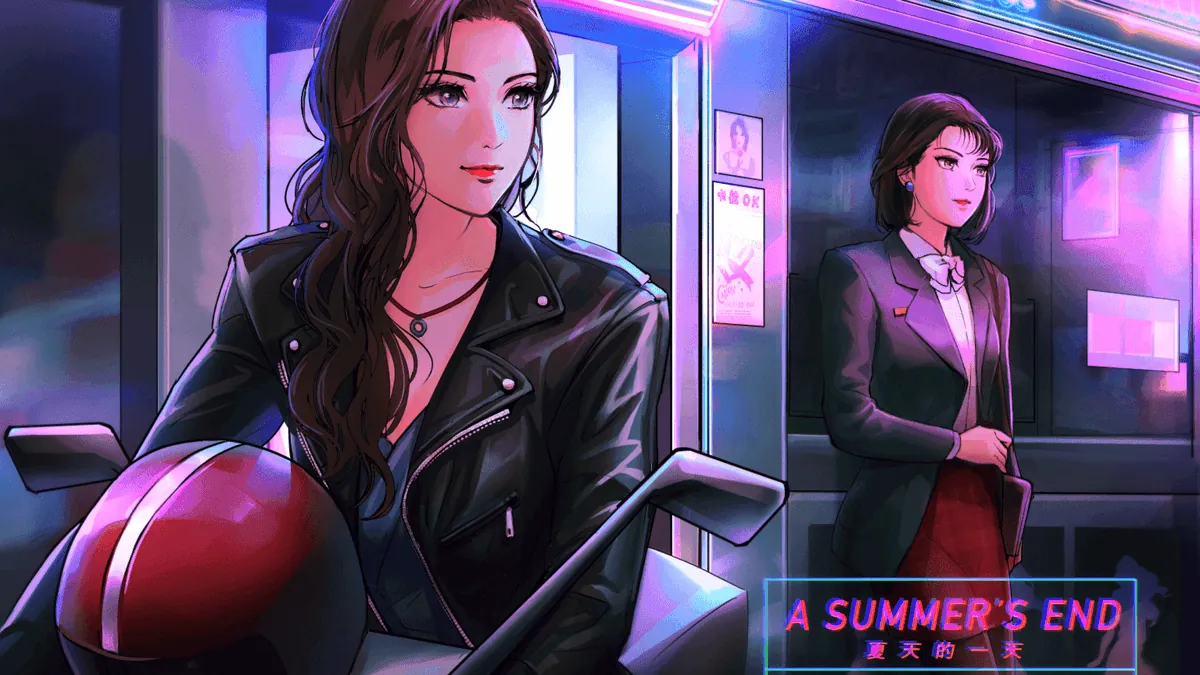
A Summer’s End – Hong Kong, 1986
Play A Summer’s End – Hong Kong, 1986
A Summer’s End – Hong Kong, 1986 Screenshots





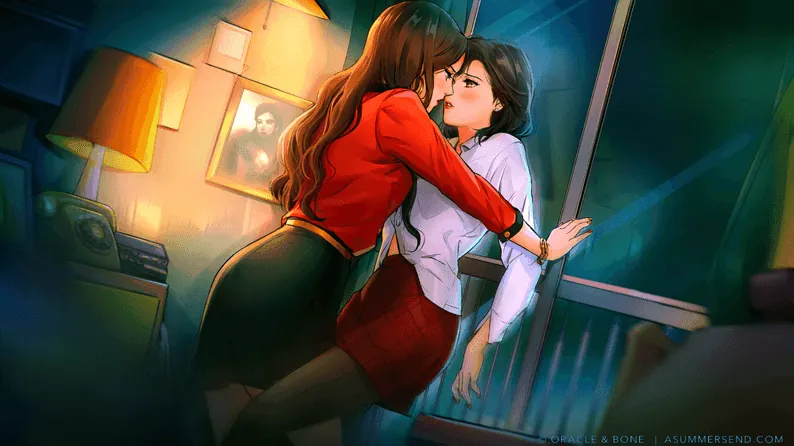
A Summer’s End – Hong Kong, 1986 review
Explore the heartfelt romance, stunning 1980s visuals, and intimate moments in this iconic Hong Kong story
Imagine stumbling upon a chance encounter in the bustling streets of 1986 Hong Kong that sparks a tender, forbidden romance between two women—Michelle and Sam. That’s the magic of A Summer’s End – Hong Kong, 1986, a visual novel that captures the neon glow of Mong Kok, the serene Sai Kung seascapes, and the emotional turmoil of love amid cultural shifts. With lush hand-drawn art inspired by 80s anime and a vaporwave soundtrack, this game isn’t just a story; it’s a nostalgic journey into identity and desire. I’ve replayed it multiple times, and each path feels personal—like reliving my own summer flings. Dive in to uncover its two endings, bonus scenes, and that optional patch for deeper intimacy.
What Makes A Summer’s End Hong Kong 1986 a Must-Play Romance?
I remember scrolling through Steam late one night, tired of the same epic fantasies and shooters, when a splash of neon pink and blue caught my eye. What is A Summer’s End – Hong Kong, 1986, I wondered? The art was instantly striking—all soft, sunset hues and sharp 80s fashion. I clicked. An hour later, I was completely hooked, not by dragons or demons, but by something far more powerful: the beautifully relatable ache of Michelle, a young office worker navigating her conservative family’s expectations while secretly yearning for something more. It’s a feeling that transcends time and place, perfectly captured in this iconic 1986 Hong Kong visual novel. If you’ve ever felt stuck between who you are and who the world wants you to be, this game feels like a conversation with your own heart. 💖
Who Are Michelle and Sam, and Why Do They Captivate?
At its core, A Summer’s End – Hong Kong, 1986 is a story about two women finding each other at just the right (or perhaps the most complicated) time. Michelle is our window into this world. She’s pragmatic, a bit worn down by her office job, and carries the quiet weight of filial duty. Her life is a series of predictable routines until a chance encounter shatters it all.
Enter Sam. ☀️ Where Michelle is reserved, Sam is bold—a free-spirited artist with a confident stride and a motorcycle. She represents everything Michelle’s structured life is not: freedom, self-expression, and authenticity. Their initial meetings are a masterclass in subtle tension and budding attraction. The Michelle and Sam romance doesn’t explode onto the scene; it simmers. It’s in the lingering glances, the hesitant conversations, and the shared moments of understanding that feel stolen from a world not quite ready for them.
What makes their dynamic so captivating isn’t just the romance, but the shared exploration of identity. Set against the backdrop of a traditionally conservative society, their connection becomes a safe harbor. You’re not just watching a love story; you’re guiding Michelle as she questions everything she thought she knew about herself, her future, and what love can look like. Their chemistry is the engine of the entire experience, making every choice you make for Michelle feel deeply personal and consequential.
How Does the 1986 Hong Kong Setting Bring the Story Alive?
This isn’t just a romance plopped into any city. The setting of A Summer’s End – Hong Kong, 1986 is a vital, breathing character in its own right. The developers pour an incredible amount of love into recreating the vibrant, tumultuous energy of Hong Kong in that era. You don’t just see it; you feel it. 🌃
The Mong Kok setting game sequences are pure sensory overload in the best way. Think towering neon signs bleeding color onto wet streets, bustling night markets filled with the sizzle of street food, and the constant, rhythmic pulse of city life. These scenes amplify Michelle’s feeling of being a small part of a vast, overwhelming machine. It’s crowded, it’s loud, and it’s absolutely electrifying—the perfect metaphor for her internal chaos.
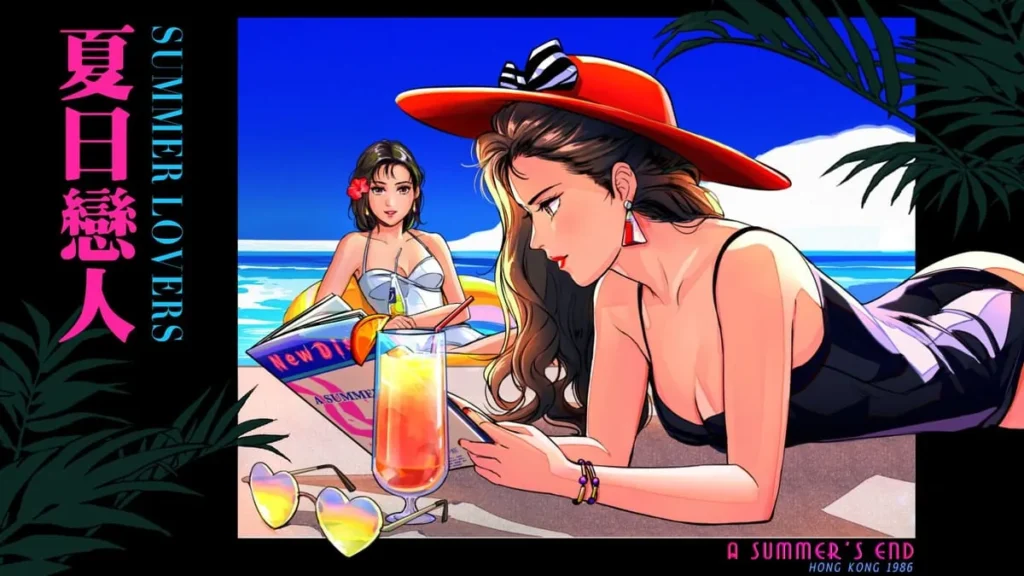
Then, there are the breathtaking respites. The Sai Kung scenery visual novel moments are where the game truly becomes “scenery porn.” These scenes swap neon for nature: serene fishing villages, tranquil hikes to hidden waterfalls, and peaceful boat rides under vast skies. 🏞️ Here, with Sam, the world slows down. The visuals open up, using soft watercolor-like styles to mirror the opening up of Michelle’s heart. This beautiful contrast between the urban jungle and the coastal escapes physically visualizes the conflict between societal pressure and personal desire. It’s a love letter to Hong Kong’s dual nature, making the location inseparable from the emotional journey.
Unlocking the Two Endings: Choices That Hit Hard
The heart of A Summer’s End lies in its interactive dialogue. This isn’t a story you passively watch; it’s one you shape through every conversation. Your choices build an invisible “chemistry” score with Sam, unlocking bonus scenes that deepen your connection and, ultimately, decide your fate. The game endings A Summer’s End offers are two profoundly different paths, and they hit hard because they feel earned.
Your journey leads to one of two conclusions:
| Ending Name | Core Requirement | Emotional Payoff & Key Scene |
|---|---|---|
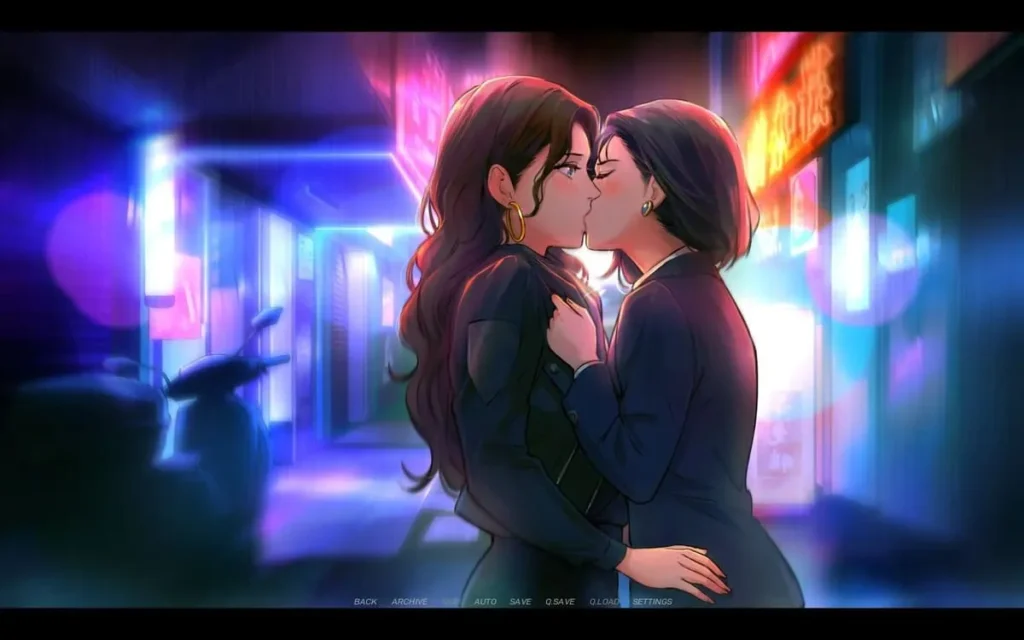
| The Heartfelt “Good End” | Build a high connection with Sam by choosing open, honest, and courageous dialogue options. | A cathartic, beautifully rendered rainy kiss that serves as the powerful, romantic culmination of their summer. It’s a defiant and hopeful statement. |
| The Somber “Bad End” | Fail to build sufficient rapport with Sam, often by yielding to family pressure or internal doubt. | Michelle and Sam part ways. This ending splits into two subtle variations—one where Michelle resigns herself to her old life, and another where a glimmer of unresolved hope remains. |
“I got the rainy kiss ending on my first try, and I actually cried. After guiding Michelle through all that doubt, seeing her choose happiness for herself… it was just so powerfully earned.” – A player’s testimonial.
The brilliance is that neither ending feels like “winning” or “losing.” The so-called Bad End is poignant and realistic, a respectful acknowledgment that not every love story gets a fairy-tale finish in the face of societal pressure. To steer toward the romantic payoff:
Practical Tip: Be present with Sam. Choose dialogue that shows curiosity about her life, support for her art, and a willingness to be vulnerable. Avoid options that are dismissive or that overly prioritize other characters like Joey, the well-meaning but hopeless suitor who represents the “expected” path.
This choice system is woven into a narrative that bravely tackles family conflicts and the shadow of subtle homophobia without ever veering into tragedy. The story acknowledges the weight of these pressures but lets the focus remain on the tender, intimate, and hopeful moments between Michelle and Sam. It feels more influenced by the nuanced, character-driven dramas of Hong Kong cinema than by any pulpy romance tropes.
- Interactive, choice-driven dialogue that builds a tangible relationship.
- A point-based system that unlocks special, intimate bonus scenes.
- Two unique, emotionally resonant endings that feel consequential.
- Authentic family dynamics that add depth and conflict without melodrama.
For fans of emotional, quick-burn romances that prioritize character and atmosphere over endless drama, A Summer’s End – Hong Kong, 1986 is an essential play. It’s a short but stunning experience—a summer fling that leaves a permanent mark on your heart. It proves that the most epic journeys can be the internal ones, and that sometimes, the most beautiful visuals aren’t of magical realms, but of a heartfelt look across a rainy Hong Kong street.
A Summer’s End – Hong Kong, 1986 wraps you in its vibrant 1980s world, where Michelle and Sam’s tender connection challenges norms and sparks self-discovery. From Mong Kok’s neon buzz to Sai Kung’s peaceful shores, every scene pulses with authenticity and heart. Whether you chase the romantic climax or explore the poignant bad end, this visual novel delivers emotional depth and stunning art that lingers. I still tear up thinking about that rain-soaked kiss—grab it now, activate the patch for extra intimacy if you’re ready, and let it transport you. What’s your ending? Share in the comments and relive the summer that never fades.