Play Cybernetic Seduction
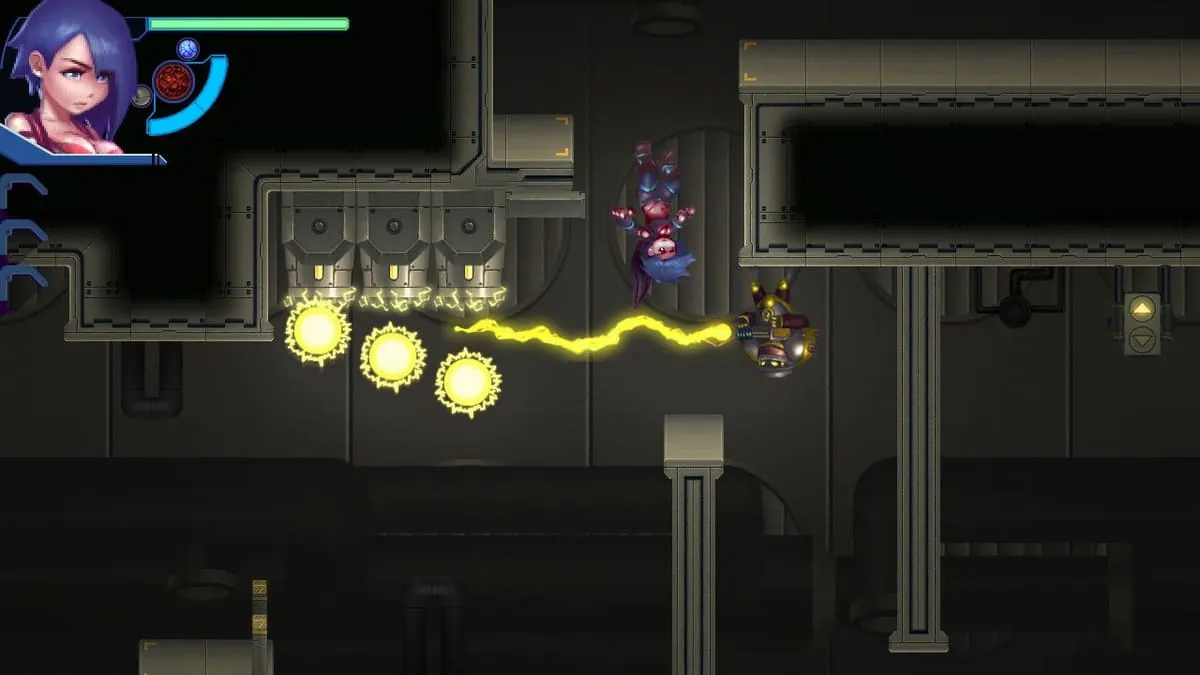
Cybernetic Seduction Screenshots


























Cybernetic Seduction review
An in-depth look at mechanics, story paths, and player strategies for Cybernetic Seduction
Cybernetic Seduction is a choice-driven futuristic visual novel that blends narrative, strategy, and adult-oriented content into a single-player experience, and this article examines the game from a player’s perspective. In this post I share hands-on impressions, concrete play strategies, route breakdowns, and practical tips to help you get the most from Cybernetic Seduction while preserving the story beats and branching outcomes. Whether you’re aiming for specific endings, achievement completion, or simply a richer narrative experience, this guide will walk you through what mattered in my play sessions and what to watch for as you play.
Overview: What Cybernetic Seduction Is and Why It Works
You’ve probably seen the name pop up in your Steam recommendations or heard whispers in indie game circles. A sleek, stylish visual novel with a name that promises intrigue: Cybernetic Seduction. Maybe you’ve scrolled past, wondering what it’s really about. Is it just another dating sim with a chrome coat of paint? 🤖
Let me be clear: it is so much more. This game overview will pull back the curtain on one of the most engaging and cleverly designed choice-driven experiences to hit PC in recent memory. If you love stories where your decisions truly matter, where espionage meets emotional manipulation, and where every playthrough can tell a radically different tale, then you’ve found your next obsession.
What the game is (premise and tone)
Welcome to Nexus-7, a sprawling, rain-slicked metropolis of the near future. Technology has woven itself into the very fabric of life and love. Here, you are not a hero saving the world. You are a professional agent for a shadowy firm, and your mission is precision social engineering. Your targets? Influential individuals with advanced cybernetic enhancements. Your weapon? Not a gun, but information, charm, and calculated choices. Your objective is to infiltrate their lives, earn their trust, and ultimately, manipulate them to your client’s advantage. It’s a choice-driven narrative where every conversation is a puzzle and every relationship is a battlefield.
The tone of Cybernetic Seduction is its secret weapon. It masterfully blends high-stakes espionage thriller with sharp, often dark humor and mature, character-driven drama. One moment you’re sweating over a dialogue option that could blow your cover, the next you’re chuckling at your handler’s dry commentary. The game isn’t afraid to explore complex themes of identity, consent, and the ethics of technology in relationships, but it does so with a deft touch, prioritizing story over shock value. It feels like a premium TV series where you’re the director, writer, and star. 🎬
Core systems and player goals
At its heart, Cybernetic Seduction is built on a foundation of robust visual novel mechanics that elevate it beyond simple branching text. Understanding these systems is key to mastering the game and unlocking its many secrets. Your primary interface is your agent’s digital tablet, which houses everything you need to execute the perfect operation.
Your main goals revolve around preparing for and executing “engagements” with your target. This isn’t just about picking the right chat-up line; it’s a multi-layered process:
- Scouting & Preparation: Before each encounter, you review dossiers, social media feeds, and surveillance logs. This phase is crucial. Learning that your target loves classical music or has a fear of abandoned data hubs gives you the ammo to tailor your approach. 🎯
- The Choice-Driven Narrative: Every interaction is built on meaningful choices. These go beyond “Nice/Sarcastic/Romantic.” You’ll decide on strategic lies, choose when to reveal fabricated vulnerabilities, and pick which pieces of gathered intel to leverage. The game brilliantly tracks your consistency—slipping up on a detail you previously invented can have serious consequences.
- Relationship & Suspicion Meters: Two key metrics guide your progress. A Relationship meter tracks emotional connection and trust, while a Suspicion meter gauges how close your target is to uncovering your deception. Your choices directly impact these, creating a constant, thrilling tension. Sometimes, raising suspicion is a necessary risk to deepen the relationship in a specific way.
- Heist-Style Planning: For major story beats, the game shifts to a planning interface reminiscent of a caper film. You allocate resources, choose which angles to approach a problem from, and set contingencies based on the intel you’ve gathered. Success here feels earned and incredibly satisfying.
- Branching Paths & Endings: This is where Cybernetic Seduction truly shines. Early, seemingly minor choices can lock or unlock entire story routes, character revelations, and endings. The game boasts a complex web of narrative branches. Are you aiming for a “perfect” manipulation where the target never suspects a thing? A tragic fallout? Or something in between? The path is yours to forge.
- Achievement & Codex Tracking: For completionists, the game offers a detailed log of unlocked story branches, endings, and character lore. It actively encourages replay by showing you the roads not taken.
To give you a clearer picture of how these systems work together, here’s a breakdown of the core gameplay loop:
| Phase | Player Action | Core Mechanics Used | Goal |
|---|---|---|---|
| Intel Gathering | Reviewing target profiles, logs, and environmental clues on the prep menu. | Scouting/Preparation, Codex | Discover key traits, fears, and desires to inform future choices. |
| Direct Engagement | Making dialogue and action choices during story scenes. | Choice-Driven Narrative, Relationship/Suspicion Meters | Advance the plot, alter relationship dynamics, and avoid detection. |
| Strategic Planning | Allocating resources and choosing approaches for major operations. | Heist Planning, Branching Paths | Successfully navigate high-stakes narrative turning points. |
| Review & Replay | Checking achieved endings and locked story nodes. | Achievement Tracking, Branching Paths | Plan a new playthrough to explore alternative narrative outcomes. |
The complete first season of this experience is available now on PC via Season 1 Steam. It’s a paid, premium indie visual novel, offering a substantial amount of content for its price, with no microtransactions—just a full, engrossing story waiting to be shaped.
Why players are drawn to it (appeal and community)
So, what’s the hook? Why are players dedicating hours to multiple playthroughs of this particular choice-driven narrative? The appeal is multi-faceted.
First, there’s the powerful sense of agency and consequence. In many narrative games, choices can feel cosmetic. In Cybernetic Seduction, they feel architectural. You are building the story, brick by brick, and a wobbly choice can make the whole structure tilt. This leads to phenomenal replay value. Knowing that a conversation in Episode 2 can open a door in Episode 5 is a compelling reason to start a new game immediately after the credits roll.
Second, the characters are written with remarkable depth. They aren’t just checkpoints on a seduction map; they are complex individuals with their own histories, traumas, and desires. Manipulating them feels weighty, which makes those moments of genuine connection—planned or accidental—all the more impactful.
I’ll never forget my first major “oh no” moment. Early on, I had to choose how my agent reacted to a target’s story about a past failure. I went with a cold, professional analysis, thinking it would establish my expertise. Big mistake. That single choice didn’t just lower the relationship meter; it fundamentally altered the target’s demeanor. They became distant and competitive, locking me out of an entire vulnerable, confessional story branch I didn’t even know existed. It was a brutal and brilliant lesson: this game listens to everything.
The community around the game is actively growing, dissecting every clue and sharing wildy different story outcomes. Forums and guides are filled with players comparing their unique routes, offering strategies for specific endings, and piecing together the deeper lore of Nexus-7. The positive player feedback stems from this shared excitement over a game that respects the player’s intelligence and rewards deep engagement. 📈
In summary, Cybernetic Seduction works because it perfectly marries a compelling premise with sophisticated, interactive systems. Diving into its world without understanding its visual novel mechanics is like navigating a city without a map—you might stumble upon something interesting, but you’ll miss the grandeur of the planned tour. Taking the time upfront to grasp how your choices cascade, how preparation dictates possibility, and how the meters reflect the narrative landscape doesn’t just make you a better player; it transforms you from a passive reader into a master storyteller. Your mission, should you choose to accept it, is not just to see one ending, but to understand the beautiful, complex machine that creates all of them. Your journey through Nexus-7 awaits.
This article has walked through Cybernetic Seduction’s core systems: its narrative premise, branching structure, mechanical systems, presentation quality, and practical strategies for efficient play and route discovery. My personal play experiences—including decisions that redirected major routes and a replay where disciplined saving unlocked alternate endings faster—illustrate how attentive preparation and community resources boost enjoyment. If you’re approaching the game for the first time, use the preparation checklist, take notes at decision points, and experiment with different scouting choices across multiple saves; that approach made my playthroughs more rewarding and will help you discover the game’s range of outcomes. Try one focused run to learn the mechanics, then plan targeted replays to chase specific endings and achievements.