
Deviant Anomalies
Play Deviant Anomalies
Deviant Anomalies Screenshots
























Deviant Anomalies review
Master every quest, case, and character interaction in this narrative-driven adventure
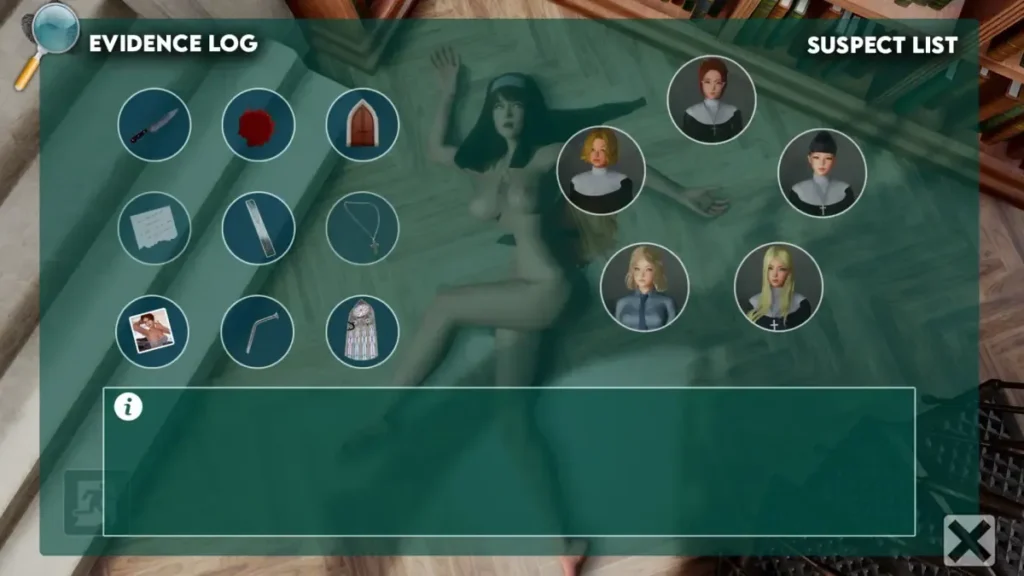
Deviant Anomalies is a complex narrative-driven game that challenges players to navigate intricate character relationships, solve mysterious cases, and complete character-specific quests. Whether you’re stuck on a particular case like the 7-11 investigation or the Spear of Longinus mystery, or struggling to recruit specific characters, this comprehensive guide covers everything you need to know. From trait selection at the start to mastering the endgame content, we’ll walk you through each major quest, explain the mechanics behind character interactions, and provide strategies to maximize your progression without getting stuck on resource management.
Getting Started: Character Creation and Early Game Essentials
So, you’ve just started Deviant Anomalies and you’re already staring at a screen full of traits, stats, and a wallet with barely enough cash for a cup of coffee. 😅 Welcome to the club! I remember my first playthrough vividly. I picked traits that sounded cool, blew my initial funds on the wrong things, and hit a progression wall before I’d even finished the second character quest. I was stuck, frustrated, and almost put the game down for good.
That’s why this Deviant Anomalies beginner guide exists. Let’s make sure that doesn’t happen to you. This chapter is your blueprint for a strong start, covering the foundational choices and strategies that will set you up for the entire narrative adventure. We’re going to dive deep into Deviant Anomalies trait selection, master Deviant Anomalies resource management, and navigate your opening moves with confidence. 🎮
Understanding Trait Selection and Its Impact
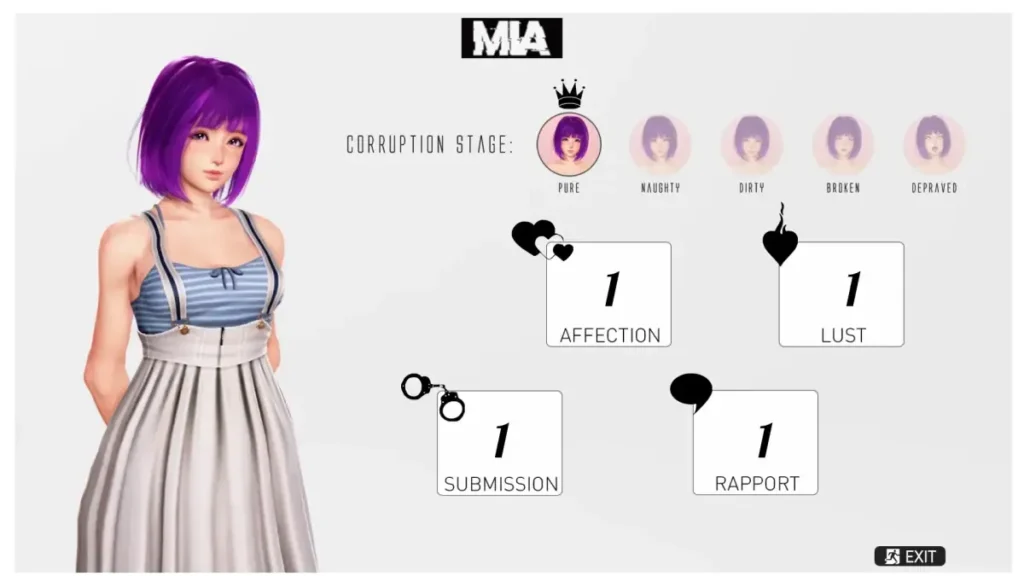
Your first major decision in how to start Deviant Anomalies is the Deviant Anomalies trait selection. This isn’t just cosmetic flavor text; these traits actively shape your dialogue options, unlock specific paths, and influence how you solve cases. Think of them as the genetic and experiential blueprint of your character.
The system can feel overwhelming, but here’s the golden rule: your traits should support your desired playstyle. Are you a charismatic negotiator who talks their way out of trouble? A sharp-eyed detective who notices every clue? Or perhaps a more… physically persuasive individual? Your choices here are the first step in that Deviant Anomalies character creation guide.
For your first playthrough, I strongly recommend a build that maximizes information gathering and social flexibility. Why? Because this is a story-rich game where knowledge is power, and missing key dialogue locks can leave you confused or unable to progress quests. On my disastrous first run, I chose traits that boosted physical stats, only to find myself unable to convince characters to give me crucial information, grinding the story to a halt.
Here’s a breakdown of some key trait categories and how they’ll serve you:
| Trait Category | Primary Effect | Recommended For |
|---|---|---|
| Social/Perceptive (e.g., Silver Tongued, Observant) | Unlocks extra dialogue, reveals hidden character thoughts, finds additional clues at scenes. | First-time players. Maximizes story content and prevents missing critical info. |
| Intellectual/Technical (e.g., Book Smart, Hacker) | Provides unique solutions to puzzles, allows bypassing certain obstacles via tech or knowledge checks. | Players who enjoy puzzle-solving and non-combat workarounds. |
| Physical/Combat (e.g., Brawler, Resilient) | Opens forceful dialogue options, essential for winning certain confrontations or chase sequences. | Subsequent playthroughs where you want to explore alternative, more aggressive paths. |
🔥 Personal Insight: Don’t try to be a jack-of-all-trades. The game rewards specialization, especially early on. Picking one “Awareness”-type trait and one “Social”-type trait (like “Observant” and “Silver Tongued”) will give you the widest lens to view the story through on your initial journey. This is the core of a smart Deviant Anomalies character creation guide.
Managing Resources in the Early Game
If Deviant Anomalies trait selection is your foundation, then Deviant Anomalies resource management is the engine that keeps you moving. And the primary resource? Cold, hard cash. 💵 You will need it for everything: progressing character quests (like buying items for friends), unlocking new areas, and sometimes even advancing main cases.
Early on, your wallet is terrifyingly empty. The game doesn’t explicitly tell you this, but your character’s PC in their room is your economic lifeline. This is the heart of Deviant Anomalies money grinding. You’ll take on simple digital cases—fixing software issues, tracing data leaks—that pay out a few hundred dollars each. It’s repetitive, but it’s your most reliable income source before the larger story cases start paying bigger rewards.
Here is your essential step-by-step resource grinding checklist for the opening hours:
- Complete the Tutorial Case: This gets you your first small cash injection and introduces the investigation mechanics.
- Grind 3-4 PC Cases Immediately: Before you even think about diving deep into social quests, spend your first in-game days doing PC work. Aim for an initial bank of $2,000-$3,000. This buffer is critical.
- Check the PC After Every Major Action: New, slightly higher-paying cases often appear after you complete a story beat or advance time.
- Prioritize Cash Over “Experience” Early: Some dialogue choices might give a minor stat bump instead of money. In the early game, take the cash.
- Don’t Splurge on Non-Essentials: That cool jacket in the shop can wait. Only spend on items directly required for an active character or main quest.
The most common Deviant Anomalies early game tips revolve around avoiding the resource bottleneck. The trap is simple: you start a character quest (like helping a friend), it asks you to buy something that costs $1,500, but you only have $800. You’re now stuck, unable to progress that relationship or the main story, which can sometimes feel gated behind social links. The solution? Grind first, then progress. 👷
Pro Tip: Set mini-goals. “I won’t start the 7-11 case investigation until I have $2,500 in the bank.” This discipline prevents frustration and lets you enjoy the story without constant financial anxiety.
Navigating Your First Cases
Now for the fun part: diving into the mysteries. Your early game will introduce you to two primary case types: the smaller, local 7-11 Case and the larger, more ominous Spear of Longinus Case. Balancing these with the character-driven sub-quests is the dance you must master.
The 7-11 Case is your first real test. It’s a contained mystery that teaches you to apply your traits—using “Observant” to spot a hidden clue on a security tape, or “Silver Tongued” to get a hesitant clerk to talk. Meanwhile, the Spear of Longinus Case is the overarching, slow-burn mystery that will drive the entire plot. You’ll work on it piece by piece over many in-game days.
The key to smooth progression is interleaving. Don’t blast through one case in a single sitting. A healthy loop looks like this:
1. Work on a main case objective until you hit a natural pause (e.g., “wait for lab results” or “come back at night”).
2. Check in with your character circle. See if anyone has a new quest available.
3. If a quest requires money you don’t have, do 1-2 PC cases to fund it.
4. Complete the character quest step, which often advances time, unlocking your next main case step.
5. Repeat.
This loop is the essence of practical Deviant Anomalies early game tips. It ensures you’re always moving multiple stories forward while maintaining your financial health. I learned this the hard way when I focused solely on the Spear of Longinus case for a week in-game, only to find my relationships had stagnated, locking me out of a crucial piece of support later on. 😬
When to Grind vs. When to Progress: Use character quest requirements as your trigger. Need $1,800 for a concert ticket to make progress with your best friend? That’s your signal to put the main mystery on hold and grind a few PC jobs. If your wallet is healthy and all active quests are in a “wait” state, that’s your cue to push the main story forward.
Finally, a word on getting stuck. Deviant Anomalies is complex, and sometimes, even with careful management, you might back yourself into a corner. The community has tools like save editors, which allow you to adjust your money or stats if a broken quest or a severe miscalculation is ruining your experience. While I advocate for playing organically first, there’s no shame in using these as a last resort to fix a save you’re invested in, rather than starting over completely. Think of it as a narrative safety net.
Prioritizing Quests: As a final piece of actionable advice, always prioritize quests that open up new areas or core mechanics. A quest that gives you access to a new location (like a downtown club or a corporate lab) is more valuable early on than one that simply deepens a backstory. More locations often mean new PC case tiers and new avenues for progression.
By nailing your Deviant Anomalies trait selection, respecting the Deviant Anomalies resource management cycle, and intelligently balancing your caseload, you’ll transform those first overwhelming hours into a powerful launchpad. You’ll be equipped to uncover the city’s secrets, nurture its relationships, and master every twist this narrative-driven adventure has to offer. Now, go load up that first save. Your journey is just beginning. 🕵️♂️✨
Deviant Anomalies offers a rich experience filled with interconnected cases, character-driven quests, and meaningful choices that shape your progression. By understanding the trait system, mastering resource management, and following our detailed case and character quest guides, you’ll navigate the game’s complexities with confidence. Whether you’re investigating mysterious cases, recruiting compelling characters, or balancing multiple questlines, this guide provides the strategies and solutions you need to experience everything the game has to offer. Take your time exploring each character’s story, make choices that resonate with your playstyle, and don’t hesitate to revisit earlier sections when you need clarification on specific mechanics or quest steps.