
Divine Dawn
Play Divine Dawn
Divine Dawn Screenshots







Divine Dawn review
A comprehensive guide to the turn-based RPG with engaging progression and character-driven narrative
Divine Dawn stands out as a well-crafted turn-based RPG that successfully balances multiple gameplay elements. With over 460,000 words of content offering 20-30 hours of gameplay, this title delivers engaging progression systems and compelling character interactions. Whether you’re interested in the intricate combat mechanics, the world-building, or the character-driven narrative, Divine Dawn provides a complete gaming experience. This guide explores what makes the game special, from its progression systems to its storytelling approach, helping you understand if it’s the right fit for your gaming preferences.
Gameplay Mechanics and Combat System
Ever been in a fight in a turn-based RPG where you just mindlessly click “Attack” over and over until the health bar is gone? 🙄 Yeah, me too. It’s the main reason I drifted away from the genre for a while—that hollow feeling where your choices don’t really matter, and victory is just a matter of having a bigger number than the enemy.
Then I played Divine Dawn. Let me tell you, my first major boss fight was a wake-up call. I had a classic “tank, healer, two damage dealers” setup, my usual go-to. I marched in, confident, and within three turns, my entire party was stunned, my healer was silenced, and the boss was buffing itself into a one-hit-kill machine. I got obliterated. 😅 But instead of frustration, I felt a spark of excitement. I had options; I just hadn’t been using them. This is the heart of Divine Dawn gameplay mechanics: a deep, tactical playground disguised as a beautiful fantasy RPG.
Turn-Based Combat Design and Strategy
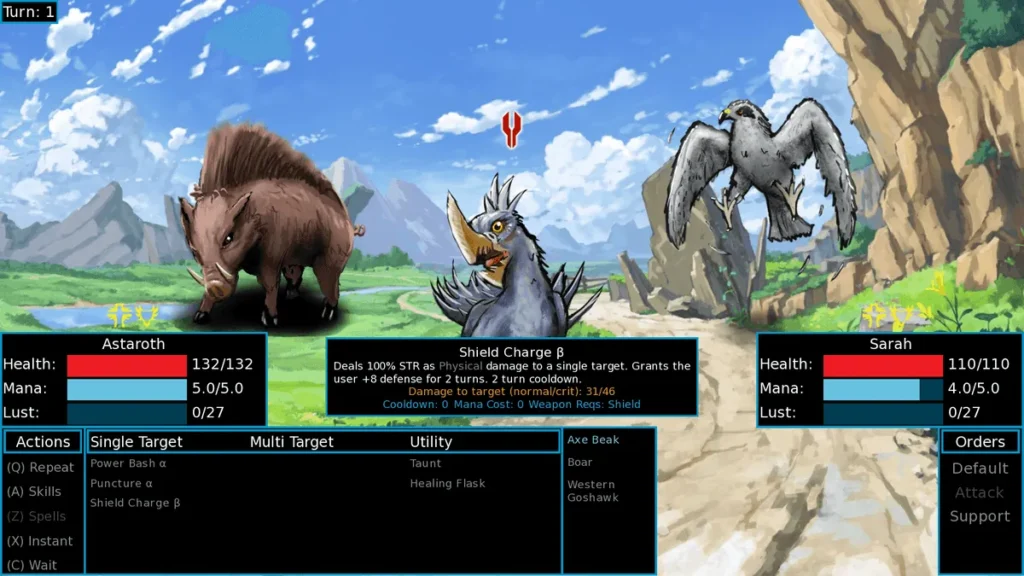
Forget everything you know about boring turn rotations. The Divine Dawn turn-based combat system is a brilliant dance of timing, positioning, and resource management. It’s not just about what you do, but when and to whom you do it.
The first layer of strategy comes from the Turn Order Timeline. This visible bar at the top of the screen doesn’t just show who goes next; it shows the next five turns. This is game-changing. You can see that the enemy spellcaster is two turns away from unleashing a devastating area attack. Do you use your rogue’s “Interrupt” skill now to push them back in the timeline, or do you spend this turn setting up a defensive barrier on your team? This simple bit of foresight transforms every decision from a guess into a calculated move. It encourages a proactive turn-based RPG strategy, where controlling the flow of battle is more important than raw damage.
Another cornerstone is the Synergy System. Abilities don’t exist in a vacuum. My favorite personal discovery was combining my Pyromancer’s “Scorched Earth” (which leaves a burning zone) with my Stormcaller’s “Gale Force.” Using the wind skill on the burning area didn’t just extinguish it—it transformed it into a rolling firestorm that damaged every enemy in its path. The game is filled with these organic, unscripted combinations. Experimenting with them is a huge part of the fun and is central to mastering Divine Dawn turn-based combat.
Positioning also matters more than you might think. Many skills have directional effects—cones, lines, or areas behind a target. I learned this the hard way when I clustered my party to benefit from a group heal, only to have an enemy cleave through all of them at once. 🪓 Now, I’m constantly micro-managing placement, using skills that pull enemies into clusters for my area attacks or scattering my team when I see a big cast coming.
Pro Tip: Don’t just look at an enemy’s health bar. Examine their buffs and the casting time of their skills on the timeline. Sometimes, dispelling a single damage-boosting buff is more valuable than dealing 200 points of damage yourself.
This system creates a wonderful tension. You’re not just managing health and mana pools; you’re managing the very fabric of the battle’s timeline. Every fight feels like a puzzle, and the victory that comes from outsmarting the system is infinitely more satisfying than just out-leveling it.
Character Progression and Stat Systems
If the combat is the “what,” then the RPG progression system is the “how.” And in Divine Dawn, this is where that “satisfying sense of self-improvement” truly shines. You’re not just watching numbers go up; you’re sculpting a hero.
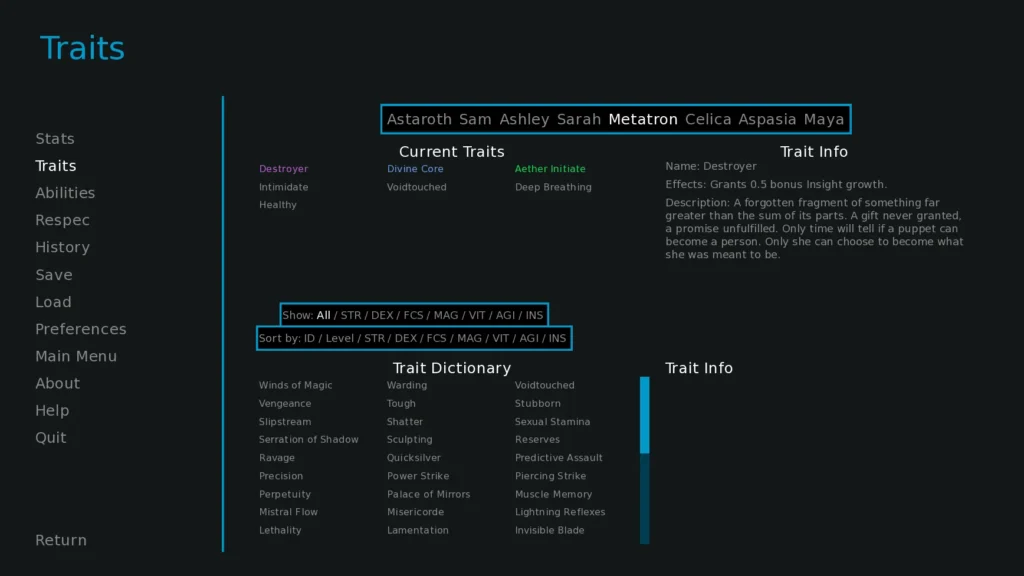
Let’s break down the character stat mechanics. You have your core stats: Might (physical damage), Finesse (accuracy & crit), Vigor (health & defense), Insight (magical power & resistance), and Spirit (mana pool & recovery). What’s brilliant is that none of these are dump stats. A pure warrior still benefits from a bit of Insight for magical resistance, and a mage might invest in Finesse to make their rare weapon attacks count. The game avoids pigeonholing, opening up hybrid builds that are actually viable.
The beauty is in the scaling. Early on, putting 5 points into Might might increase your damage by 10. Later, those same 5 points might only give you +4 damage. This diminishing return is a masterstroke of balance. It gently encourages you to start broadening your stat investment as you approach the max level, naturally creating more well-rounded characters without punishing specialization early. You always feel your power grow with each level, but the path of that growth is entirely in your hands.
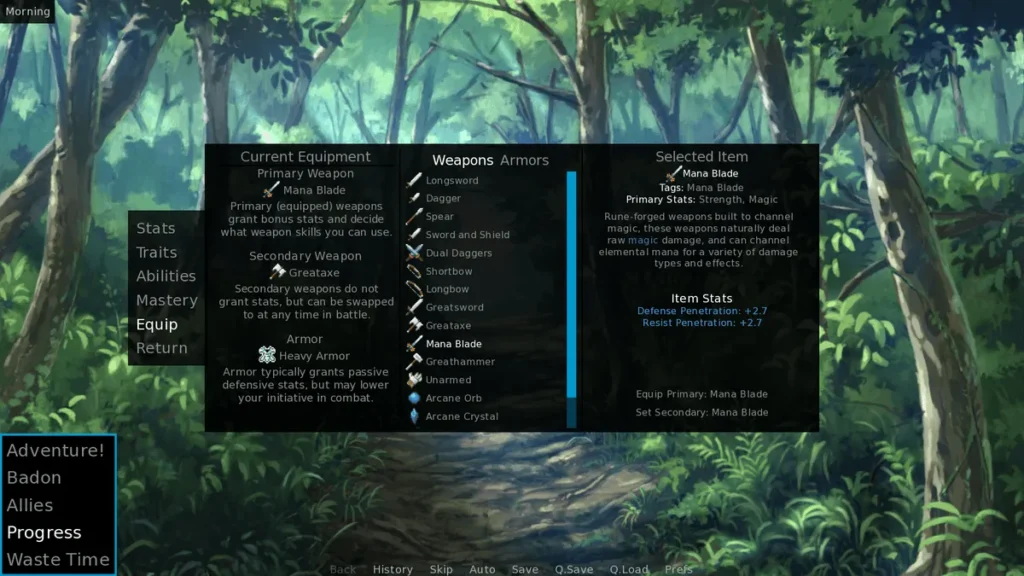
Beyond base stats, the character customization options are staggering. Each character has a primary class, but at key level milestones, you choose from one of two specializations. For example, your frontline Guardian can become an unkillable Fortress, taunting enemies and absorbing damage, or a Vanguard who sacrifices some defense for powerful counter-attacks and ally protection. I restarted a 10-hour save just to try a different specialization for my healer, and it completely changed my party’s dynamic!
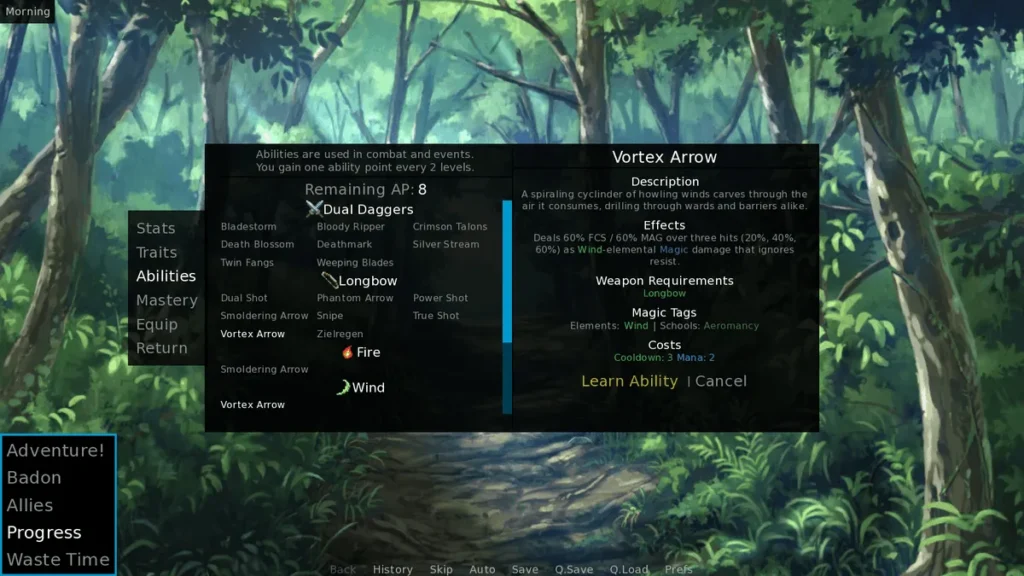
Then there’s the gear and mastery systems. Gear isn’t just stat sticks; they have set bonuses and unique effects that can fundamentally alter a skill. I found a pair of gloves that made my rogue’s poison ability also slow the target, which suddenly made her a key controller in my strategy. Masteries are passive skill trees you unlock separately, allowing you to further fine-tune your role, adding effects like life leech, cooldown reduction, or bonus effects on critical hits.
To visualize how these choices create distinct playstyles, here’s a comparison of common paths:
| Archetype | Primary Stat Focus | Specialization Example | Key Mastery & Gear Goal | Battle Role |
|---|---|---|---|---|
| The Spellblade | Might & Insight (Hybrid) | Arcane Knight | Gear that converts physical damage to elemental; Mastery for spell cooldown on melee hit. | Adaptable damage dealer who exploits elemental weaknesses. |
| The Unbreakable Wall | Vigor & Spirit | Fortress | Gear with “Thorns” damage; Mastery for healing based on max health. | Pure damage sponge who draws all aggression and out-lasts foes. |
| The Battlefield Conductor | Finesse & Spirit | Trickster | Gear that applies debuffs on crit; Mastery for reducing enemy turn meter. | Controller who manipulates turn order and sets up allies. |
This intricate web of stats, skills, gear, and masteries means your level 50 character isn’t just a “stronger” version of your level 10 character. They are a complex, custom-built engine for your specific turn-based RPG strategy. Every point spent, every item equipped, feels meaningful.
Magic Systems and Exploration
If character stats provide the foundation, then the magic systems are the dazzling, unpredictable fireworks show built on top. The magic system exploration in Divine Dawn is a core pleasure loop, rewarding curiosity and creative thinking at every turn.
Magic isn’t divided into simple schools like “Fire” and “Water.” Instead, it’s built around Elemental Affinities and Arcanic Weaving. Your characters have innate affinities (like being attuned to Flame or Stone), which make spells of that type cheaper and more potent. But the real magic—pun intended—happens when you start weaving.
You discover “Weave Stones” throughout the world and in dungeons. These aren’t just new spells; they are modular components. For instance, you might find a “Core Weave” for a projectile and a “Effect Weave” for Frost. Combine them, and you have an ice missile. But then you find a “Shape Weave” for a cone. Now you can create a cone of cold. Later, maybe you add an “Augment Weave” that causes a slow effect. You haven’t just learned four spells; you’ve crafted a unique, multi-faceted magical tool that perfectly fits your turn-based RPG strategy. 🪄
This system encourages constant tinkering. I spent a whole evening just in the sanctum, mixing and matching weaves I’d found in a volcanic dungeon. I combined a Flame Core with a Chain Shape and an Explosion Effect, creating a fireball that bounced between enemies before detonating. The joy of seeing a weird combination work—or fail spectacularly in a harmless test area—is a game in itself.
Exploration is directly tied to this power growth. You’re not just hunting for chests with gold; you’re hunting for knowledge and components. Hidden lore scrolls might hint at a powerful ancient weave locked in a distant shrine. A difficult puzzle in a sunken temple might reward you with a rare Augment Weave that lets your healing spells also cleanse debuffs. The world feels like a giant, interactive spellbook.
The balance here is impeccable. Powerful weaves often have long cooldowns or high spirit costs, preventing you from spamming them. You must build your party’s spirit pools and recovery rates into your strategy. It creates beautiful moments of choice: do I use my ultimate, battle-changing weave now, or do I hold it, managing the fight with basic skills, knowing a bigger threat might be coming?
This seamless integration is the hallmark of Divine Dawn gameplay mechanics. Your magic system exploration feeds directly into your character stat mechanics (as you build Spirit and Insight to support your new creations), which defines your approach to Divine Dawn turn-based combat. The progression is a loop of discovery, application, and mastery. You try a new weave in battle, see its effect on the timeline, adjust your gear and stats to support it, and then venture back out into the world to find the next piece of the puzzle.
It’s this synergy that makes Divine Dawn more than the sum of its parts. You aren’t just playing a game; you’re conducting an orchestra of stats, elements, and time, and every victory is a symphony you composed yourself. 🎻
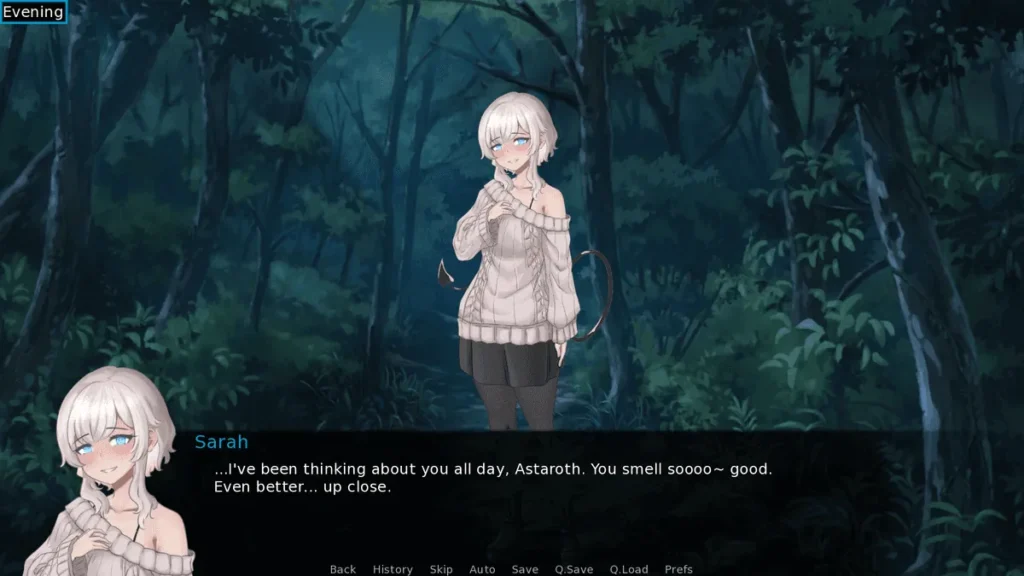
Divine Dawn delivers a compelling gaming experience that successfully combines multiple elements into a cohesive whole. The turn-based combat system provides strategic depth with satisfying progression mechanics, while the world-building and character design create an immersive narrative experience. With over 460,000 words of content spanning 20-30 hours of gameplay, the title offers substantial value for players seeking an engaging RPG. The game’s approach to storytelling, character relationships, and player agency creates an experience that resonates with those who appreciate well-crafted narratives alongside solid gameplay mechanics. Whether you’re drawn to the strategic combat, the character-driven story, or the extensive customization options, Divine Dawn presents a well-rounded gaming experience that continues to evolve through regular updates. For players seeking a turn-based RPG that prioritizes both gameplay depth and narrative quality, Divine Dawn stands as a noteworthy choice in the genre.