
Evermore
Play Evermore
Evermore Screenshots


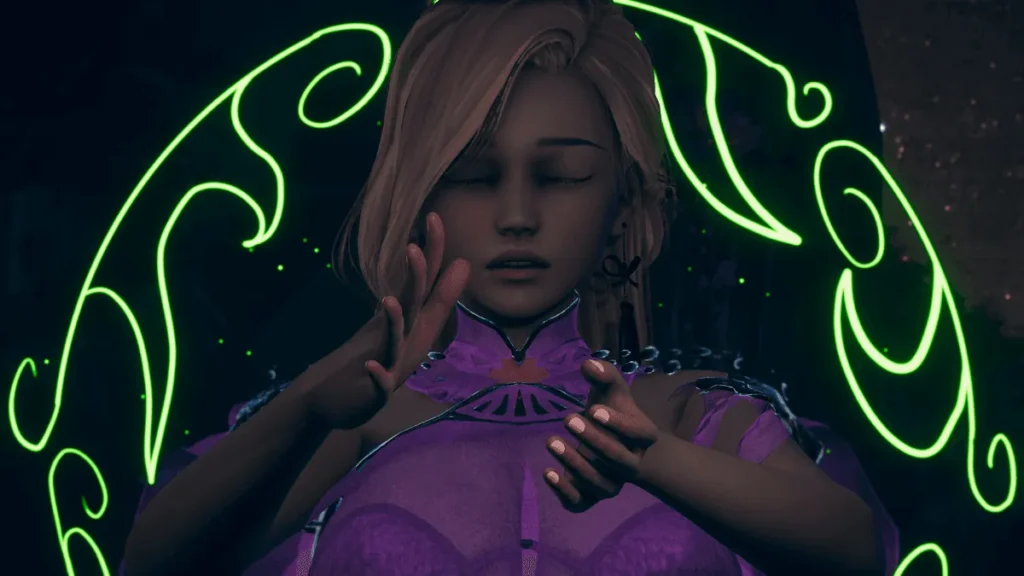






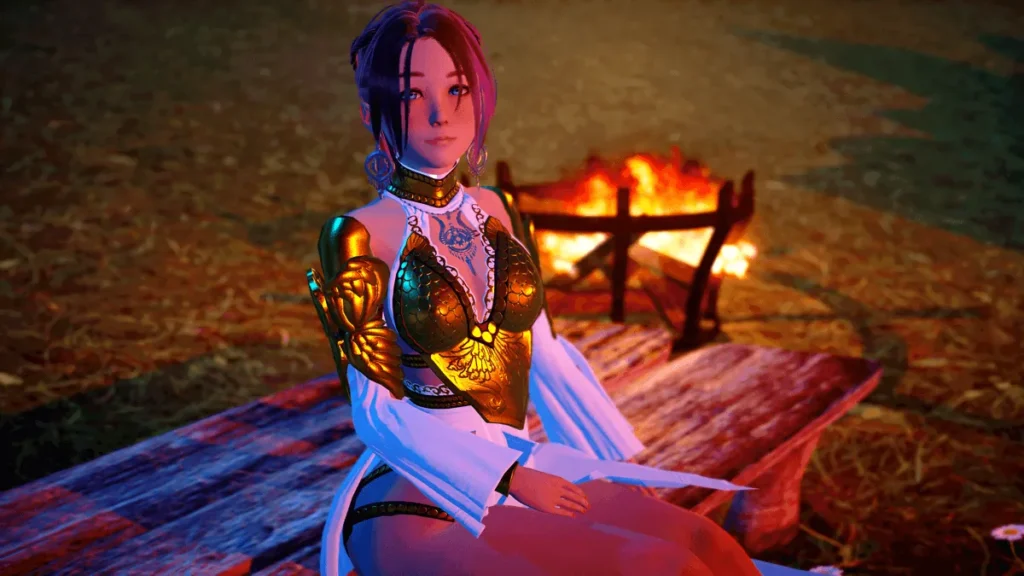



Evermore review
Master the choice-driven storytelling and complex character routes in this psychological visual novel
Evermore stands out as a sophisticated interactive narrative experience that challenges conventional storytelling through its intricate branching system and psychologically complex characters. This visual novel, currently at version 0.5.1, demands player engagement across multiple playthroughs to uncover the complete truth of its dark fantasy world. Whether you’re exploring the game for the first time or seeking to maximize your understanding of its layered narrative, this guide provides essential insights into how Evermore’s choice-driven mechanics shape your journey. The game’s reputation for meaningful consequences and character interdependence makes it essential to understand how your decisions ripple through interconnected story arcs.
Understanding Evermore’s Choice-Driven Narrative System
So, you’ve played visual novels where the “choices” are basically just “Be Nice” or “Be Mean,” and the story chugs along the same track regardless. You start to wonder, what’s the point? 🤔 If that sounds familiar, prepare to have your expectations completely rewritten. Evermore isn’t just another story you click through; it’s a psychological labyrinth where every whisper, every glance, and every decision you make fractures the narrative into a thousand possible truths. The key to navigating it? Mastering its unparalleled Evermore choice system.
This isn’t about picking a pre-written dialogue flavor. It’s about defining your character’s core approach to a world of secrets and lies. The game’s genius lies in how it ties together three intricate systems: the moment-to-moment Intent Wheel mechanics, the grand, unfolding puzzle of character route order Evermore, and the silent, simmering affinity thresholds gameplay. Forget about simply getting a “good” or “bad” ending. Here, you’re uncovering pieces of a mystery, and the order in which you find them changes the entire picture. Let’s break down how you can move from being a passive reader to the active architect of your own haunting tale.
How the Intent Wheel Shapes Your Story Path
Forget dialogue boxes with three vague options. Evermore grounds its interactive storytelling in a brilliant, deceptively simple tool: the Intent Wheel. Imagine every critical conversation as a mini-battlefield of psychology. When the wheel appears, time slows. Ringing the center are four core intents: Charm, Coerce, Subdue, and Threaten. This is the heart of the Evermore choice system.
Here’s where it gets fascinating. These aren’t just “say something nice” or “say something scary” buttons. Each intent represents a fundamental philosophy of interaction. Choosing Charm might involve using wit, flattery, or emotional appeal to lower defenses. Coerce leverages logic, guilt, or social pressure. Subdue aims to de-escalate and soothe, while Threaten applies overt pressure or intimidation. The outcome isn’t just about whether you “succeed” or “fail” in the moment—it’s about how you succeed, and the long-term choice consequences that method sows.
I learned this the hard way with Kai, the sharp-tongued informant. Early on, he was withholding a crucial clue. My first instinct was to Threaten—to remind him he needed my help. It worked! He coughed up the information. I felt clever… until later in his route. That moment of intimidation had festered. He viewed every subsequent cooperation as a transaction under duress, locking me out of vulnerable, confessional scenes that were essential to understanding his motives. The clue was the same, but the path to get it poisoned the well. In a replay, using Charm (playing to his pride as an information broker) got me the same clue and opened the door to a much more genuine, revealing partnership.
The Intent Wheel mechanics ensure that conflict resolution is never binary. You might reach the same narrative checkpoint via multiple intents, but the emotional baggage, character trust, and future options available to you will be profoundly different. It’s a masterclass in narrative branching visual novel design, where the means are just as important as the ends.
To visualize how these choices ripple outward, here’s a breakdown of a typical scenario:
| Intent Choice | Immediate Narrative Outcome | Long-Term Relationship Impact |
|---|---|---|
| Charm | Gain information through flattery or building rapport. May unlock a unique, lighter-hearted scene. | Builds trust and familiarity. Can unlock more personal, intimate dialogue branches later, but may be seen as manipulative if overused. |
| Coerce | Force compliance through logic, bargaining, or social obligation. Efficient but cold. | Establishes a dynamic of negotiated exchanges. Respect may increase, but genuine affection decreases. Can lock out emotional confessions. |
| Subdue | Calm a volatile situation, offering comfort or a peaceful exit. | Signals empathy and safety. Crucial for repairing fractured relationships and accessing a character’s more wounded, sensitive side. |
| Threaten | Obey through fear, intimidation, or leveraging power. Fastest way to get what you want. | Creates deep-seated resentment and fear. May force short-term compliance but almost always burns bridges, permanently closing off routes and key evidence. |
Route Interdependence and the Importance of Sequential Playthroughs
This is arguably Evermore’s most daring and essential design choice: the story is a puzzle, and the pieces are hidden across different character routes. You cannot get the full truth in one go. The recommended character route order Evermore (Elara → Kai → Mira → Silas) isn’t a suggestion—it’s the curated path to comprehension. 🧩
Each route is a lens focused on one fragment of the central mystery. Elara’s path, often the first played, introduces the world and the surface-level conflict. It feels complete on its own… until you play Kai’s route and see the same events from the shadows, revealing the manipulations and hidden agendas Elara was oblivious to. Information you uncover in Kai’s route—a whispered name, a hidden document—becomes a critical tool you can remember and use in Mira’s route. The game doesn’t hold your hand here; it expects you to connect the dots yourself.
Skipping a route isn’t just missing a “side story.” It’s like reading every other chapter of a detective novel. You’ll hit moments in later routes where characters reference pivotal events or share knowledge that you, the player, are expected to already possess. If you don’t, the emotional weight and narrative significance fall completely flat. I made the mistake of trying Silas’s route second, intrigued by his enigmatic aura. Big mistake! His story is built on a foundation of revelations from the prior arcs. Without that context, his motivations seemed random and his ending was utterly incomprehensible—a confusing mess instead of the devastating, payoff-heavy climax it was designed to be.
This narrative branching visual novel structure rewards dedication. The “State of the World” calendar, which shows quests evolving and expiring as in-game days pass, further emphasizes this. An opportunity you miss in Elara’s route might create a tangible consequence visible in Kai’s timeline. This creates an incredible sense of a living, persistent world and makes subsequent playthroughs feel vital, not repetitive. You’re not replaying; you’re investigating from a new angle with new tools. Understanding this route lock-and-key system is fundamental to learning how to unlock Evermore endings, especially the deepest true ending.
Affinity Thresholds and Hidden Narrative Consequences
Beneath the surface of every conversation lies the silent, numerical heartbeat of your relationships: affinity. But Evermore’s affinity thresholds gameplay is brilliantly opaque. There’s no love meter filling up in the corner. 🫀 Instead, you must become a psychological detective, reading subtle cues.
A character’s affinity is a series of invisible gates. Reach a certain threshold, and a private scene at the old lighthouse unlocks. Fall just a point short, and that scene is replaced with a mundane, “I’m busy” brush-off. The most important thresholds are the ones that gatekeep entire endings. Crucially, affinity isn’t just gained by always agreeing. Sometimes, choice consequences are counterintuitive.
A major interactive storytelling lesson the game teaches is that passive agreement can signal apathy, while respectful conflict can show you care enough to engage. For example, constantly siding with Mira on every minor point might make her think you’re just a yes-person. But respectfully challenging her flawed plan (using Coerce with logic, not Threaten) demonstrates investment in her well-being and can yield a bigger affinity boost. The game tracks your consistency. Does your “Charm” intent feel genuine, or is it a switch you flip? Characters sense dissonance.
Pro Tip: Watch for dialogue shifts and character moods. If a character who usually engages in banter starts giving you short, clipped answers, you’ve likely fractured the relationship. A previously available location might now be “locked.” This is your signal that you’ve dipped below a crucial affinity threshold and need to course-correct through future intents or actions.
Let’s look at a concrete gameplay example of these silent systems at work. In Act II, you discover Elara and Kai are at odds over a piece of evidence.
-
Scenario A: You side decisively with Kai.
- Immediate Effect: Elara’s mood plummets. She leaves the scene early.
- Evidence Discovery: Kai, grateful for your support, later gives you a private ledger you wouldn’t have found otherwise.
- Scene Access: This unlocks a late-night scene with Kai where he reveals a personal secret, boosting his affinity past a major threshold. However, Elara’s personal “heart-to-heart” scene the next day is now permanently locked.
-
Scenario B: You remain neutral, urging caution (Subdue intent).
- Immediate Effect: Both characters are frustrated with you, but neither feels betrayed.
- Evidence Discovery: You find a more neutral, public report that contains less detail than the ledger.
- Scene Access: You miss Kai’s secret scene, but you keep Elara’s heart-to-heart available. You also unlock a unique, tense group scene later where you must mediate between them, which can build affinity with both if handled well.
Both paths are valid and reveal different facets of the plot and characters. This is the essence of choice consequences interactive storytelling. There’s no “best” choice, only the choice that aligns with the story you’re weaving and the relationships you’re choosing to nurture—or sacrifice. 🕯️
This intricate dance is supported by a dynamic skill growth system. Using the Charm intent frequently makes your character more naturally charismatic, opening up new, more sophisticated charm options in future wheels. Specializing in a style makes you more effective at it, actively encouraging diverse playstyles across playthroughs.
Mastering Evermore means embracing its complexity. It’s about seeing the Intent Wheel not as a question but as a statement of identity. It’s about respecting the character route order as the deliberate unfolding of a masterpiece. And it’s about listening to the silence between words to sense the affinity thresholds that will make or break your bonds. When you sync with these systems, you stop playing a visual novel and start living inside a fragile, breathtaking world of your own making. Every ending you unlock isn’t just a finale—it’s a testament to the specific detective, friend, rival, or manipulator you chose to become. That is the profound power of Evermore’s choice-driven narrative.
Evermore represents a sophisticated approach to interactive storytelling that demands player investment across multiple playthroughs to fully appreciate its narrative complexity. By understanding the interconnected nature of its character routes, the psychological depth of its choice system, and the meaningful consequences embedded throughout its story arcs, you can navigate this dark fantasy world with greater confidence and appreciation. The game’s commitment to balancing mature themes with genuine narrative substance creates an experience that rewards careful attention to detail and strategic decision-making. Whether you’re drawn to its psychological complexity, its branching narrative structure, or its exploration of moral ambiguity, Evermore offers a uniquely immersive journey. Start with Elara’s route, track your relationships carefully, and prepare for a story that challenges conventional narrative expectations. Your choices matter—use them wisely to uncover the truth that Evermore has carefully hidden across its interconnected paths.