Fatal Countdown – immoral List of Desires Screenshots







Fatal Countdown – immoral List of Desires review
Master the survival mechanics, story branches, and gameplay systems in this dark visual novel experience
Fatal Countdown – immoral List of Desires is a unique blend of visual novel storytelling and survival simulation that challenges players to navigate a city transformed by chaos. Released on Steam in April 2024 by developer Secret Garden, this game combines narrative-driven gameplay with resource management and character interaction systems. Whether you’re new to the title or looking to unlock all endings and CG segments, this guide covers everything you need to know about gameplay mechanics, story progression, and strategic decision-making in this immersive experience.
Understanding Fatal Countdown – immoral List of Desires: Core Gameplay and Story
Ever downloaded a game expecting one thing and getting hit with something else entirely? 😲 That was me with Fatal Countdown – immoral List of Desires. I thought I was in for a dark, story-driven visual novel—which I got—but I wasn’t prepared for the gut-wrenching survival simulation layered on top. It completely redefined what a visual novel survival game mechanics experience could be. This isn’t just about clicking through dialogue; it’s about managing a crumbling sanctuary, your own sanity, and the lives of others in a world that’s already ended. If you’re looking for a passive story, look elsewhere. This apocalyptic story game demands your attention, your strategy, and your conscience.
Let’s dive into the heart of this intense experience and break down everything you need to master its unforgiving world.
What Makes This Game Unique: Survival Meets Visual Novel
Most visual novels are about the journey of the story, while most survival games are about resource management and action. Fatal Countdown – immoral List of Desires fuses these two worlds into a tense, coherent whole. The Fatal Countdown immoral List of Desires gameplay loop is a brilliant, stressful dance between narrative choice and logistical planning.
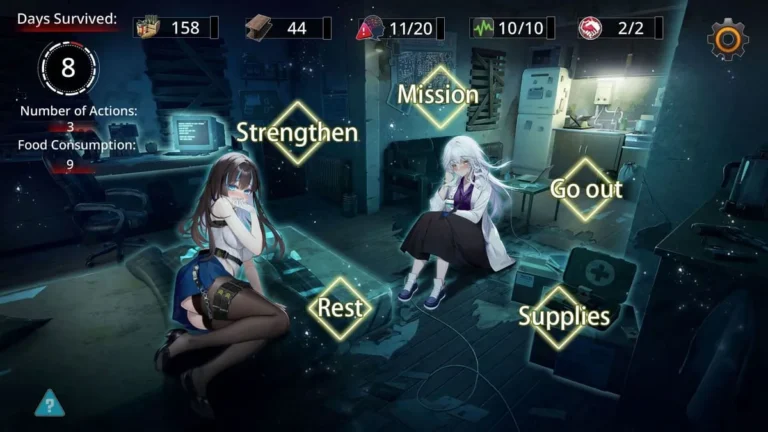
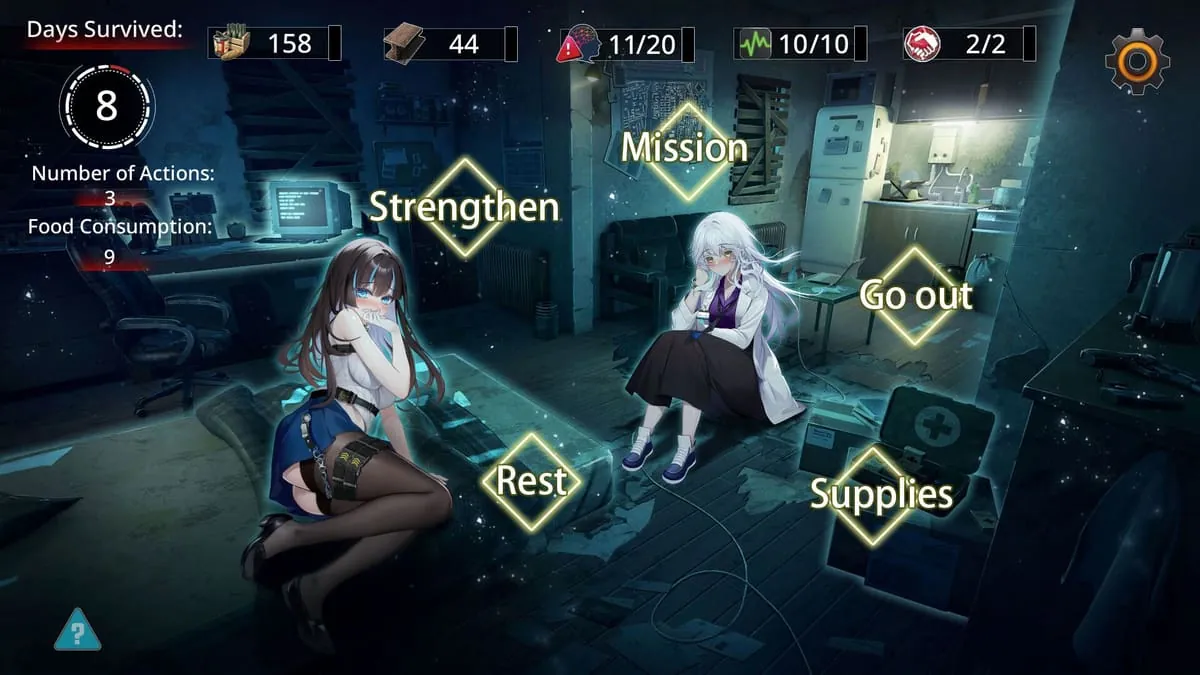
Think about it: one moment, you’re in a deep, branching conversation with another survivor, deciding whether to share your last can of food or hide it. Your choice here isn’t just about being “nice” or “selfish”—it directly alters that character’s Trust value and your own Morality. The next moment, you’re in a management screen, assigning people to guard duty, repairing broken walls, or scavenging for medicine. A failed scavenge run can mean an injured character, which then triggers a new story branch where you must decide how to treat them with limited supplies.
This is the core of its survival simulation game DNA. You’re not just reading about survival; you’re actively simulating it. The game classifies itself as “Casual, Simulation,” which feels almost ironic given the weight of the decisions. Sure, you can play at your own pace, and the excellent text-skipping function is a blessing for replays, but the consequences are always serious. This seamless blend is what makes the Fatal Countdown immoral List of Desires gameplay so memorable and addictive. You’re constantly engaged on two levels: the emotional, character-driven level of the visual novel, and the tactical, resource-driven level of the survival sim.
The Apocalyptic Setting and Story Premise
The stage for this desperate struggle is a masterclass in slow-burn horror. 💀 A mysterious, aggressive virus tears through your city. It’s not zombies, but something perhaps more terrifying: the rapid, complete collapse of social order. Law enforcement vanishes, infrastructure fails, and neighbor turns against neighbor in the scramble to live. You find yourself holed up in a makeshift asylum with a handful of other survivors. Your goal? Make it through the 31 day game progression.
This apocalyptic story game premise sets up a pressure cooker of human drama. Every new dawn on the calendar is both a blessing and a curse—you’ve survived another day, but resources are thinner, tensions are higher, and threats are closer. The story unfolds through stunning, high-quality full-motion CGs (over 100 of them!), which bring the desperation and occasional moments of fragile hope to vivid life.
The narrative brilliance lies in its character interaction system game. Each person in your asylum has their own fears, secrets, and moral compass. Your interactions with them—shaped by countless dialogue choices—determine their personal story arcs and their usefulness to the group. Will the cynical doctor share his medical knowledge if you act too altruistically? Can you motivate the fearful engineer to strengthen the defenses? The story isn’t a single path; it’s a web of interconnected relationships that you weave or sever with every word and action. This deep character interaction system game is the engine that drives the multiple endings visual novel aspect, ensuring no two playthroughs ever feel the same.
Key Gameplay Mechanics You Need to Master
To survive the 31 day game progression, you need to become a maestro of three interlocking systems: Asylum Defense, Psyche Management, and Value-Based Story Branching. Forget one, and your run will end in tragedy.
1. Asylum Defense & Resource Management:
Your base is under constant threat from desperate outsiders and the creeping chaos of the city. You must:
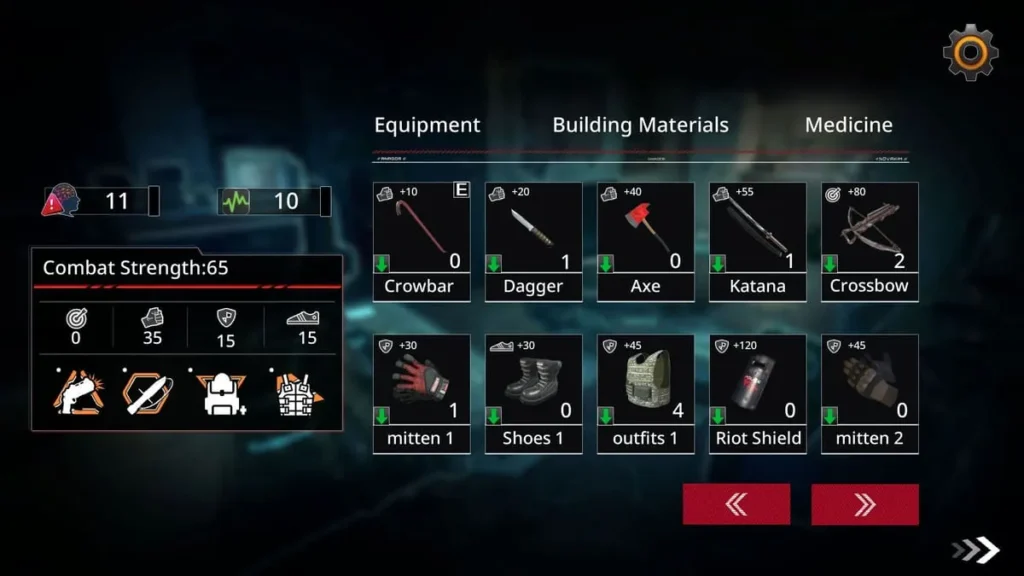
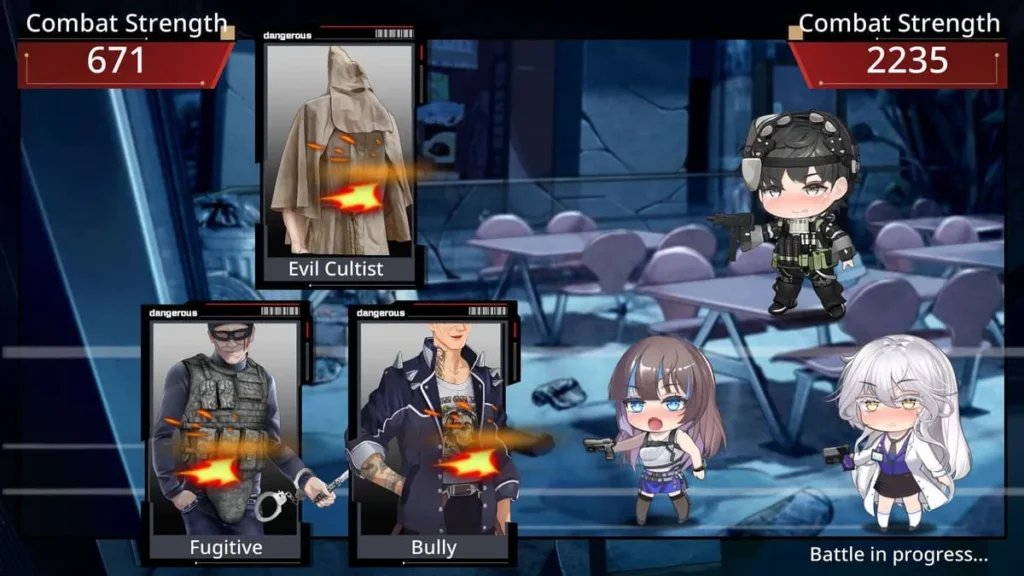
* Assign Tasks: Each character has stats (Combat, Scavenge, Technical, Medical). Wisely assign them to guard duty, scavenging runs, or facility maintenance. Sending a low-Combat character to guard duty is a recipe for disaster. 🛡️
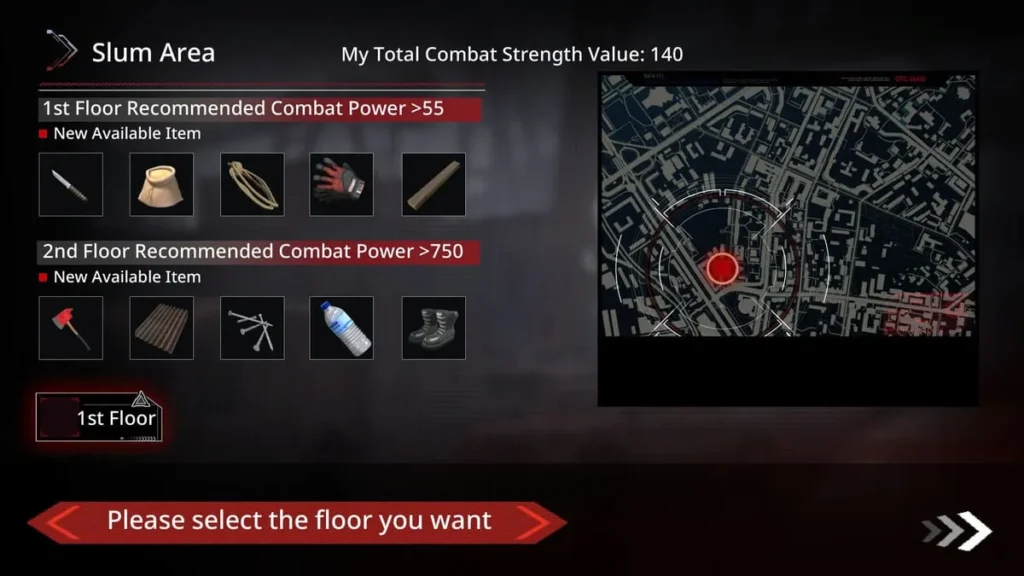
* Manage Supplies: Food, water, medicine, and materials are your lifelines. Scavenging missions are risky but essential. Do you send your best scavenger out for a big haul, risking their life, or play it safe?
* Fortify Your Home: Use gathered materials to board up windows, reinforce doors, and set up alarms. A strong defense means fewer night-time attacks and more rest for your survivors.
2. The Psyche Management System:
This is the game’s secret weapon. Every character, including your own, has a Psyche meter. Witnessing violence, going hungry, or losing a friend causes Stress to build.
Pro Tip: I learned the hard way that a character with broken Psyche can become a liability—refusing to work, starting fights, or even abandoning the group. Prioritize rest, comforting conversations, and scarce luxuries like books or music to keep everyone functional. It’s a survival simulation game challenge that deals in mental health, a brutally realistic touch.
3. Values & The Path to Endings:
This is where the visual novel survival game mechanics truly merge. Your choices build invisible “Value” scores that silently chart your course. The major ones are:
* Morality: Are you a selfless protector or a ruthless pragmatist?
* Trust: Do the others see you as a reliable leader?
* Individual Character Affection: Your personal bond with each survivor.
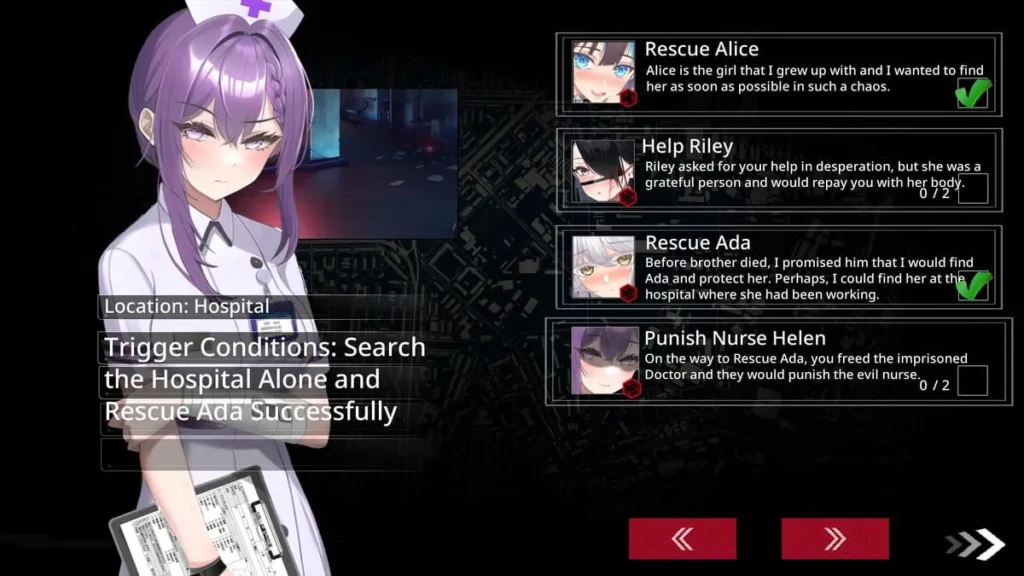
These values are the hidden keys to the multiple endings visual novel experience. The game doesn’t have a simple “good vs. bad” ending. You might achieve a ending where you escape with your closest ally, one where you build a lasting community, or one where you survive alone, hardened and isolated. Your 31 day game progression culminates in an ending that is a direct reflection of the leader you chose to become and the relationships you nurtured or sacrificed along the way.
| Mechanic | Gameplay Impact | Story Impact |
|---|---|---|
| Asylum Defense | Direct survival management. Prevents game-over from raids. | Determines which characters are safe, injured, or lost, opening or closing narrative branches. |
| Psyche (Stress) System | Affects character efficiency in tasks. Can lead to breakdowns if ignored. | Triggers unique character-specific scenes and confessionals, deepening their arcs. |
| Value System (Morality, Trust, etc.) | Unlocks or locks certain dialogue options and character requests. | The primary driver for the multiple endings visual novel structure. Decides final outcome. |
| 31-Day Calendar | Creates a constant time pressure for resource gathering and goal completion. | Forces narrative pacing. Major story beats are tied to specific days or time-sensitive choices. |
A Quick Note on Mature Themes & Accessibility:
Fatal Countdown doesn’t shy away from its dark setting. The content includes mature themes like violence, psychological distress, and moral ambiguity. It’s a game for a mature audience that wants a narrative without punches pulled. On the technical side, its availability in 7 languages and its thoughtful save/load system make this deep experience accessible to a wide audience looking for a serious survival simulation game.
Frequently Asked Questions
How many endings are there, and how do I unlock them?
The game features several core endings, with variations based on specific character survival and relationship states. They are unlocked purely through the hidden Value system (Morality, Trust, Affection) that you build over the 31 day game progression. There is no “choice” at the end; the final scene is a culmination of every major decision you’ve made. To see a different ending, you must make fundamentally different choices in a new playthrough, focusing on building different values.
I’m always running out of food or getting overrun! Any basic survival tips?
Absolutely! The early game is the toughest. Focus on these steps:
1. Scavenge Smart: Don’t just send anyone out. Match the character’s Scavenge stat to the mission difficulty. Start with safer areas first.
2. Balance Your Team: You need at least one good guard on duty at all times. Don’t send all your strong fighters out scavenging.
3. Don’t Hoard, But Plan: Use medicine early to prevent injuries from becoming critical. Save special items (like tools) for when you can use them for a permanent upgrade, like reinforcing a wall.
4. Talk to Everyone: Daily conversations aren’t just fluff. They can give hints about upcoming events or reveal a character’s hidden skills.
How important are the character interactions really? Can I just focus on survival stats?
You can try, but you will fail to reach many of the game’s richer conclusions. The character interaction system game is not secondary; it’s parallel. A character with high affection for you will perform better in tasks, share crucial information, and support you in group decisions. Ignoring relationships leads to a lonely, difficult, and ultimately shallow apocalyptic story game experience. The survivors are your most valuable resource.
Is there a “true” or “best” ending?
This is the beauty of its multiple endings visual novel design. The game refuses to label any ending as “true.” An ending where you save everyone through cooperation is valid. An ending where you become a hardened solo survivor is equally valid. The “best” ending is the one that feels most authentic to the choices you, as the player, found necessary in that horrific situation. It’s a profoundly personal conclusion to your Fatal Countdown immoral List of Desires gameplay journey.
Mastering Fatal Countdown – immoral List of Desires is about embracing its dual nature. You must be both a compassionate leader and a ruthless strategist, a reader of hearts and a manager of spreadsheets. Its visual novel survival game mechanics create a uniquely participatory form of storytelling, where the tension of a scavenge run is as gripping as a dramatic confession. By understanding its core systems—the asylum, the psyche, and the hidden values—you equip yourself not just to survive its 31 days, but to author a truly memorable and personal tale of what people become when everything falls apart. Now, step into the asylum. Your countdown has begun. ⏳
Fatal Countdown – immoral List of Desires stands out as a compelling experience that merges visual novel storytelling with meaningful survival mechanics. From navigating the apocalyptic city setting to managing relationships and resources over 31 days, the game offers substantial replay value through its multiple endings and extensive CG collection. Whether you’re pursuing the True Ending, unlocking all 100+ full-motion segments, or simply experiencing the narrative, understanding the core mechanics and strategic progression paths enhances your gameplay journey. The combination of character interaction systems, psyche management, and moral decision-making creates a unique experience that rewards both careful planning and emotional investment. Start your journey today and discover how your choices shape the story’s outcome.