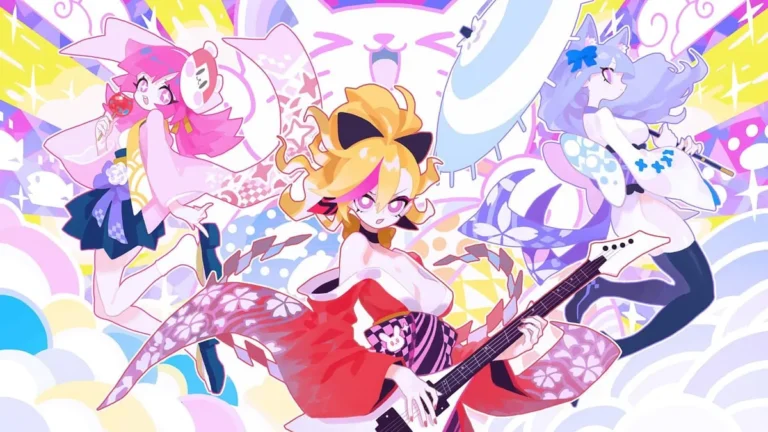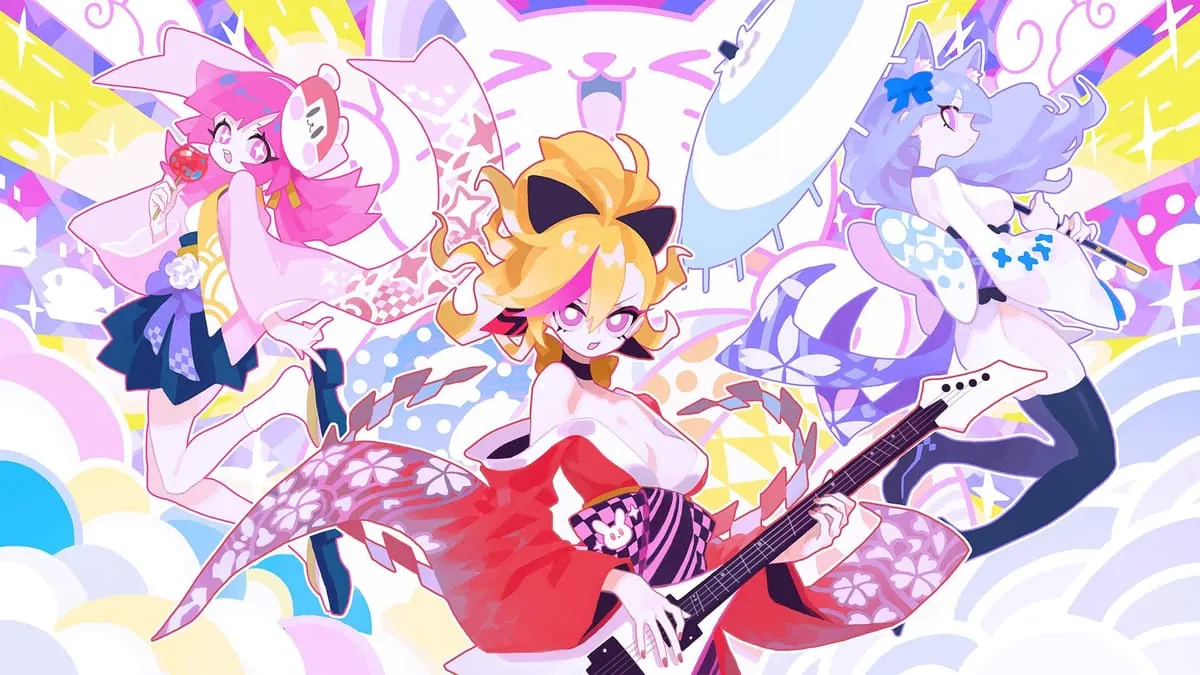
Muse Dash Screenshots
Muse Dash review
Master the beats, dash through levels, and unlock endless fun in this addictive music runner
Imagine dashing through vibrant worlds, syncing every jump and slash to pulsating tracks—that’s Muse Dash in a nutshell. This rhythm action gem from PeroPeroGames hooks you with simple two-button controls that pack a punch, letting you battle enemies and dodge obstacles in perfect harmony with the music. Whether you’re a rhythm game fan craving fresh challenges or just discovering this addictive runner, Muse Dash delivers non-stop excitement across easy to master difficulties. I’ve spent hours perfecting combos and unlocking characters, and let me tell you, that fever mode rush is unbeatable. Dive in to learn how to dominate the charts and evolve your playstyle.
How to Master Muse Dash Gameplay Basics?
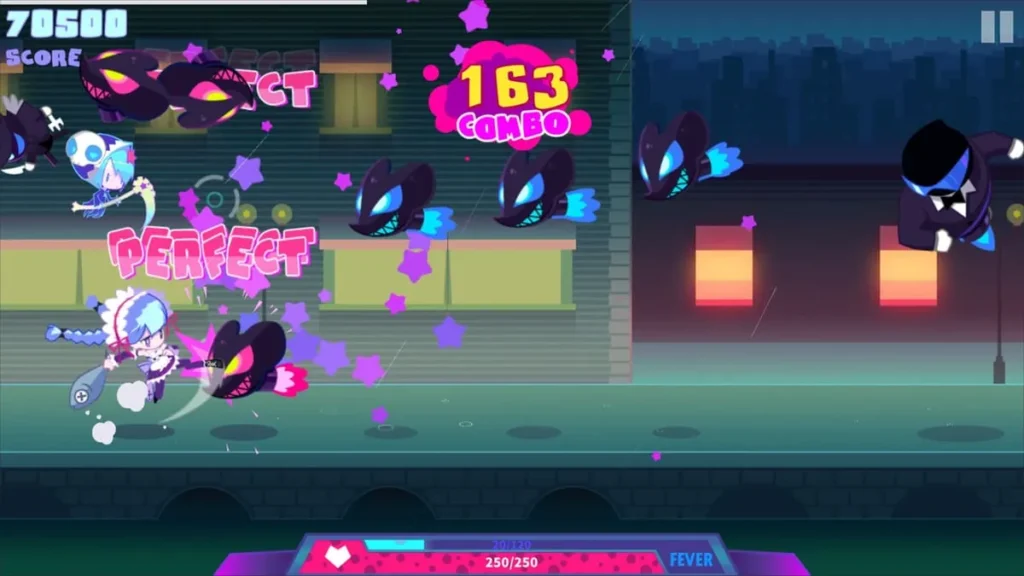
I remember my first run through a Muse Dash level all too well. 🎵 My fingers were a frantic, tangled mess, my character was taking hits left and right, and the screen was a confusing explosion of colors and symbols. I thought, “How can something with just two main buttons feel so chaotic?” But then, something clicked. That moment of pure flow, where my taps synced perfectly with the music and I weaved through a storm of notes untouched—that’s the magic this game captures. If you’re starting out, that initial overwhelm is totally normal. Let’s break down exactly how to play Muse Dash and transform that chaos into rhythmic mastery.
The beauty of the core Muse Dash gameplay loop is its deceptive simplicity. You automatically run; your job is to clear the path.
What Makes Muse Dash Controls So Intuitive?
At its heart, the Muse Dash controls are elegantly simple. You have two primary actions: one for the ground and one for the air. Typically, you’ll use one button (like the D-pad right or the ‘X’ key) to hit enemies on the top lane, and another (like the D-pad left or the ‘Z’ key) for enemies on the bottom lane. 🎮
Think of it this way:
* A ground attack handles enemies and obstacles on your level.
* A jump attack handles everything above you.
The game brilliantly color-codes threats for you:
* Blue/Purple notes and enemies require the ground attack button.
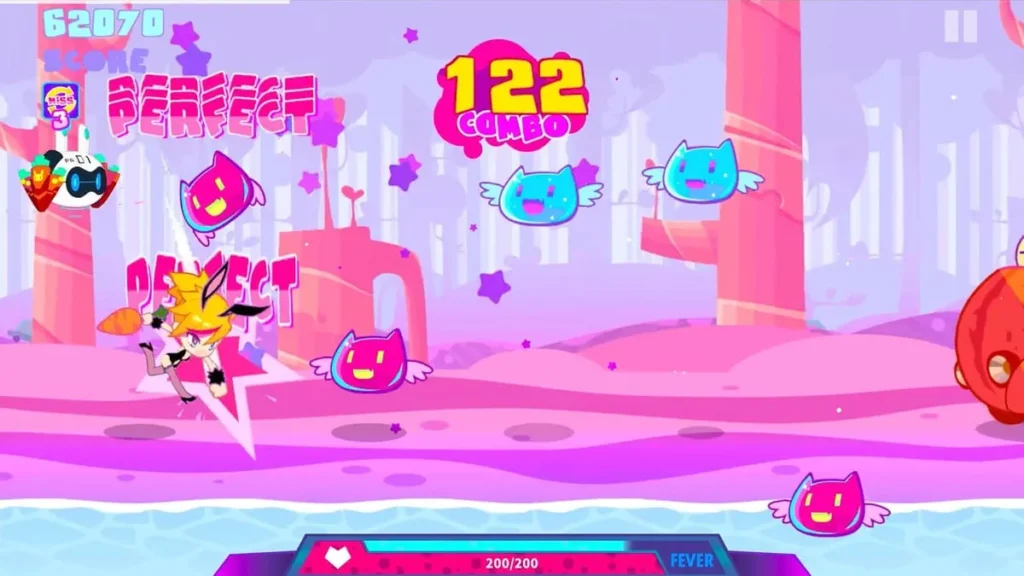
* Pink notes and enemies require the jump attack button.
This visual coding is your best friend. Instead of memorizing button positions, you train your brain to see “blue = thumb down, pink = thumb up.” On the Nintendo Switch, you also have the option to use touch screen controls, which can feel very direct and fun, especially in handheld mode. The key is to find which control scheme—buttons or touch—feels most natural for your rhythm.
Pro Tip: Don’t just tap! Some enemies, like the spiked shells, require you to hold the button down as you pass over them. Others, like the ghosts, need a rapid double-press. Keep your eyes peeled for these special tells!
Mastering these Muse Dash controls is the first step to enjoying the vibrant, energetic Muse Dash gameplay. It turns from random pressing into a deliberate, rhythmic dance.
Navigating Enemies and Obstacles Like a Pro
Now that you know which button to press, the next part of how to play Muse Dash is learning when to press it. Your character runs on their own in a cool, auto-running parkour style. Your only job is to interact with everything coming your way. Missing an enemy or hitting an obstacle (like a spike wall or a low ceiling) will deplete your health. Run out of health, and your run is over! ❤️🔥
This is where the game’s brilliant Muse Dash difficulties come into play. You don’t just choose a song; you choose your challenge level:
| Difficulty | Enemy & Note Density | XP Gain | Unlock Requirements |
|---|---|---|---|
| Easy | Low. Perfect for learning a song’s melody and basic patterns. | Base XP | Always available. |
| Hard | High. The standard, thrilling challenge with complex rhythms. | Increased XP | Always available. |
| Master | Extreme. A brutal test of memory, speed, and precision. | Highest XP | Achieve an S-rank on the Hard difficulty of that song. |
My personal journey was a classic case study: I started on Easy, just trying to survive. Then I moved to Hard, where I truly learned to read the “road ahead.” The most important skill you can develop is not looking directly at your character, but focusing farther down the lane. This gives you precious milliseconds more to react to what’s coming. After weeks of practice, I finally S-ranked my favorite song on Hard and unlocked Master. The first attempt was a humbling disaster! But by then, I understood the patterns, and after dedicated practice, that eventual S-rank on Master was one of my sweetest gaming victories. 🏆
Building Combos and Triggering Fever Mode
Here’s where the Muse Dash gameplay transforms from simple reaction to strategic scoring. Two intertwined systems govern this: the Muse Dash combo system and Muse Dash Fever Mode.
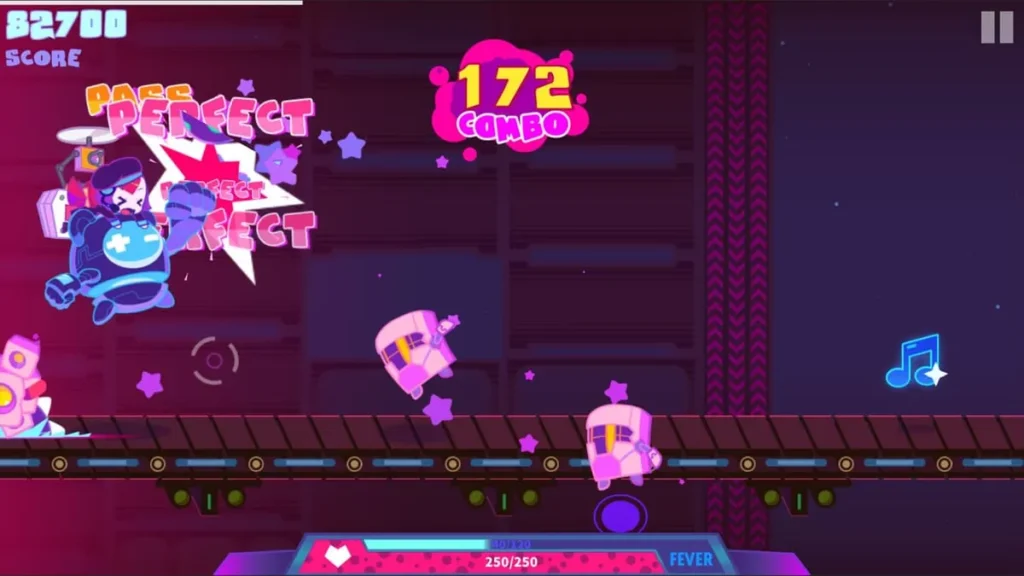
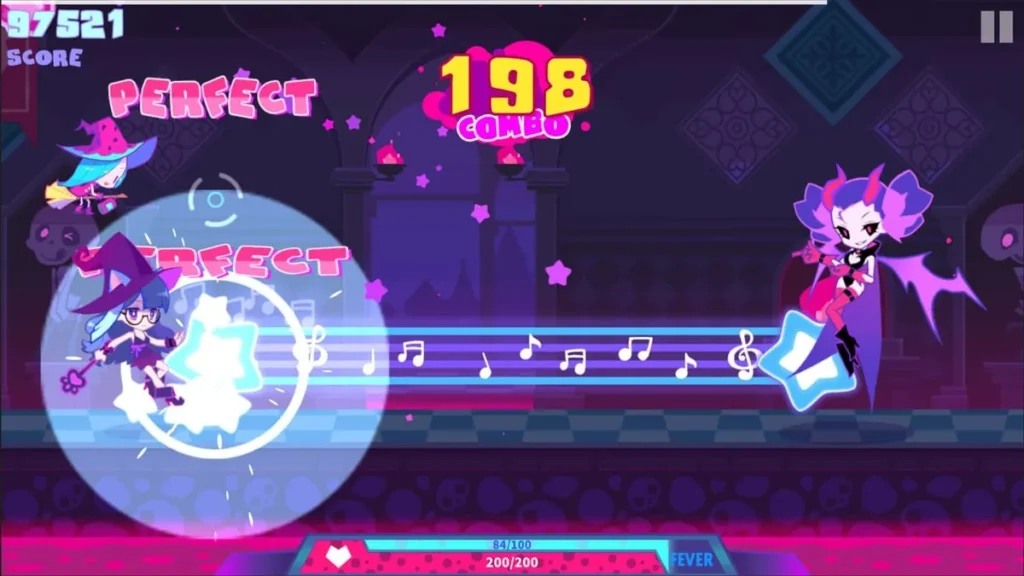
The combo system is straightforward but punishing. Every enemy you hit or note you collect increases your combo counter. Miss a single note or get hit? Your combo resets to zero. Maintaining a high combo is crucial for achieving that coveted S-rank or higher on a level. It’s also the primary way you fill up your Fever Gauge, that colorful bar at the bottom of the screen.
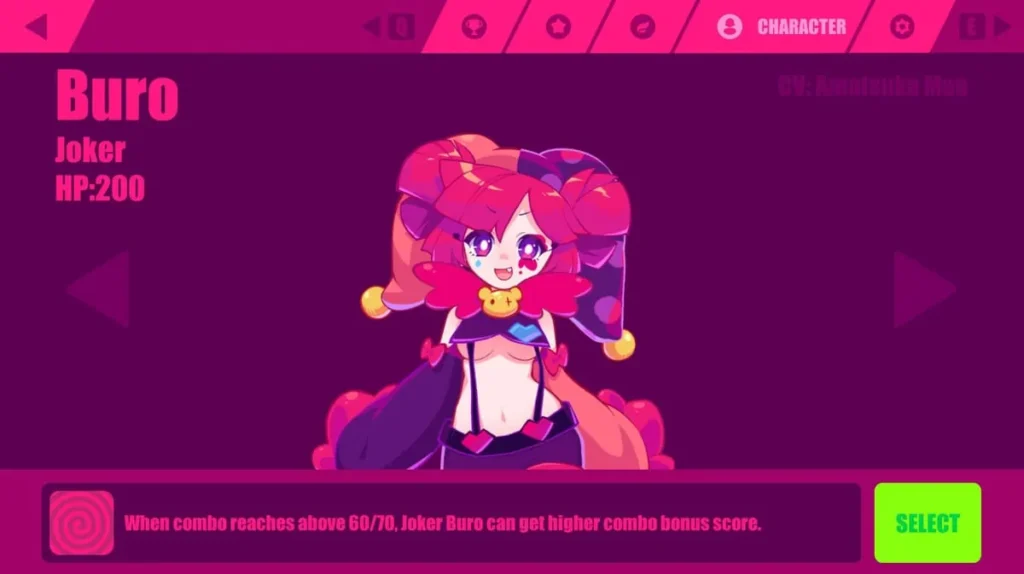
When you fill the Fever Gauge by building your combo… magic happens! Activating Fever Mode isn’t just a flashy visual effect; it provides a powerful, character-specific bonus for a short time. For example, using Buro in her schoolgirl outfit grants temporary invincibility during Fever, letting you plow through obstacles without harm! Other characters might boost your score multiplier or change how you attack. Learning which character’s Fever effect best suits your playstyle or a particular song’s pattern is a key advanced tactic.
Remember, everything you do in a run earns you XP, which levels up your player profile. This unlocks new songs, characters, and cute little “Elfins” (trinkets) that provide passive benefits, adding another layer of progression to the Muse Dash gameplay.
So, why does this simple two-button system create such deep, addictive Muse Dash gameplay? Because it removes all barriers between you and the music. 🎧 You’re not managing complex inputs; you are directly translating the beat into action. The depth comes from mastery—from memorizing complex patterns, optimizing your path for higher combos, and strategically triggering Fever Mode to survive a brutal section. It’s a game that’s easy to pick up, but challenging to truly master, and that’s the secret to its endless fun.
Muse Dash Basics FAQ
Can I use touch controls in Muse Dash?
Yes! On supported platforms like the Nintendo Switch, the touch screen is fully functional and can be a very intuitive way to play.
How do I unlock Master difficulty?
Master difficulty for a specific song is unlocked by achieving a grade of S-rank or higher on its Hard difficulty version.
What happens if I miss a note?
Missing a note or taking damage will break your current combo and reduce your health. If your health reaches zero, the run ends.
Does Fever Mode work the same for every character?
No! This is a fantastic part of the strategy. Each character, and often their different outfits, provides a unique effect during Fever Mode, such as invincibility or a score boost.
Muse Dash captures the thrill of rhythm and action in a package that’s easy to pick up but tough to master, from intuitive controls to fever-inducing combos. My journey from fumbling first runs to chaining perfect scores showed me how its evolving challenges keep you coming back for more songs, characters, and highs. Whether tweaking your muse for score boosts or invincibility bursts, every session builds your skills. Grab your device, queue up those tracks, and dash into the music—your next personal best awaits. Share your top scores in the comments and let’s compare fever moments!