
Onhold A Shot in the Dark
Play Onhold A Shot in the Dark
Onhold A Shot in the Dark Screenshots



















Onhold A Shot in the Dark review
Master every achievement, choice, and storyline in this interactive narrative experience
A Shot in the Dark stands out as a choice-driven interactive narrative experience that combines engaging storytelling with multiple branching paths. Whether you’re looking to unlock every achievement, discover hidden scenes, or understand the game’s mechanics, this guide provides everything you need to maximize your gameplay experience. The game features extensive content including thousands of words, numerous animations, and multiple character routes that respond to your decisions. Understanding how choices impact your journey is essential for experiencing all the game has to offer.
Understanding A Shot in the Dark: Game Mechanics and Features
Ever downloaded a game expecting a grand, branching adventure, only to find your choices are about as meaningful as picking a sandwich? You click the “sarcastic” option, and the character gives a mild chuckle before the story marches rigidly on, same as always. I’ve been there, and honestly, it leaves you feeling more like a spectator than a participant. 🎭
What if a game truly listened? What if every conversation felt like a genuine crossroad, where your words could build a friendship, spark a rivalry, or even alter the very fabric of the tale? This isn’t a hypothetical. It’s the core promise of A Shot in the Dark gameplay mechanics. This title throws out the illusion of choice and delivers a narrative experience where your voice is the most powerful tool in the story. Let’s dive into what makes this interactive story game guide essential for anyone ready to move beyond passive storytelling.
What Makes This Game Unique
So, what’s the secret sauce? At its heart, this is a choice-driven narrative game that refuses to hold your hand with moral binaries. You won’t see “Good Karma +5” or “Evoy Points -10” popping up on screen. Instead, the game trusts you—and its own robust systems—to let the consequences of your dialogue options impact the world organically. The feedback isn’t in a points bar; it’s in a character’s lingering glance, a shifted piece of future dialogue, or an entirely new scene unlocking because of a trust you built three chapters ago.
But it’s not all serious, tense decision-making. One of the most delightful A Shot in the Dark features is its brilliant, self-aware sense of humor. The game expertly breaks the fourth wall, winking at you about the very nature of interactive fiction. Characters might comment on typical game tropes, or the narration might playfully acknowledge the weight of a decision you’re about to make. This tonal balance is masterful. It creates a world that feels alive and clever, preventing the story from ever becoming too heavy, while never undermining the genuine stakes of your branching storyline choices. It’s like the game is both your storyteller and your co-conspirator, sharing a joke about the journey you’re on together.
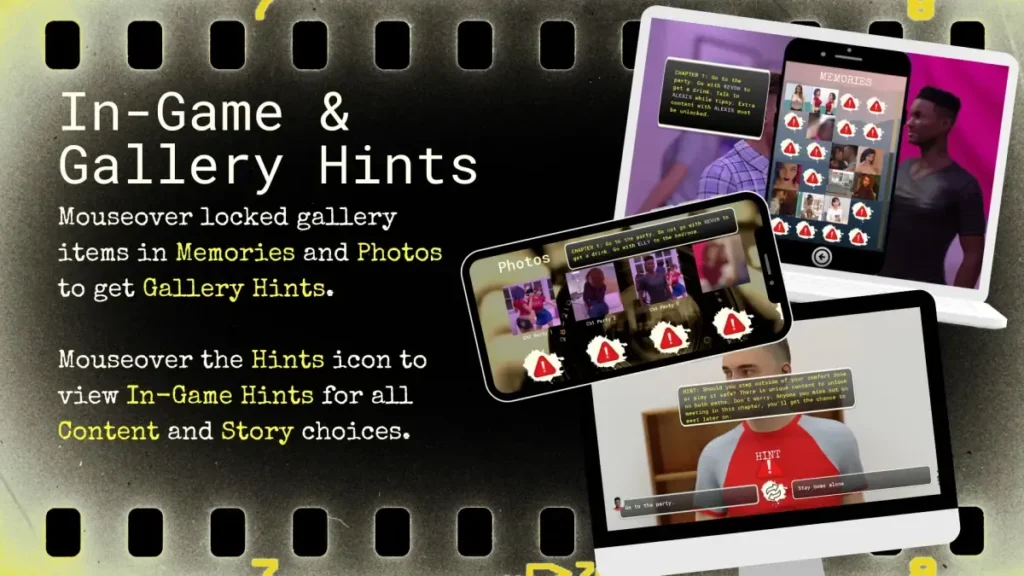
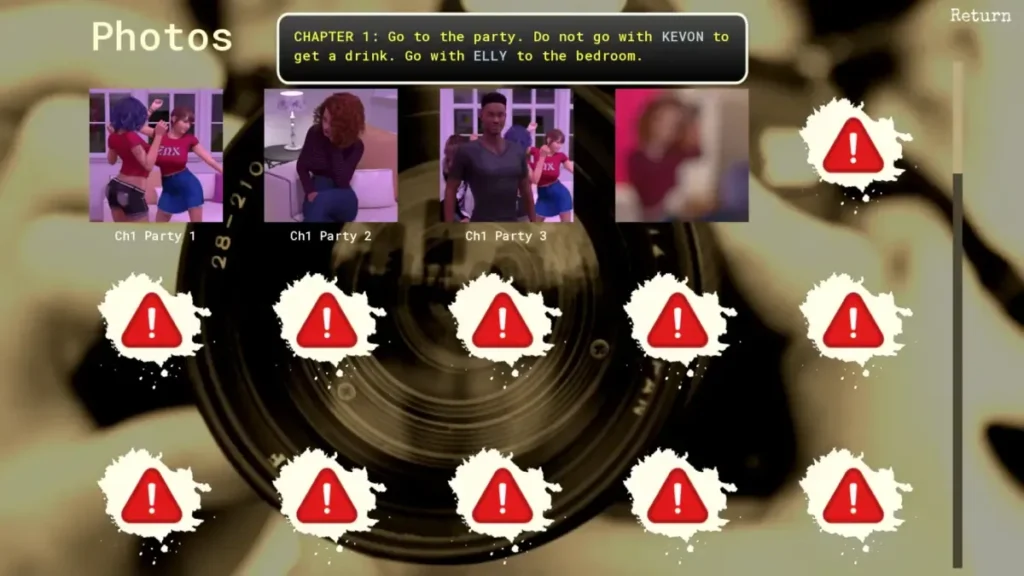
Another standout element is your protagonist’s camera. This isn’t just a cosmetic item; it’s a narrative device and a core part of the game character relationships. You’re encouraged to take pictures at key moments, and these photos become a personal gallery of your journey. They’re mementos of friendships formed, conflicts witnessed, and secrets discovered. I found myself carefully composing these shots, not for a game achievement, but because it felt like what my character would genuinely want to remember. This mechanic beautifully blurs the line between your perspective and the protagonist’s, making you an active documentarian of the story.
Core Gameplay Mechanics and Choice System
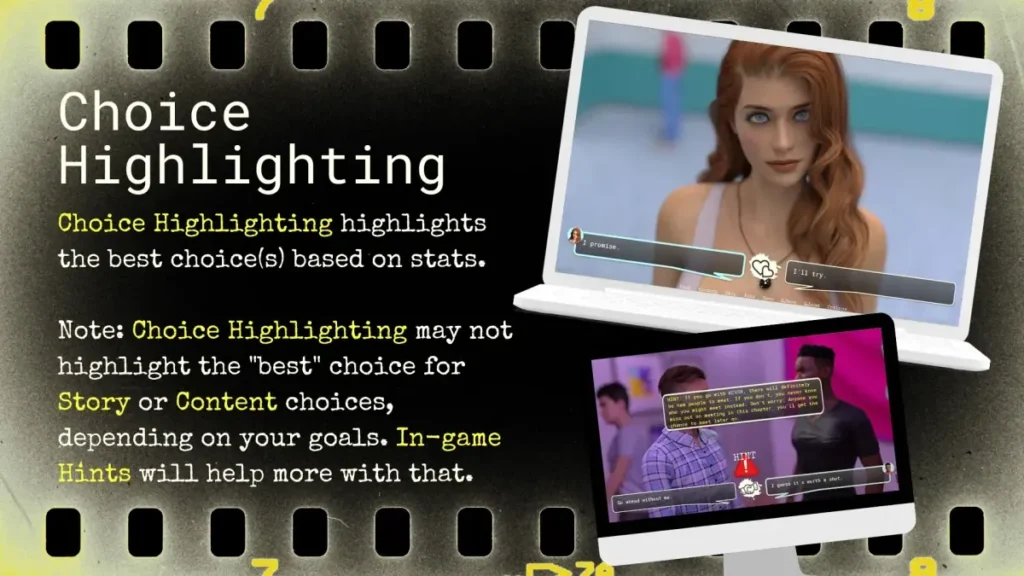
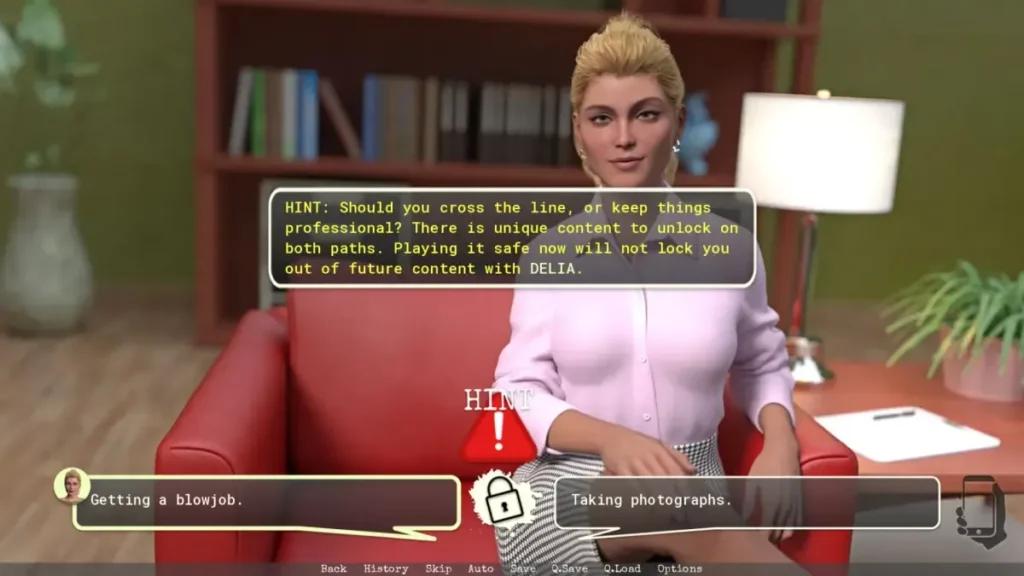
Let’s get practical. How does it all work? The A Shot in the Dark gameplay mechanics are elegantly simple on the surface but deceptively complex underneath. You navigate through beautifully illustrated scenes, engaging in conversations that form the backbone of the experience. When dialogue pops up, you’re typically presented with a few options. The magic is that these rarely feel like obvious “good, bad, neutral” picks. Instead, they reflect different personality facets: compassionate, pragmatic, cynical, flirtatious, or investigative.
Here’s a piece of actionable advice from my own playthrough: stop trying to “game” the system. The most rewarding way to experience this choice-driven narrative game is to role-play authentically. Pick the responses that feel true to how you, or your version of the character, would act in the moment. I once chose a seemingly harsh, pragmatic line during a tense negotiation, fully expecting to burn a bridge. To my surprise, it earned me a grudging respect from a character who valued strength, opening up a more direct, no-nonsense rapport with them later. The dialogue options impact is nuanced, affecting not just if characters like you, but how they relate to you.
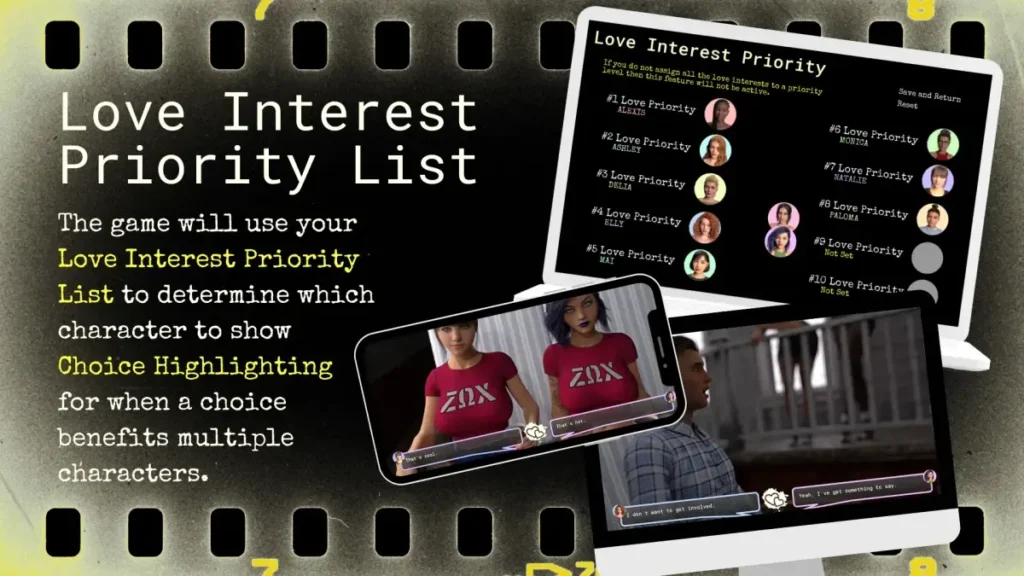
The system tracking your game character relationships is a masterpiece of subtlety. Relationships aren’t just a meter from “Stranger” to “Best Friend.” They are multidimensional. You might be “Trusted Allies” with someone but have a “Competitive” undercurrent. Another might find you “Charming” but “Unreliable.” This matrix of perceptions directly influences what characters will share with you, what help they’ll offer, and which story paths become available. It creates a stunningly realistic social simulation.
To visualize how these choices compound, consider this non-exhaustive example of a single story branch:
| Your Key Choice | Immediate Character Reaction | Long-Term Story Branch Unlocked |
|---|---|---|
| Share a vulnerable personal secret with Character A. | Character A opens up in return, deepening intimacy. | Later, Character A will confide a crucial plot detail to you, trusting you with a secret they tell no one else. |
| Keep your secret and instead pry into Character A’s past. | Character A becomes defensive, conversation turns formal. | The same plot detail remains hidden. You may have to discover it through riskier means, like stealing documents or eavesdropping. |
| Joke about the situation to deflect. | Character A laughs, appreciates the levity, but the moment passes. | Your relationship remains friendly but superficial. You maintain access to standard story beats but miss the deeper, secret-laden path. |
This level of cause-and-effect is what defines the branching storyline choices. It means that two players can have wildly different narratives, not just in the ending, but in the very journey they take to get there. The game becomes a personal story you’re authoring in real-time. It’s the ultimate interactive story game guide—not because it gives you the answers, but because it teaches you that your questions, and your answers, truly matter. 🗺️
Content Overview: Scenes, Animations, and Audio
You might be thinking, “A game about choices sounds great, but is there enough game there?” Let me put those fears to rest. The scope of content in this title is staggering, offering a depth that rivals many traditional narrative games. We’re not talking about a short visual novel here; we’re talking about a fully-realized interactive world.
Let’s break down the numbers that form the foundation of this experience:
| Content Type | Volume | What This Means for You |
|---|---|---|
| Written Narrative | 36,000+ Words | This is novel-length storytelling. It allows for deep character development, intricate plot twists, and extensive world-building that makes every choice feel consequential and explored. |
| Interactive Scenes | 24+ Scenes | Each scene is a distinct location and story beat, richly illustrated. From tense hideouts to peaceful moments of reflection, the variety keeps the visual and narrative experience constantly fresh. |
| Animation & Visual Effects | 28+ Animations | This isn’t a static slideshow. Subtle character animations, lighting effects, and scene transitions bring the world to life, adding emotional punch and immersion to key moments. |
| Original Audio Tracks | 39 Songs | A complete, dynamic soundtrack. Music shifts to match the tone—suspenseful, melancholic, hopeful, or triumphant—acting as an emotional guide and deeply enhancing the atmosphere of every single choice you make. |
🎵 These A Shot in the Dark features combine to create an incredibly polished sensory experience. The 39-song soundtrack deserves special praise. I often found myself pausing just to listen, as the music perfectly underscored the emotional weight of a conversation or the tension of a discovery. It’s a testament to how every element, from A Shot in the Dark gameplay mechanics to the audio design, is crafted to serve the story.
The character modeling and visual design are another highlight. The art style is distinct and evocative, with characters that are expressive and memorable. You can read a lifetime of experience on a character’s face, which makes navigating those game character relationships all the more compelling. When you choose a harsh dialogue option, seeing the genuine hurt or anger flash across their face is a powerful deterrent—or motivation, depending on your playstyle!
This vast library of content ensures that your branching storyline choices have real room to breathe and develop. A decision in Chapter 1 doesn’t just get a nod in Chapter 6; it can fundamentally reshape the scenes you see, the music you hear, and the animations that play out. It transforms the game from a simple story into a world that feels truly reactive. Your personalized interactive story game guide is written in the code of every alternative line of dialogue and every unlocked scene that another player might never see.
In the end, understanding A Shot in the Dark is about understanding that you are in control, but not omnipotent. Your choices weave a unique tapestry from a mountain of threads—36,000 words, 24 scenes, 28 animations, and 39 songs worth of threads, to be exact. It’s a game that respects your intelligence, rewards your emotional investment, and delivers a story that is, without question, your own. 🎯 Now that you know how it works, you’re ready to step into the dark and take your shot.
A Shot in the Dark delivers a rich interactive experience where your decisions genuinely shape the narrative and character relationships. By understanding the game’s mechanics, exploring all available dialogue options, and strategically using save points, you can unlock every achievement and experience all the unique storylines the game offers. Whether you’re pursuing a specific character route or aiming for complete achievement collection, this guide equips you with the knowledge to make the most of your gameplay. Take your time exploring different choices, enjoy the game’s humor and self-aware storytelling, and don’t hesitate to reload saves to discover alternative paths and outcomes.