Only a Dream
Play Only a Dream
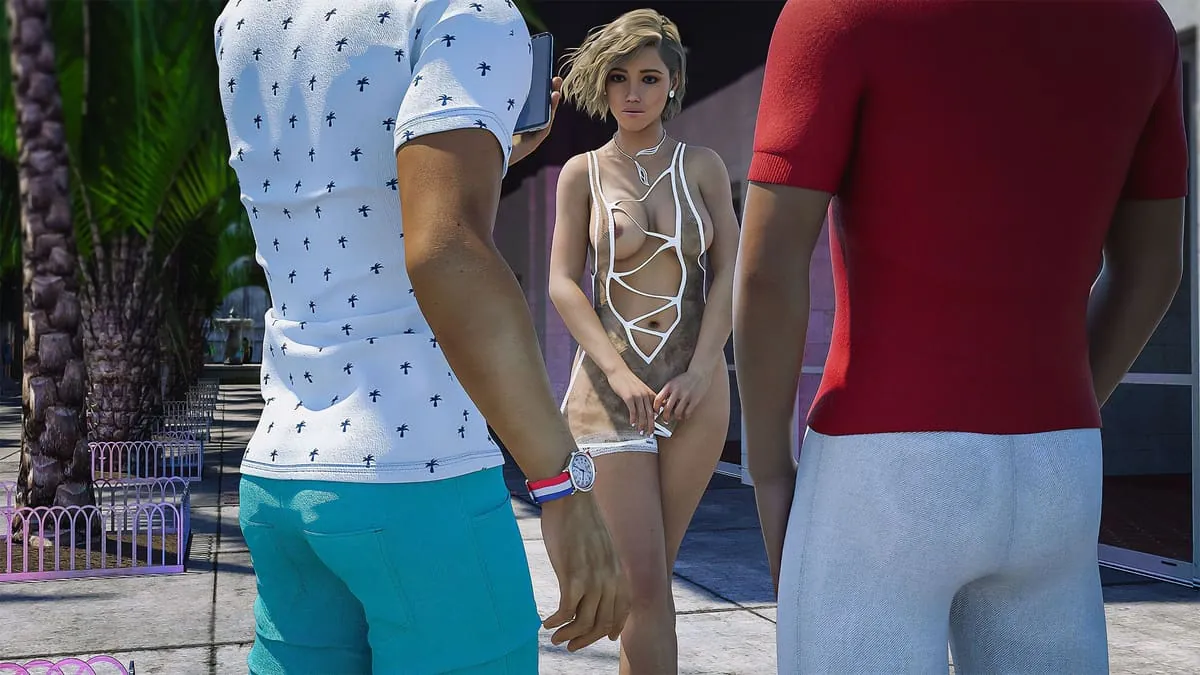
Only a Dream Screenshots















Only a Dream review
Explore the immersive 3D narrative experience with branching storylines and interactive gameplay
Only a Dream stands out as a captivating 3D visual novel that blends narrative depth with interactive decision-making. Developed by tightbuns and released in February 2024, this adult-oriented experience invites players into the intimate world of Maddie, a protagonist navigating the blurred lines between reality and dreams. The game emphasizes player agency through branching narratives where your choices genuinely shape the story’s direction. With stunning Unreal Engine 5-comparable graphics and engaging gameplay mechanics, Only a Dream offers a unique journey that respects player intelligence while delivering an emotionally resonant experience. Whether you’re new to visual novels or a seasoned player, understanding what makes this game compelling requires exploring its core mechanics, narrative structure, and immersive features.
Understanding Only a Dream: Core Gameplay and Narrative Structure
Let me tell you about the first time Only a Dream truly stunned me. I was deep in a conversation with Nia, the enigmatic artist whose dreams are labyrinths of color and memory. She was showing me a painting, a chaotic swirl of dark blues and sharp red strokes. The dialogue options appeared: one was a gentle, probing question about her inspiration, and the other was a blunt, almost clinical observation about the use of negative space. I chose the latter, thinking I was just engaging with her art on an intellectual level. Big mistake. 😬 The screen didn’t flash with a “Nia Disapproves” message. She didn’t scowl or sigh. Instead, she just went very quiet, offered a thin smile, and ended the conversation. Three hours later, in a completely different story branch, I discovered that choice had quietly locked me out of an entire subplot about her late mentor. The game never told me. It just respected the consequence of my choice.
That’s the heart of Only a Dream. It’s a 3D narrative experience that doesn’t just offer choices—it weaves them into the very fabric of its world, creating a deeply personal tapestry of consequences, relationships, and paths. This chapter is your guide to understanding that fabric: the brilliant Only a Dream gameplay mechanics that power this unforgettable journey.
What Makes Only a Dream’s Branching Narrative Special
Forget the idea of a simple “good vs. evil” slider or three endings (bad, good, true). The Only a Dream branching narrative is an organic, living system. It’s less like a choose-your-own-adventure book and more like tending to a complex garden; every dialogue seed you plant, every action you take (or avoid), influences what grows and what withers. The game’s core premise—exploring the unstable, symbolic dreamscapes of other characters—provides the perfect narrative engine for this.
The story doesn’t “branch” in obvious, chunky ways. Instead, it diverges, subtly at first, then dramatically. A seemingly minor choice in Chapter 1 about how you comfort a frightened child might determine which symbolic monster you face in that character’s dreamscape in Chapter 3. The game masterfully uses its dream logic to make even wild story paths feel earned and coherent.
What sets it apart is the philosophy of respect. The game doesn’t hold your hand. There are no glowing quest markers over crucial dream symbols, no journals that spell out a character’s trauma in bold letters. You have to pay attention. You have to listen to the subtext in conversations and observe the changing environments in the dream worlds. This approach treats you like an intelligent participant, not a passenger. When you uncover a hidden memory or unlock a new story path, it feels like a genuine discovery you earned, not a checkbox you completed. 🧠
This creates an incredible sense of ownership over your narrative. My story with the pragmatic engineer, Leo, where I challenged his rigid worldview, played out completely differently from my friend’s, where she consistently supported his logical approach. We were comparing notes and realized we’d seen different sides of the same character, accessed unique scenes, and reached conclusions about his arc that were opposites! That’s the power of a truly dynamic Only a Dream branching narrative.
Decision-Making Mechanics and Their Story Impact
So, how does this all work under the hood? The visual novel decision-making gameplay in Only a Dream is elegantly straightforward but generates incredible depth. Your primary tools are dialogue options and key action choices within dreamscapes.
The dialogue options visual novel system here is a masterclass in subtlety. You won’t see options like [Sarcastic], [Heroic], or [Romance]. Instead, you’re presented with tones, attitudes, or lines of inquiry. For instance, when talking to the guilt-ridden detective, Kael:
- You might choose to focus on the facts of his old case.
- You might appeal to his sense of justice.
- Or you might pry into his personal feelings of failure.
Each of these approaches nudges the conversation—and Kael’s perception of you—in a different direction. These choices are rarely about finding a “correct” answer, but about defining who you are in this world and how you connect with others. This is the essence of interactive narrative choices that matter.
Beyond dialogue, the dreamscapes themselves are playgrounds for consequential choice. You might find a fractured, crying mirror that represents a character’s shattered self-image. Do you try to piece it together (suggesting a desire to fix them), listen to its whispers (showing empathy for the pain), or look past it entirely (prioritizing progress over their emotional state)? These are major pivotal choice points that resonate through the waking world.
To visualize how these mechanics intertwine, let’s break down their narrative impact:
| Gameplay Feature | How It Works | Direct Narrative Impact |
|---|---|---|
| Dialogue Choices | Selecting tonal or thematic responses in conversations. No explicit good/bad labels. | Alters character relationship values, unlocks or locks future dialogue trees, and influences the symbolic content of their dreamscapes. |
| Key Decision Points | Major actions within dreamscapes (e.g., confronting a fear vs. soothing it). Often timed or presented as clear forks. | Directly opens or closes entire Only a Dream story paths. Can change a character’s core conflict and the game’s ending sequence. |
| Dreamscape Exploration | Interacting with symbolic objects, navigating environmental puzzles, and following or ignoring certain paths. | Reveals hidden backstory and character motivations, providing context that makes future choices more informed. Can unlock “secret” knowledge that becomes a new dialogue option. |
🎯 Pro Tip: There is no “waiting for the right choice.” The game autosaves constantly, and choices are immediate. Live with your decisions. That anxiety, that wonder about “what if?” is part of the intended experience. Your first playthrough is your true story.
Character Relationships and Invisible Relationship Meters
This is where Only a Dream truly shines and feels most alive. Every major character has a complex, invisible relationship meter tracking your dynamic with them. I say “invisible” and “meter” for clarity, but the game never shows you a number, a heart icon, or a fillable bar. 🫥 You gauge your standing through behavior: what they choose to share, their body language, the very state of their dreamscape, and ultimately, which doors they open for you—literally and figuratively.
These Only a Dream character relationships are multifaceted. It’s not just “like/dislike.” You might have high “Trust” with Kael the detective because you’ve been honest, but low “Empathy” because you’ve pushed him too hard on his trauma. This matrix determines everything:
* Story Availability: A character with high trust might invite you to a private location, unlocking a new story branch. Low empathy might mean they refuse to discuss a key memory, blocking a path to resolving their core conflict.
* Character Behavior: In a tense group dream sequence, a character who views you as an ally might come to your defense. One who finds you antagonistic might leave you to face a nightmare alone.
* Dreamscape Evolution: This is the most beautiful part. As your relationship deepens (or sours), their dream world changes. A garden frozen in ice might begin to thaw, revealing new areas to explore. A chaotic, hostile cityscape might become slightly more orderly, or descend further into stormy chaos based on your actions.
Let’s use Nia, the artist, as a case study. In my first playthrough, I focused on solving the “mystery” of her art, treating her dreams like puzzles. Our relationship was one of professional curiosity. Her dreamscape remained beautiful but sterile, a gallery of finished paintings. In my second, I focused on her fears and joys, the emotions behind the art. This built a relationship of creative intimacy. Her dreamscape transformed into a vibrant, messy workshop where paintings were half-finished, and new, hidden passages opened up—symbolic of her opening up to me. I accessed a whole storyline about her artistic block I never knew existed! This is the profound impact of interactive narrative choices on connection.
The game brilliantly ties dialogue options visual novel mechanics directly to these meters. Choosing a supportive line might nudge “Trust” and “Empathy” upward. Choosing a brutally analytical line might increase “Respect” but decrease “Empathy.” You learn to read the characters, not a UI element.
This system makes every interaction feel charged with meaning. You’re not just picking text; you’re building—or damaging—a fragile, human connection. When you finally break through to a character, when their dreamscape shifts in response to your journey together, it delivers an emotional payoff few games can match. It validates the core Only a Dream gameplay mechanics: that patience, observation, and genuine engagement are your most powerful tools.
Ultimately, Only a Dream presents a straightforward but incredibly deep gameplay approach. On the surface, you walk, talk, and choose. But beneath that surface lies a narrative ecosystem of breathtaking complexity. It trusts you to navigate its depths without a map, rewarding your attention and emotional intelligence with a story that feels uniquely, personally yours. Your Only a Dream branching narrative is waiting to be woven, one conscious, consequential choice at a time. ✨
Only a Dream represents a compelling entry into the visual novel genre, combining sophisticated branching narrative design with stunning visual presentation. The game’s strength lies in its respect for player agency—your choices genuinely matter and create a personalized story experience that feels earned and deeply personal. From Maddie’s journey through recurring dreams to the intricate character dynamics and next-generation graphics, every element works together to create an immersive experience. Whether you’re drawn to the narrative depth, the visual quality, or the interactive decision-making mechanics, Only a Dream offers a short but impactful adventure that respects your intelligence as a player. If you’re interested in exploring a visual novel that prioritizes both storytelling and sensory immersion, downloading Only a Dream and experiencing Maddie’s journey firsthand will provide a unique gaming experience that lingers long after completion.