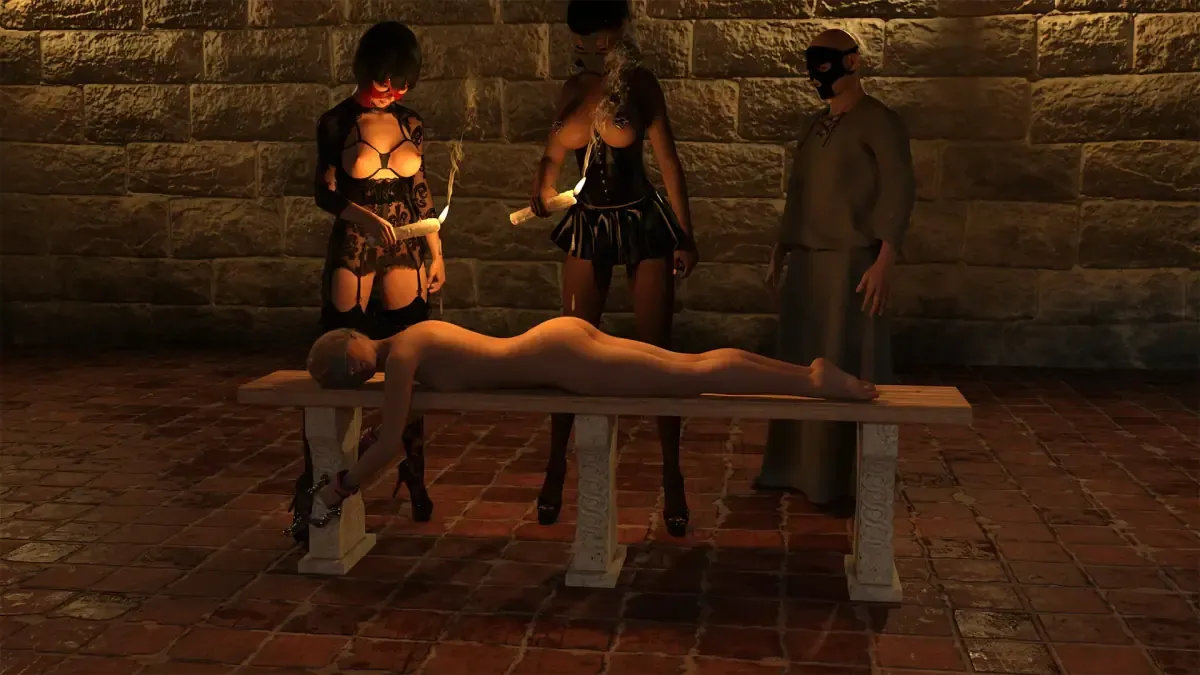
Project SAGE
Play Project SAGE
Project SAGE Screenshots







Project SAGE review
Discover Choices, Characters, and Thrilling Paths in This Immersive Adventure
Hey there, fellow adventurer—have you stumbled into the captivating world of Project SAGE? This isn’t your average game; it’s a choice-driven masterpiece where every decision shapes your journey through steamy encounters and deep storytelling. I remember my first playthrough: naming my protagonist Amy from Canada, diving into Act 1, and getting hooked on how paths twisted based on five key questions. Whether you’re new or replaying for hidden routes, this guide unpacks everything from setup to secrets. Let’s jump in and make your experience unforgettable!
What Makes Project SAGE Stand Out?
I still remember the first time I fired up Project SAGE gameplay. I’d just finished another linear visual novel where my only choice was which shiny object to click next. I was bored. 😴 Then, on a whim, I downloaded this title that promised my decisions truly mattered. Within the first ten minutes, a seemingly innocent dialogue option about my character’s past led to a completely different introductory scene than my friend described. My jaw dropped. That was the moment I realized what is Project SAGE game all about—it’s not just a story you watch; it’s a world you build, brick by emotional brick.
This isn’t a game with a single golden path. It’s a sprawling, reactive tapestry where every thread you pull changes the pattern. The core of how to play Project SAGE is to abandon the idea of “right” and “wrong.” Instead, you lean into curiosity. What happens if I’m sarcastic here? What if I choose vulnerability over strength? The game remembers everything, weaving your personality into the plot in ways that feel astonishingly personal. This guide is your map to that wilderness. Let’s dive into what makes this journey so unforgettable.
How Do Choices Drive Your Story?
If you’re used to games where choices are mere illusions, Project SAGE will feel like a revolution. 🚀 Here, Project SAGE choices are the engine, the fuel, and the steering wheel. They don’t just alter a line of dialogue or change a character’s temporary mood; they pivot entire story arcs, open or lock away chapters of content, and define relationships on a fundamental level.
The magic lies in the game’s layered consequence system. A choice in Act 1 might seem minor—like deciding to confide in a secondary character about a personal fear. That character now sees you as a trusted friend. Fast forward to Act 3, and that same character might provide a crucial piece of information or support that is only available if you built that trust years earlier (in game time). This creates a profound sense of ownership. Your story feels unique because, in many tangible ways, it is.
My personal “wow” moment came during a tense negotiation scene. Based on a series of earlier Project SAGE choices regarding my career and moral compass, I had access to a unique diplomatic option that completely bypassed the conflict. A friend of mine, who played more aggressively, had to fight their way out. We were literally playing different games within the same framework. That’s the Project SAGE gameplay promise: your identity shapes your reality.
This design philosophy makes replayability not just an option, but a compelling invitation. A second playthrough isn’t about skipping scenes you’ve seen; it’s about discovering entirely new scenes, characters, and outcomes. Want to see what happens if you betray an early ally? Or pursue a romance that you ignored the first time? The narrative branches are robust and rewarding.
Answering the Five Key Questions Right
Before you even step into the main story, Project SAGE presents you with its foundational pillar: the five questions Project SAGE uses to build your protagonist. This isn’t just a character creator; it’s a narrative DNA sequencer. 🧬 Your answers here don’t just change your appearance—they wire core aspects of your backstory, personality, and potential into the game’s code.
Getting “stuck” on these questions is common! There’s no single perfect answer, but some choices create a more seamless or intriguing narrative flow for your first run. Think of them as setting the genre for your personal epic.
To help you navigate this crucial first step, here’s a breakdown of each question and how it shapes your journey:
| Question | Suggested Answer (For First Playthrough) | Key Story Impact |
|---|---|---|
| What is your name? (The Project SAGE protagonist name) | Amy | This name is woven naturally into dialogue by key characters, enhancing immersion. It fits the game’s tone perfectly. |
| Which country feels like home? | Canada | Choosing a non-USA country like Canada provides a compelling “outsider” perspective that fits beautifully with the game’s initial USA setting, creating immediate, interesting character depth. |
| What defined your youth? | A Focus on Education | Unlocks unique dialogue options rooted in logic and analysis. It can provide early advantages in intellectual or professional challenges within the story. |
| What do you seek most? | Genuine Connection | |
| What is your greatest strength? | Resilience | This can trigger special narrative moments during hardships, offering unique paths of perseverance that other strengths might not allow. |
Remember, “right” is subjective. The beauty of the five questions Project SAGE asks is that they are designed for experimentation. A name like “Alex” might lead to more gender-neutral interactions, while a background of “Struggle” could unlock grittier, street-smart solutions to problems. My advice? Go with your gut for your first run. Your authentic choices will always lead to the most personal story.
Why Act 1 Hooks You Instantly
Project SAGE Act 1 is a masterclass in narrative engagement. It doesn’t waste time. Within moments, you’re not just reading about a character; you are the character, making decisions that carry weight. The act throws you into a relatable, modern setting—often navigating the complexities of a new life in a vibrant US city—but laced with the promise of deeper, more mature mysteries simmering beneath the surface. 🌆
The Project SAGE gameplay in Act 1 is expertly paced. It balances world-building, character introductions, and meaningful choice-making without ever feeling like a tutorial. You’ll meet potential friends, rivals, and love interests, and your early interactions with them set the tone for your entire relationship. The game’s visual novel style is elevated by its sharp writing and thoughtful visuals, making every conversation feel like a scene from a premium drama.
What makes Project SAGE Act 1 so effective is its “playground” design. It presents you with a contained social and professional ecosystem and gives you the tools to explore it freely. Want to focus on climbing the career ladder? You can. More interested in exploring the city’s nightlife and romantic possibilities? Go for it. The game validates your focus by developing those storylines in real time. This immediate feedback loop—choose, see consequence, explore further—is incredibly addictive.
From a practical how to play Project SAGE standpoint, Act 1 is where you should embrace save files. Create a new save at the start of each major chapter or after a big decision. This isn’t cheating; it’s the intended way to explore the narrative lattice the developers built. Seeing how a single different choice in Act 1 can ripple outwards by the act’s climax is the best way to understand the game’s profound depth.
Pro Tip: Don’t try to “game” the system on your first playthrough. Pick the Project SAGE choices that feel true to you in the moment. The most rewarding stories come from genuine role-playing, not from following a guide to a predetermined ending.
For fans of deep character development and stories that respect your intelligence, Project SAGE is a treasure. It understands that the most thrilling paths aren’t the ones laid with gold bricks, but the ones you carve yourself through the wilds of consequence and connection. Project SAGE gameplay is the rare experience that stays with you, not because of a shocking plot twist, but because the story felt, in every meaningful way, like your own.
Ready to dive deeper? Here are my top 5 beginner tips for maximizing your enjoyment:
- Save Often and Creatively: Label your saves with the key choice you made (e.g., “Chose to trust X”). It makes revisiting branching paths effortless.
- Embrace Role-Playing: Commit to a personality for your protagonist and stick to it, even when it seems to make things harder. The payoffs are worth it.
- Talk to Everyone, Twice: Characters have new things to say after major events. These conversations are goldmines for lore and relationship development.
- Experiment Boldly Early On: Act 1 is the safest place to see the cause-and-effect mechanics. Try a radically different approach on a second save file just to witness the divergence.
- Pay Attention to the Silence: Sometimes, what a character doesn’t say after your choice is more telling than any dialogue. The game’s nuance is in its reactions.
Now that you’re equipped with the basics, you’re ready to claim your Project SAGE protagonist name and step into a world where your voice truly matters. What story will you tell?
There you have it—Project SAGE delivers endless thrills through smart choices, memorable characters, and those pivotal five questions that keep you coming back. From my countless hours exploring Amy’s paths in Act 1, I’ve seen how it blends storytelling with excitement like few others. Whether you’re crafting your first adventure or hunting rare endings, this game rewards bold players. Grab it, dive in, share your wildest routes in the comments below, and let’s keep the conversation going—what’s your go-to protagonist setup?