Race of Life
Play Race of Life
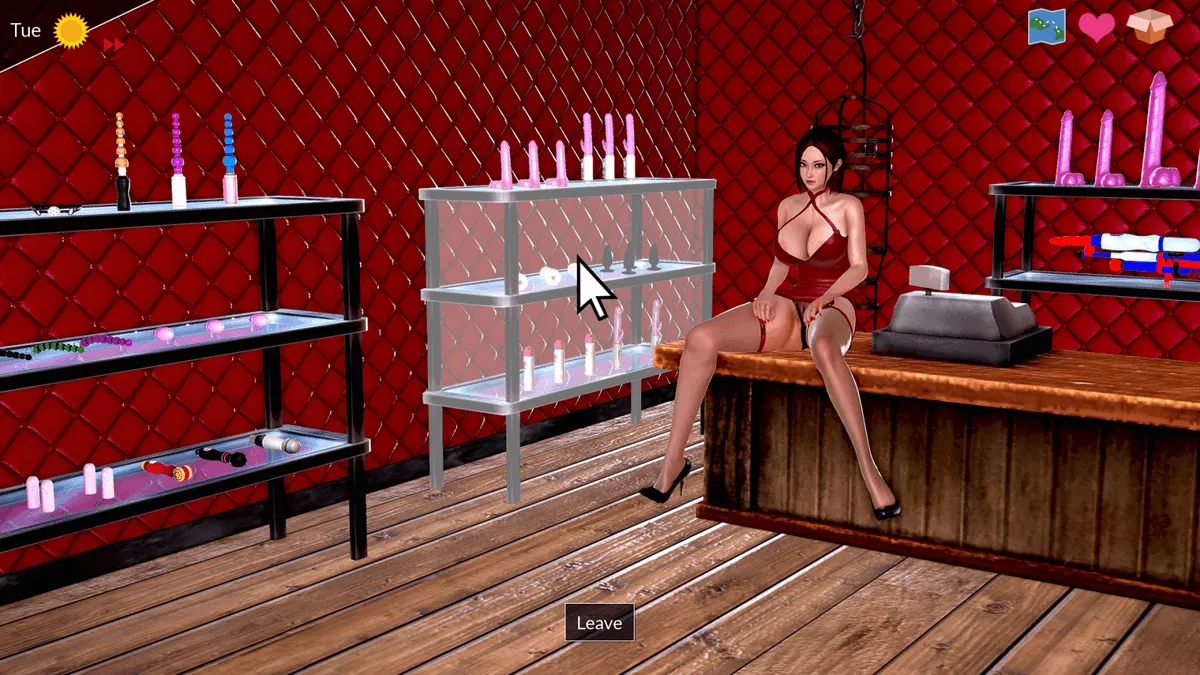
Race of Life Screenshots
















Race of Life review
Explore the immersive visual novel blending street racing, relationships, and strategic gameplay
Race of Life Act 1 stands out as a unique adult visual novel that combines street racing excitement with deep narrative storytelling. Players step into the shoes of Jake Miller, a 30-something divorced professor navigating personal turmoil while diving into the underground racing scene. This game masterfully weaves together college and street racing themes with interactive decision-making that shapes your journey. Whether you’re interested in the gameplay mechanics, character relationships, or what makes this title different from other visual novels, this guide covers everything you need to know about this compelling experience.
Understanding Race of Life Act 1: Core Gameplay and Story
Ever found yourself stuck in a rut, wondering what it would be like to just drop everything and chase something that gets your heart pounding? 🤔 That’s the exact feeling Race of Life Act 1 gameplay masterfully captures. This isn’t just another visual novel; it’s a deeply personal, high-stakes drama where your choices behind the wheel and in conversation shape a man’s entire future. If you’re looking for a game that blends the thrill of the underground with the complexities of rebuilding a broken life, you’ve hit the nitro button on the right title. 🚗💨
This interactive storytelling game throws you into the worn-out shoes of Jake Miller, a man whose world has crumbled, and tasks you with picking up the pieces. But be warned: every decision, from a flirty text to a risky overtake, carries weight. Let’s dive under the hood and explore what makes this street racing visual novel such a compelling journey.
Who is Jake Miller and Why Does His Story Matter?
Meet Jake Miller. On paper, he’s a respected university professor, a man of intellect and theory. In reality, he’s a recently divorced, emotionally bruised forty-something trying to figure out what comes after “happily ever after” falls apart. The Jake Miller character isn’t your typical young, brash racing protagonist. His angst comes with mortgage payments, professional rivalries, and the haunting silence of an empty house. This grounded starting point is what makes his story so relatable and ripe for player influence.
His dive into the world of street racing visual novel action isn’t born from a lifelong dream, but from personal tragedy and desperation. A devastating loss connected to this dangerous underworld becomes his catalyst. It’s a quest for answers, for redemption, and perhaps for a feeling of control he’s lost everywhere else. You, as the player, guide whether this path becomes a healthy outlet, a self-destructive obsession, or a means to forge new, unexpected connections.
Jake’s journey resonates because it’s about more than winning races; it’s about winning back a sense of self. The game asks: Can you fix a life in the rearview mirror while racing toward an uncertain future?
What truly defines the Jake Miller character is his duality. You’re constantly balancing Dr. Miller, the academic trying to salvage his career and be a good father, with “Jake,” the man discovering a dangerous new persona on midnight streets. This conflict is the soul of the Race of Life Act 1 gameplay, making every success and failure feel intensely personal.
How Decision-Making Shapes Your Gameplay Experience
Forget simple “good” or “evil” dialogue trees. The visual novel decision-making in Race of Life is a nuanced, nerve-wracking, and incredibly rewarding system. It operates on multiple levels, influencing Jake’s professional standing, his deepening involvement in the racing scene, and the delicate web of relationships around him. A single choice can send ripple effects through all areas of his life.
Think of it like this: agreeing to help a colleague might boost your Academic reputation, but it could mean missing a crucial meet-up with a racing contact, altering your Street Cred. Choosing to be vulnerable on a date could deepen a bond, while playing it cool might protect your bruised ego but leave you lonely. The game masterfully avoids clear binaries, presenting you with decisions that feel true to life—often messy, with pros and cons you have to weigh in the moment.
Let’s look at a concrete example. Early on, you might be confronted by an aggressive rival, Derrek, at a campus event. You have a few choices:
* Stand your ground professionally: Quote university policy and assert your position calmly.
* Respond with aggression: Match his hostility, threatening your academic decorum.
* Deflect with sarcasm: Use wit to disarm the situation, but potentially come off as immature.
This isn’t just about that one conversation. If you choose aggression, you might impress a nearby racing enthusiast who values toughness, unlocking a new racing opportunity. However, a colleague witnessing it could report you, harming your Professional status. Choosing the professional route maintains your campus standing but might mark you as “weak” in the racing world’s eyes. This visual novel decision-making creates a truly interactive storytelling game where your persona is built brick by brick with every choice.
The consequences aren’t always immediate. A flippant remark might come back to haunt you chapters later, or a moment of kindness might open a door you forgot you knocked on. This system demands you think about who you want Jake to be, not just what you want to happen next.
To visualize how these choices branch out, here’s a look at the three core pillars of Jake’s life and how player agency directly impacts them:
| Life Aspect | Player Influence & Key Metrics | Potential Outcomes of Choices |
|---|---|---|
| Professor Role 🎓 | Academic Reputation, Research Progress, Student Rapport | Securing tenure, publishing breakthrough work, losing respect, facing disciplinary action, inspiring or failing students. |
| Personal Relationships 💖 | Trust Levels, Intimacy, Character-Specific Affinity | Reigniting old flames, building new deep connections, creating bitter rivalries, fostering supportive friendships, or descending into isolation. |
| Racing Involvement 🏁 | Street Cred, Mechanical Skill, Rivalry Status, Crew Loyalty | Gaining respect in the underground, attracting a skilled crew, making powerful enemies, unlocking superior car parts, or remaining an outsider. |
The Innovative Phone System and Relationship Management
If the decision-making is the brain of Race of Life, then the Phone System is its beating heart. 📱 This isn’t a static menu; it’s Jake’s lifeline to the world, and mastering it is key to navigating the game’s rich relationship management system. It’s where the story lives between the major scenes, creating a stunningly immersive and dynamic experience.
The moment you open the phone, you’re greeted by a familiar interface. You have a contacts list, a messaging app, a camera gallery, and—most importantly—character bios. But here’s the genius part: these bios aren’t static. They update in real-time based on your actions. Miss a date with someone? Their bio might change to reflect disappointment. Help someone out of a tough spot? You’ll see their perception of you shift from “Acquaintance” to “Trusted Friend.” This live feedback loop is central to the Race of Life phone system, making you feel directly responsible for the state of your relationships.
Messaging is where a huge part of the interactive storytelling game unfolds. Characters will text you at all hours—sharing gossip, flirting, arguing, or asking for help. You must choose how to respond, and these conversations are every bit as consequential as face-to-face talks. A well-timed supportive text can mend a fraying bond, while a poorly chosen emoji or ignored message can create distance. I once spent ten minutes agonizing over how to reply to a simple “Hey, you free?” text because I knew the character’s history and what they might really be asking. That’s the level of investment this system creates!
Furthermore, the phone is your portal for receiving exclusive content. Characters might send you photos—a snapshot of their day, a provocative image, or a crucial clue related to the racing underworld. These pictures aren’t just collectibles; they can unlock new dialogue options, provide hints for gameplay, or deepen the sensual and emotional layers of a relationship. The game explores attraction and intimacy as part of holistic character development, and the phone is often the conduit for that building tension and connection.
This seamless relationship management system does more than track stats; it makes every character feel alive and independently reactive. It turns the Race of Life Act 1 gameplay into a persistent world that exists even when you’re not “playing,” urging you to check in, follow up, and nurture the connections you’ve made. It’s a brilliant mechanic that ensures your investment in Jake’s world goes far beyond the racetrack or the lecture hall.
Ultimately, Race of Life Act 1 sets a new bar for what a street racing visual novel can be. It deftly balances high-octane racing thrills with slow-burn personal drama, all tied together by a visual novel decision-making framework that truly matters and a Race of Life phone system that brings its world to vibrant life. The Jake Miller character is a vessel for our own “what if” scenarios, and his journey of rebuilding, racing, and relating is one you’ll power with every choice you make. So, charge your phone and warm up your engine—your new life is waiting. 🔥
Race of Life Act 1 delivers a compelling blend of street racing excitement and meaningful narrative storytelling that appeals to players seeking more than surface-level entertainment. The game’s strength lies in its decision-making system that genuinely impacts outcomes, the innovative phone interface that enhances immersion, and Jake Miller’s complex journey of redemption and survival. With approximately 26 hours of gameplay, carefully balanced content distribution, and racing mechanics that serve the larger narrative, this visual novel offers substantial value for players interested in interactive storytelling. Whether you’re drawn to the racing elements, character relationships, or the exploration of personal drama, Race of Life Act 1 provides a rich, engaging experience that respects player agency and creates meaningful consequences for every choice made throughout the game.