
Rebirth
Play Rebirth
Rebirth Screenshots



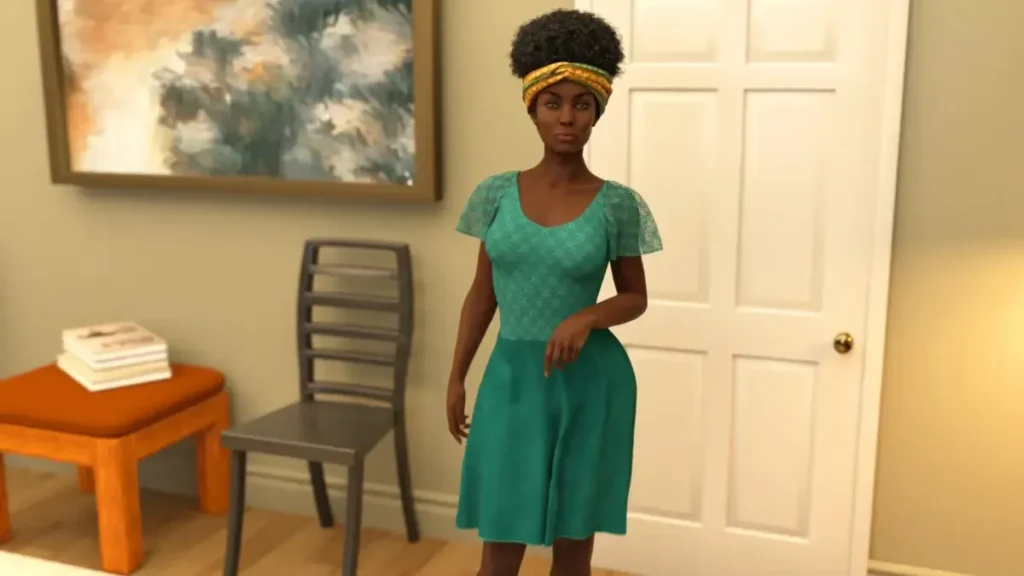


Rebirth review
Explore Gameplay, Story, and Tips for the Rebirth Interactive Experience
Rebirth is a distinctive adult visual novel game that combines immersive storytelling with interactive gameplay elements. This guide will walk you through the core aspects of Rebirth, highlighting its unique features, character dynamics, and practical strategies to enhance your experience. Whether you’re new to the game or looking to deepen your understanding, this article offers a comprehensive overview to help you navigate and enjoy Rebirth to its fullest.
Understanding Rebirth: Gameplay and Story Overview
Let’s be honest, you’ve probably clicked on a “choices matter” game before, only to find your decisions lead to the same three endings with a different wallpaper. 😤 It can feel like your agency is an illusion. That’s why my first playthrough of Rebirth was such a genuine shock. Here was an adult visual novel game that didn’t just promise a branching path—it delivered a labyrinth where every turn felt consequential.
Rebirth isn’t just another title on the shelf; it’s a meticulously crafted interactive narrative where your moral compass, your relationships, and even your mistakes are the primary gameplay tools. If you’re ready to move beyond superficial choices and dive into a world where character development is earned, not given, you’re in the right place. Let’s peel back the layers of this captivating experience.
What Makes Rebirth Unique? 🎭
At its heart, Rebirth is a Rebirth visual novel that masterfully blends mature, often gritty storytelling with a profound sense of player responsibility. What sets it apart is its unwavering commitment to consequence. This isn’t a fantasy power trip; it’s a narrative about flawed people in a complex, sometimes oppressive world. The “adult” label isn’t just about thematic content—though it handles mature relationships and darker themes with a respectful gravity—it’s about treating the player like an adult, capable of handling nuanced dilemmas without clear “good” or “evil” answers.
The atmosphere is palpable, thanks in large part to the stunning Rebirth game art style. It employs a mix of detailed, evocative static backgrounds and beautifully rendered character sprites that convey a staggering range of emotions. The art doesn’t just set the scene; it immerses you in the game’s melancholic yet hopeful tone. I remember spending minutes just soaking in the rain-soaked cityscape of a pivotal scene, the muted colors and sharp lighting perfectly echoing my character’s isolation. This visual cohesion is key to the Rebirth game gameplay, making every moment of exploration and conversation feel weighted and real.
Core Gameplay Mechanics ⚙️
The core loop of Rebirth will be familiar to fans of the genre, but its execution is where the magic happens. You progress through the story by reading narrative text and dialogue, with key moments presenting you with critical decisions. But calling them mere “choices” feels reductive. These are Rebirth story choices that operate on multiple levels:
- Immediate Dialogue Responses: These shape how characters perceive you in the moment—are you defiant, compassionate, cynical, or withdrawn?
- Major Plot Decisions: These are the forks in the road that can lock or unlock entire story arcs, character relationships, and endings.
- Relationship Investment: Choosing who to spend your limited time with is perhaps the most significant mechanic. You can’t be everywhere at once, and prioritizing one character often means neglecting another, with tangible narrative results.
The game brilliantly tracks your “alignment” with core themes—like Hope, Cynicism, Freedom, or Order—behind the scenes. I learned this the hard way. In my first run, I made what I thought were pragmatic, survival-focused choices, only to find doors literally closing on certain alliances and opportunities in the later chapters. My character had become someone the more idealistic cast members simply couldn’t trust. That’s the Rebirth game gameplay at its best: a system that reflects your evolving identity back at you.
To give you a clearer picture of how these elements interact, here’s a breakdown:
| Gameplay Feature | How It Functions | Impact on Narrative |
|---|---|---|
| Dialogue Trees | Multiple response options during conversations, often timed. | Directly influences character affinity and unlocks personal story beats. |
| Relationship Points (Hidden) | A hidden metric that increases or decreases based on your choices and time investment. | Determines the availability of romance paths, deep confidant scenes, and whether a character will support you in a crisis. |
| Pathway System | Major narrative decisions that segment the story into distinct arcs. | Alters the central conflict, available locations, and which characters take center stage. |
| Memory/Journal System | An in-game log of your key decisions and discovered lore. | Provides crucial context for understanding long-term consequences and piecing together the world’s mysteries. |
Storyline and Character Development 📖
The narrative of Rebirth is a slow burn, focusing on a protagonist who is literally or figuratively seeking a fresh start in a city brimming with secrets and social tension. The story excels at personal stakes, weaving your character’s intimate struggles with larger, systemic conflicts. This is where Rebirth character development shines. The characters you meet—from the wary ally to the charismatic rival—are not just archetypes; they are individuals with pasts, traumas, and motivations that often conflict with your own.
Take, for example, a character like Kaelen. Initially, he comes off as aloof and untrustworthy. Early on, I chose to challenge him aggressively, which shut down his route entirely. On a second playthrough, I used my Rebirth story choices to be persistently, patiently curious. This unlocked layers of backstory that recontextualized his every action and transformed him from a potential antagonist into my most loyal confidant. His entire arc was gated by my behavioral choices.
This level of depth is standard for the cast. Your interactions don’t just fill a “like” meter; they change how characters behave, what they reveal, and ultimately, who they become by the story’s end. The interactive narrative Rebirth provides means you are an active author of not just your destiny, but of the people around you. Will you help the cynical journalist rediscover her passion? Will your influence soothe the vengeful heir or fuel his rage? This Rebirth character development is the true core of the experience.
My top tip for engagement? 🤔 Embrace the role-play. Don’t try to “game” the system on your first run to get a “perfect” ending. Decide who your character is at their core and make choices that feel authentic to that persona. The most rewarding moments in this Rebirth visual novel come from seeing the natural, sometimes heartbreaking, consequences of that commitment unfold. The beauty of Rebirth lies in its replayability; seeing how a different personality opens up wholly new story threads is where the game’s vast scope is fully revealed.
So, dive in. Let the stunning Rebirth game art style draw you into its world, and let the weight of your decisions sit with you. This isn’t just about reaching an ending; it’s about experiencing the poignant, messy, and deeply personal journey of Rebirth.
Rebirth offers a compelling blend of interactive storytelling and detailed character engagement, making it a standout title within its genre. By understanding its gameplay mechanics and narrative depth, players can fully appreciate the intricate choices and immersive experience it provides. Whether you are exploring Rebirth for the first time or revisiting it, this guide aims to enhance your journey through its rich, adult-themed world. Dive in and discover the many layers that make Rebirth a unique and engaging game.