
Sassy Cybergirl Screenshots




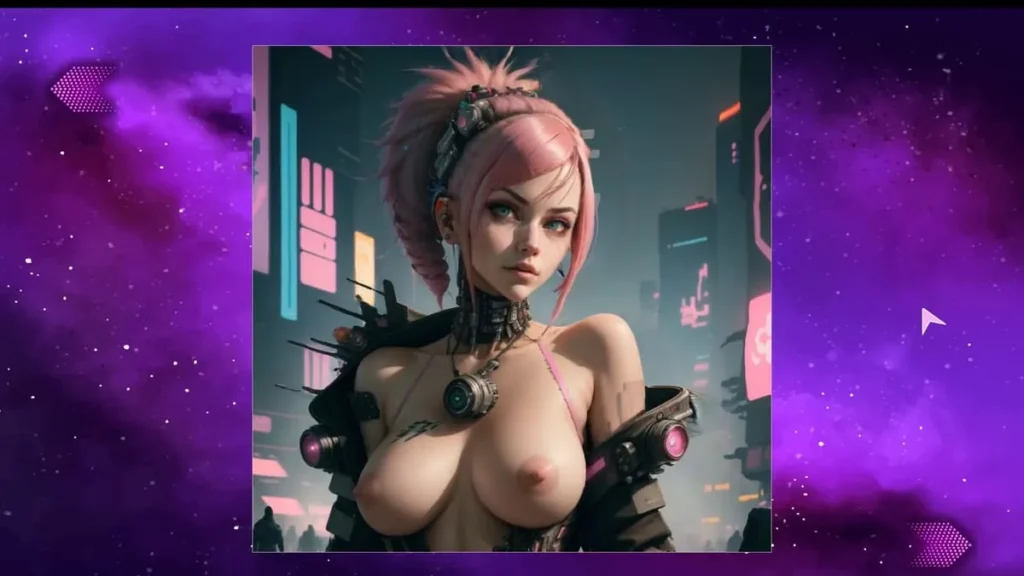
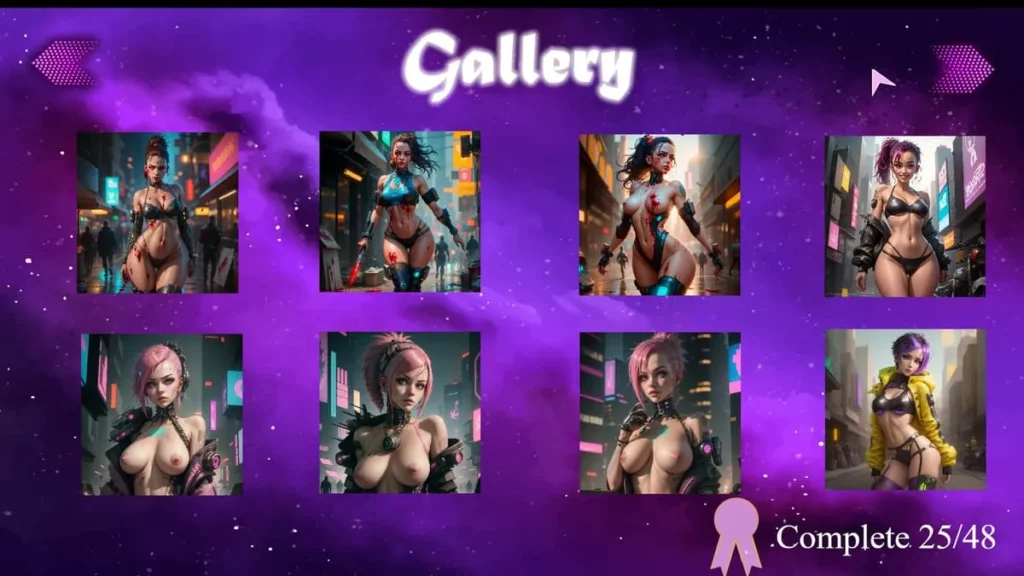
Sassy Cybergirl review
Dive into neon-lit puzzles, choices, and unlocks in this addictive adult adventure
Ever stepped into a neon-drenched dystopia where every puzzle solved unlocks not just doors, but sizzling cyberpunk encounters? That’s Sassy Cybergirl in a nutshell—a cyberpunk puzzle-adventure that hooked me from the first grid-reroute. I remember my initial run in Neo-Tokyo, fumbling a hacking mini-game and barely scraping by with enough Cyber-Flux to flirt with the rogue android. This game blends brain-teasing challenges, narrative choices, and progressive unlocks into an immersive experience. Whether you’re a puzzle pro or new to adult gaming, discover why Sassy Cybergirl stands out with its strategic depth and futuristic allure. Let’s hack into the details!
Mastering Sassy Cybergirl Gameplay: From Streets to Secrets
I remember my first real night in Neo-Tokyo. The rain was a permanent smudge on the viewport, and my goal was simple: get into the exclusive, floating club, “Elysium.” No invite, no connections—just raw ambition. This single objective threw me headfirst into the brilliant, neon-drenched gameplay loop that makes Sassy Cyborg gameplay so utterly absorbing. It wasn’t about fighting my way in; it was about thinking, connecting, and maneuvering through the city’s social and digital layers. 🎯
Let me walk you through how this incredible machine works, from those first slick streets to the deepest secrets the sprawl has to offer.
What Makes the Core Loop in Sassy Cyborg So Addictive? 🌀
The magic of this puzzle adventure lies in its perfect, self-reinforcing cycle. You don’t just walk from point A to B. You live a digital detective’s life.
-
Explore & Absorb: Every corner of Neo-Tokyo exploration is a story. You scan crowded markets, eavesdrop on corporate drones, and decipher graffiti tags. This isn’t just window dressing; it’s your primary source of clues. That snippet of conversation might hint at a security guard’s weakness, and that weird symbol on a wall could be the key to a backdoor later.
-
Interact & Choose: You talk to everyone, from cynical bartenders to anxious hackers. Dialogue isn’t just fluff—it’s a puzzle in itself. Your choices build your personality archetype (are you a Charmer, a Punk, or a Ghost?), which directly shapes how NPCs react to you. I learned this the hard way when my blunt “Punk” responses got me shut out of a info broker’s den, while a smoother talker might have waltzed right in.
-
Puzzle & Solve: This is the engine. To get into Elysium, I needed a fake ID. Getting it involved a three-stage cyberpunk puzzle: first, rerouting a data grid in the back alley to power a forger’s terminal; second, solving a logic sequence to decrypt the ID template; third, using a timing mini-game to simulate a biometric scan. Each success fed me the resources to move forward.
-
Progress & Unlock: Solving those puzzles rewarded me with Social Cachet (street cred) and Cyber-Flux (digital currency). The Cachet made the forger respect me enough to take the job. The Flux paid for the high-quality ID chip. With both, I walked past the bouncer like I owned the place. That feeling of earned access? Pure cyberpunk gold. ✨
This loop—explore, interact, puzzle, progress—is so tight and rewarding that “just one more puzzle” turns into “how is it 3 AM?” It’s the core of the Sassy Cyborg gameplay experience.
How Puzzle Mechanics Drive Your Cyberpunk Journey ⚙️
Forget generic sliding blocks. The cyberpunk puzzles here are the literal and figurative wiring of the city. They feel authentic, like you’re actually hacking, rerouting power, and cracking codes.
- Grid-Rerouting: You’ll often need to power a device or bypass a lock by connecting nodes on a circuit board. The twist? You have a limited number of connection pieces, and the path is never straightforward. In Act 2, you might have to deal with firewalls that break your connections if you don’t isolate them first.
- Node-Matching & Logic Gates: This is where your brain gets a real workout. You’re presented with a series of inputs and outputs, and you have to place logic gates (AND, OR, NOT) to make the system behave correctly. It’s like building a tiny, functioning computer program.
- Hacking Mini-Games: These are your quick-time, reflex-based challenges. Think of a sequence where you have to match scrolling code fragments or defend a data core from invading viruses. They’re fast, tense, and often used when you’re under pressure in the story.
The difficulty curve is masterfully crafted. Act 1 teaches you the basics in safe environments. Act 2 starts combining mechanics—like a grid-reroute puzzle with a timer, where taking too long triggers a security alert and a different, harder story branch (maybe a fight or chase you could have avoided). By Act 3, you’re layering multiple puzzle types to solve one grand challenge, feeling like a true netrunner genius.
My top puzzle tip: Always scan the environment before you start! The game often hides clues—a pattern on a poster, a number sequence on a terminal login screen—that give you a head start or even the solution to the puzzle adventure right in front of you.
Unlocking Progression with Social Cachet and Cyber-Flux 💎
Your two key resources are Social Cachet and Cyber-Flux, and managing them is your central Cyber-Flux strategy. They are the gears of progression in this world.
Social Cachet is your reputation. Earn it by solving puzzles elegantly, helping (or cleverly manipulating) NPCs, and making bold choices. It’s not a currency you spend, but a meter that opens doors. A high Cachet means fixers trust you with better jobs, clubs let you into VIP areas, and characters will share crucial secrets they’d tell no one else.
Cyber-Flux is cold, hard digital cash. You earn it directly from completing puzzles and jobs. You spend it on gear, software upgrades, bribes, and access to restricted areas. The critical tension? Flux is limited. Spending 500 Flux to bribe a guard might get you through one door, but leave you unable to buy the decryption key you need for the real prize behind the next.
Here’s a breakdown of how to think about these resources:
| Resource | How You Get It | Best Uses & Trade-Offs |
|---|---|---|
| Social Cachet | Completing side puzzles, making favorable dialogue choices, helping NPCs, achieving “style” in main puzzles. | Unlocks new dialogue paths and story branches. Grants access to exclusive areas and NPC services. High Cachet can sometimes replace a Flux cost. You CANNOT buy it. |
| Cyber-Flux | Direct reward from main/side puzzles, selling found data-chips, completing bounty contracts. | Purchasing key items, upgrades, and lore. Paying for instant access (bribes, tickets). The major trade-off: spending now vs. saving for a known, future obstacle. |
My personal “aha!” moment with these Social Cachet mechanics came when I was trying to lead a gang of misfits. I had the Flux to buy impressive-looking tech, but my Cachet was low—they saw me as a poser. I switched gears. I spent an hour doing side jobs for them (solving their local puzzles), building my Cachet. When I finally had their respect, I didn’t need the fancy tech; my word was enough. My Sassy Cyborg gameplay transformed from that of an outsider to a leader, all through strategic reputation building.
This system forces you to think about who you want to be in Neo-Tokyo. Are you a wealthy mercenary who buys their way through problems, or a street legend whose name opens all doors? Your Cyber-Flux strategy and your approach to Cachet define your journey.
Why does this loop feel so rewarding? Because every unlock, every new district opened, every secret revealed feels earned. You didn’t just grind to a higher level; you out-thought the city’s security, out-talked its influencers, and out-maneuvered its factions. The gameplay loop Sassy Cyborg employs makes you feel smart, stylish, and powerful—exactly what a great cyberpunk fantasy should deliver. 🏆
Your Quick Neon-Lit FAQ 🔮
-
How does the difficulty curve work in the puzzles?
It’s a smooth ramp! Act 1 is your tutorial, introducing each cyberpunk puzzle type in a low-stakes setting. Act 2 begins combining these mechanics and adding pressure (like timers). Act 3 expects you to master everything, presenting layered puzzles that tell a story themselves. -
What’s the best early-game strategy?
Focus on Neo-Tokyo exploration and building Social Cachet. Do side puzzles and help NPCs. Hoard your Cyber-Flux for the first major story blocker you hit, rather than spending it on early cosmetic gear. Cachet opens permanent doors, while Flux is for specific tools. -
Can I fail puzzles, and what happens?
Often, yes! “Failing” a puzzle usually means taking a different, harder path. You might trigger an alarm leading to a chase sequence, or be forced to spend more Flux on a plan B. It rarely blocks progress entirely, but it changes your story and resource cost. -
Do my wardrobe and style choices matter beyond looks?
Absolutely! While not a direct stat, your visual style influences initial NPC reactions and can provide small context-sensitive bonuses in certain social puzzle adventure scenarios, making some dialogue checks slightly easier.
From neon puzzles to trust-earning unlocks, Sassy Cybergirl delivers a cyberpunk thrill like no other—blending wits, choices, and immersive storytelling that kept me glued for hours. My favorite moment? Mastering a tier-3 puzzle for that secret ending with the cybergirl herself. If you’re craving strategic depth in a futuristic world, grab it now, tweak your archetype, and dive into Neo-Tokyo. Share your wildest runs in the comments—what’s your go-to wardrobe for max Cachet? Your next adventure awaits!