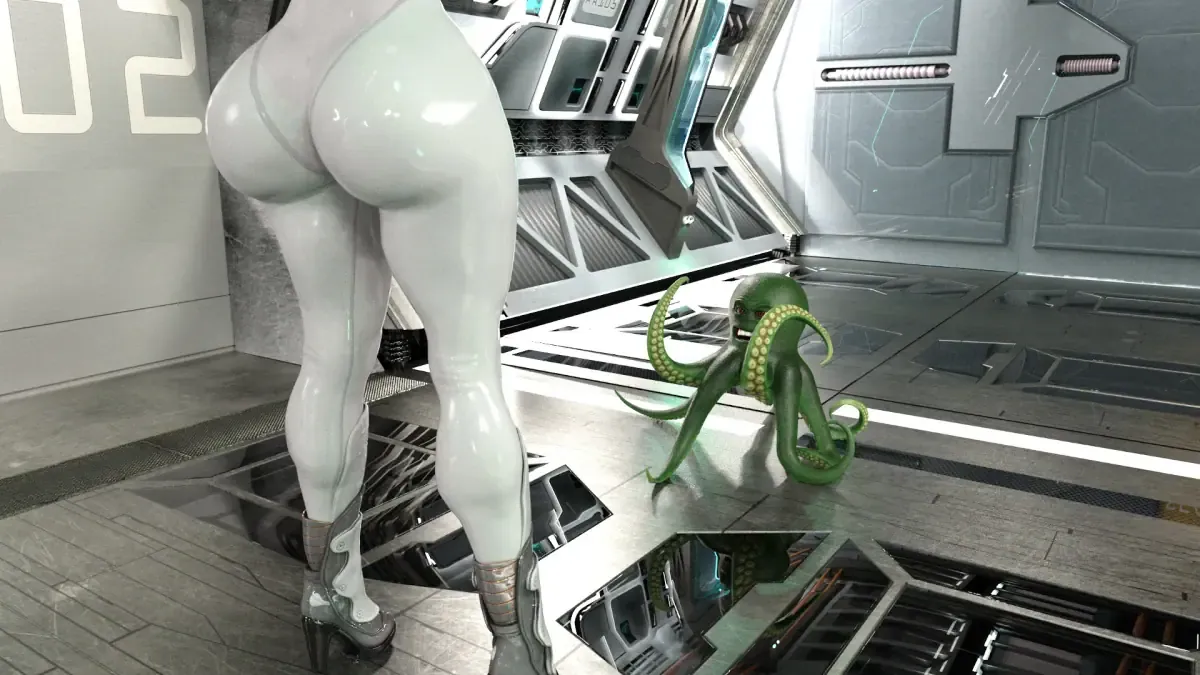
Stranded in Space
Play Stranded in Space
Stranded in Space Screenshots












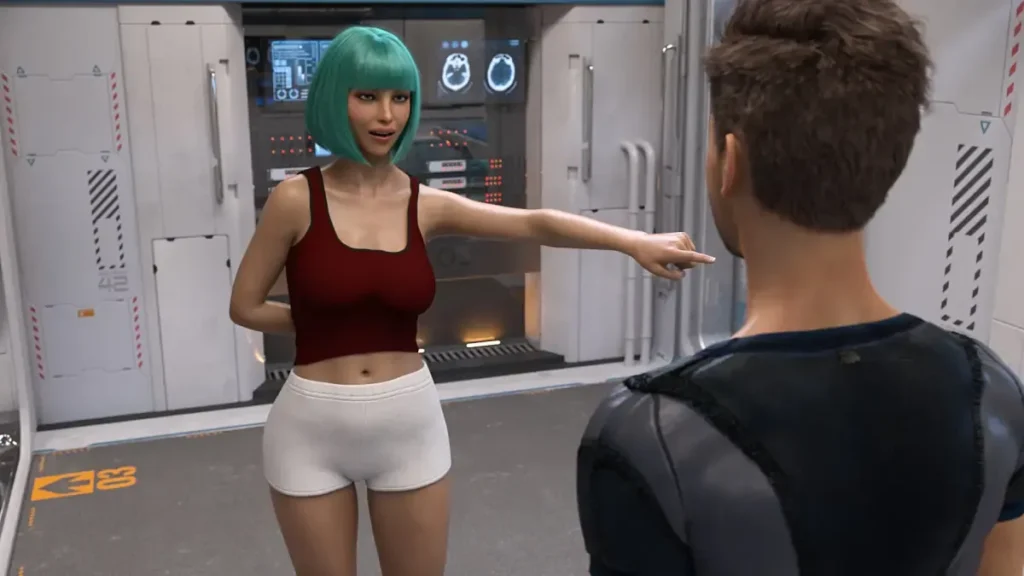

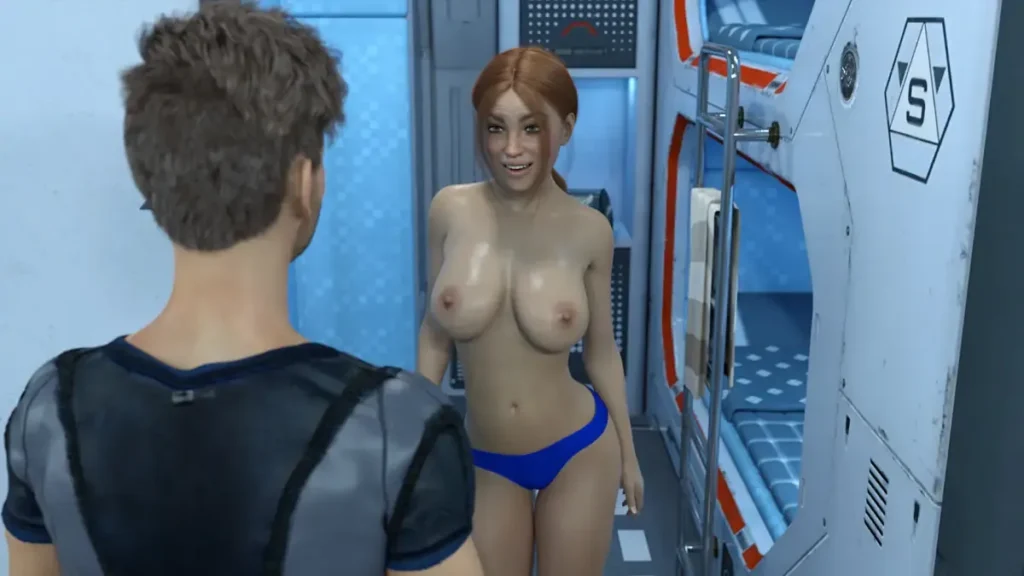
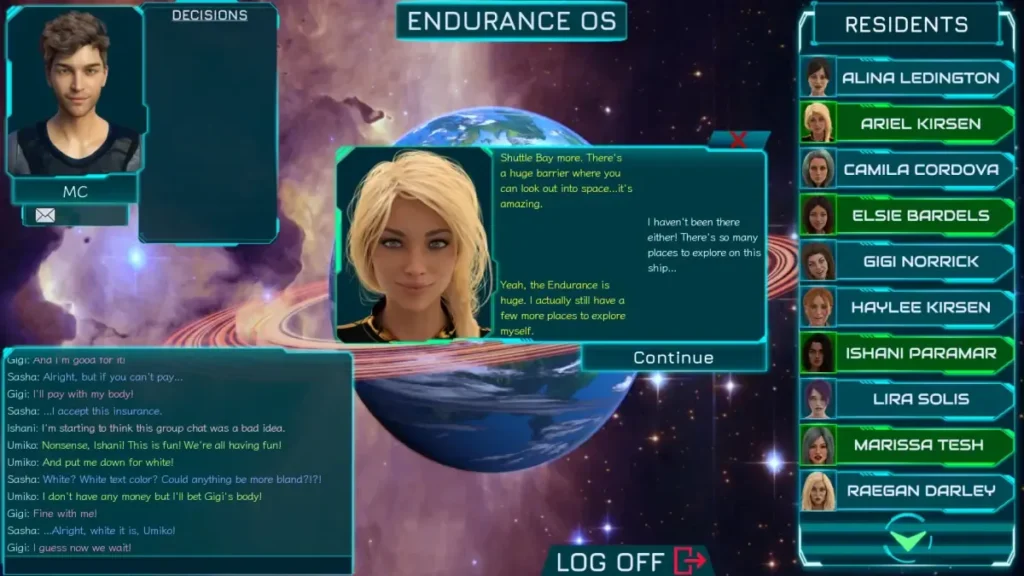

Stranded in Space review
Explore Thrilling Adventures and Intimate Encounters in This Space Survival Hit
Imagine drifting through the vast cosmos, your ship wrecked, surrounded by alluring companions in Stranded in Space. This gripping adult game drops you into a survival adventure packed with resource management, exploration, and steamy encounters that keep players hooked for hours. I’ve lost count of late nights diving into its immersive world, balancing peril and pleasure. Whether you’re scavenging wreckage or building bonds with captivating characters, Stranded in Space delivers non-stop excitement. In this guide, I’ll share insider tips, personal stories, and strategies to maximize your playthrough, helping you conquer the stars and unlock every secret.
What Makes Stranded in Space an Addictive Survival Adventure?
I still remember my first night with Stranded in Space. I’d booted it up expecting a quick tutorial, but three hours later, I was hopelessly lost in a crystalline cavern on a moon I wasn’t even supposed to visit yet. I was low on oxygen, my tool was blinking a warning, and I’d completely forgotten my original mission to patch the hull. That moment of beautiful, panicked discovery—where survival met sheer curiosity—is the heart of why this game sinks its hooks into you and never lets go. 🚀✨ It’s not just about staying alive; it’s about wanting to see what’s over the next asteroid ridge. That seamless blend of tension and wonder is what makes the Stranded in Space gameplay so irresistibly addictive.
How Does the Core Gameplay Loop Keep You Coming Back?
At its core, how to play Stranded in Space is a masterclass in balanced tension and reward. The loop is simple on paper: manage your vitals, fix your ship, and explore. But in practice, it’s a captivating dance where every action feeds into another. You’ll start by scrambling for basic resources like metal scrap and energy cells to stop your life support from failing—a genuinely pulse-pounding race against time. 🕐⚡
Once you’ve stabilized your floating home, the universe truly opens up. The Stranded in Space survival mechanics are brilliantly designed to transition from sheer panic to purposeful planning. You’re no longer just scavenging to avoid death; you’re harvesting exotic flora for advanced medkits or mining rare minerals to upgrade your scanner. This progression makes every play session feel meaningful. I found myself saying “just one more planet” repeatedly, as upgrading my thrusters to reach a new star system became an obsession.
A huge part of the compulsion comes from the characters you meet. The intimate interactions are woven directly into this survival fabric. Helping a character with a personal task might reward you with a key component for your ship’s reactor. It never feels like a separate “dating sim” bolted on; it’s an integrated layer of the Stranded in Space experience. For instance, after I repaired a communication array for one companion, she not only shared a poignant moment but also gave me coordinates to a resource-rich asteroid field. The connection deepened the world and gave my chores a heartfelt purpose.
My personal hook moment came during a supposedly routine salvage run. I was exploring a ghost ship, my Geiger counter ticking quietly, when I stumbled upon a locked captain’s log. Solving the puzzle to open it didn’t just give me a stash of plutonium; it triggered a flashback scene with a central character that completely changed my understanding of the plot. It was unscripted, earned through exploration, and it made me feel like a genuine spacefaring detective. That’s the genius loop: the Stranded in Space gameplay constantly rewards your curiosity with both practical loot and emotional payoff.
Key Features That Define Stranded in Space Experience
The magic of this title isn’t in one single element, but in how its Stranded in Space features work in harmony. Let’s break down the pillars that define the adventure.
First, the sandbox-style exploration is unparalleled. After the main story threads are resolved, a vast free-roam mode unlocks. You’re turned loose in a galaxy brimming with unmarked points of interest, from abandoned bio-labs to serene, waterfall-filled worlds. This is where the Stranded in Space exploration shines brightest. There’s no checklist—just you, your ship, and the infinite unknown. 🌌🔍
Then there’s the relationship system. Interactions with the female characters are nuanced and repeatable. You can revisit key moments via your ship’s laptop, which also serves as a hub for daily events and new dialogue prompts. This isn’t a one-and-done deal; characters remember your choices and their attitudes evolve. Checking the laptop with my morning coffee became a real ritual, seeing if a new message or event had popped up to guide my day’s play.
The survival systems are remarkably deep yet accessible. Resource gathering is intuitive, with a scanner that highlights interactable objects without cluttering the screen. Ship repairs are multi-stage projects that make you feel like a true engineer. You don’t just click “repair engine”; you gather specific parts, complete a mini-game of aligning circuits, and then physically weld the plating shut. This hands-on approach makes your vessel feel like an extension of yourself.
To visualize how these features evolve, here’s a comparison of your journey’s phases:
| Phase | Key Actions | Tips |
|---|---|---|
| Early-Game Survival | Scavenge for oxygen filters, repair hull breaches, craft basic tools, avoid environmental storms. | Prioritize life support systems above all else. Never pass up a container—even junk can be broken down into useful parts. |
| Late-Game Free-Roam | Explore uncharted sector maps, complete optional character storylines, upgrade all ship modules, trigger special encounter events. | Use your advanced scanner to find hidden lore caches. Regularly check the laptop for character-driven side quests that yield unique rewards. |
Finally, the atmosphere is a feature in itself. The sound design—from the eerie silence of vacuum to the hum of your ship’s engines—is immersive. Paired with a stunning, often melancholic visual style, it creates a vibe that’s both lonely and inviting. This is a world you’ll want to save, not just escape from.
Why Player Freedom Elevates This Title Above Others?
Many games pay lip service to freedom, but Stranded in Space builds its entire philosophy around it. This is most evident in the post-story free-roam elements. The galaxy doesn’t just static after the credits; it dynamically generates new, minor events and anomalies. I once spent a whole evening just following a migrating swarm of spacefaring creatures, which led me to a beautiful, hidden aquatic planet I’d never have found otherwise. 🐠🪐
This freedom extends to your interpersonal choices. There are no rigid romance paths. Relationships develop organically through conversations, shared missions, and the gifts you choose to give. You can pursue a deep connection with one character, foster friendships with all, or largely keep to yourself—the story adapts. The intimate encounters are a reward for engagement, not a mandatory checkbox. This respect for player agency makes every interaction feel authentic and earned.
The Stranded in Space survival mechanics also refuse to hand-hold. You’re given the tools and the basics, but how you tackle problems is up to you. Faced with a radiation leak? You can rush to craft a shield module, take a longer route to avoid it, or use a rare consumable item to neutralize it temporarily. This systemic design encourages creative problem-solving and makes your playthrough uniquely yours.
From a practical standpoint, this freedom is why the game offers hours of engagement. To optimize your playtime, here are some best Stranded in Space strategies I’ve learned:
- Embrace the Detour: If something looks interesting, go there. The main quest will wait. The most memorable loot and scenes are often off the beaten path.
- Manage Your Logs: Your mission log can get crowded. Don’t treat it as a to-do list. Pick one or two objectives that align with your current location or interest to stay focused but flexible.
- Invest in Upgrades Early: Prioritize upgrades for your multi-tool and ship’s storage. A better scanner and more cargo space mean less tedious backtracking and more efficient resource gathering.
- Daily Check-ins Are Key: Make it a habit to visit your ship’s laptop every time you return from an excursion. New messages, daily event alerts, and the option to replay favorite moments are managed here, ensuring you never miss content.
Ultimately, the Stranded in Space features are designed to serve your curiosity. Whether you’re a completionist who must scan every life form or a role-player who loves crafting a narrative with the characters, the game facilitates it without judgment. It provides a stunning, dangerous playground and trusts you to find your own fun within it. That’s a rare and wonderful thing.
My #1 Tip for New Players: Don’t rush. The urge to “complete” the game is strong, but Stranded in Space is an experience to be savored. Let yourself get sidetracked. Talk to everyone twice. The galaxy and its stories will unfold much more richly if you do.
Frequently Asked Questions
How long does Stranded in Space last?
Your first playthrough, if you engage with the main story and a good amount of side content, will last roughly 15-20 hours. However, the extensive post-story free-roam and repeatable character events can easily double or triple that for completionists.
Are there multiple endings?
Yes! The ending is influenced by several key choices you make throughout the story, particularly in how you resolve major conflicts and the state of your relationships with other characters. It encourages replayability.
Can I replay intimate scenes with characters?
Absolutely. Once a scene is unlocked, you can revisit it at any time through the memory log on your ship’s laptop. This lets you re-experience favorite moments without needing to reload a save.
What’s the best early-game strategy for survival?
Focus on securing a stable oxygen and power supply above all else. Your first resources should go to fixing life support and the solar panels on your ship. Always carry a few extra oxygen canisters when you venture out, and don’t be afraid to retreat if conditions get too hazardous.
Diving into Stranded in Space transformed my gaming nights into epic tales of survival and seduction amid the stars. From scavenging wreckage to forging deep connections with your companions, every moment blends tension with temptation. My own journeys through its vast cosmos taught me the thrill of endless replayability and those unforgettable intimate scenes. If you’re ready for an adventure that pushes boundaries, grab Stranded in Space today, tweak your strategies with these tips, and lose yourself in the void. What’s your first move going to be? Share your stories below and let’s explore together.