
The Headmaster
Play The Headmaster
The Headmaster Screenshots







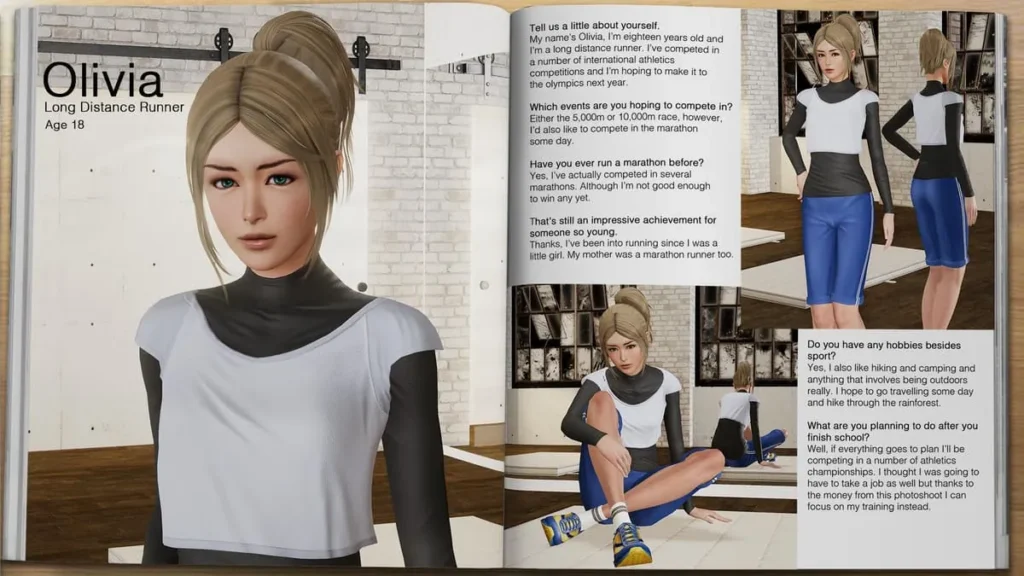


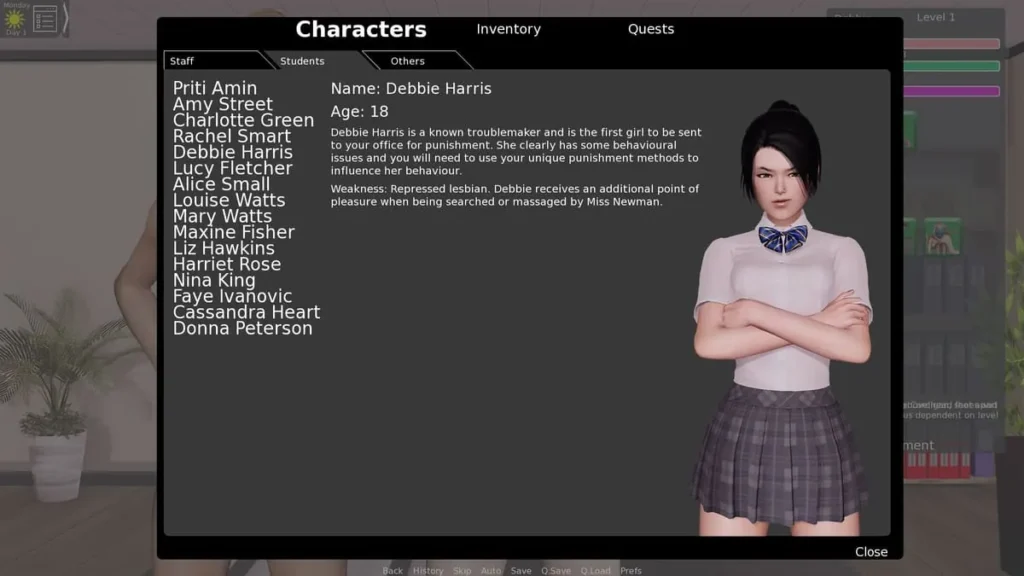
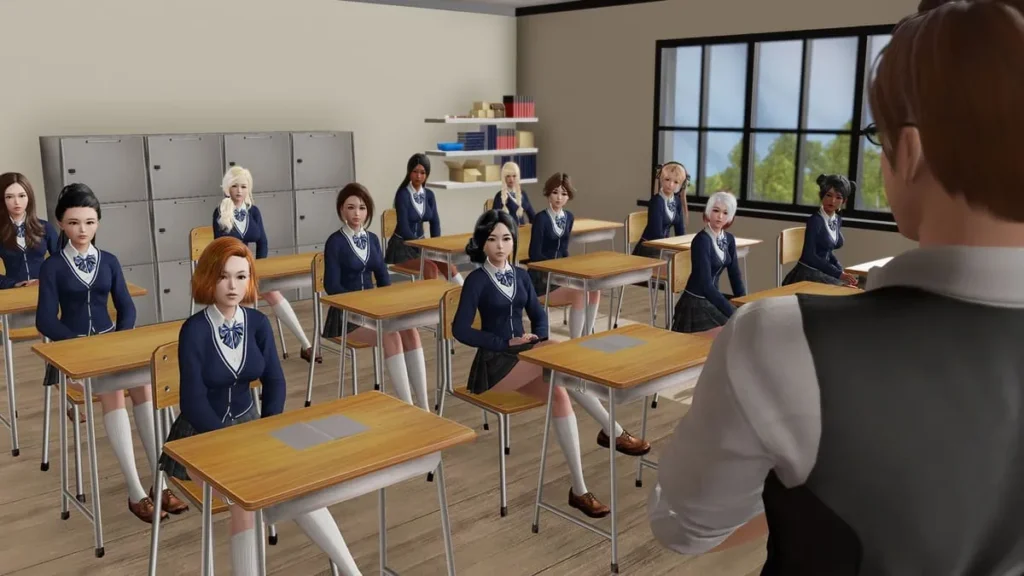
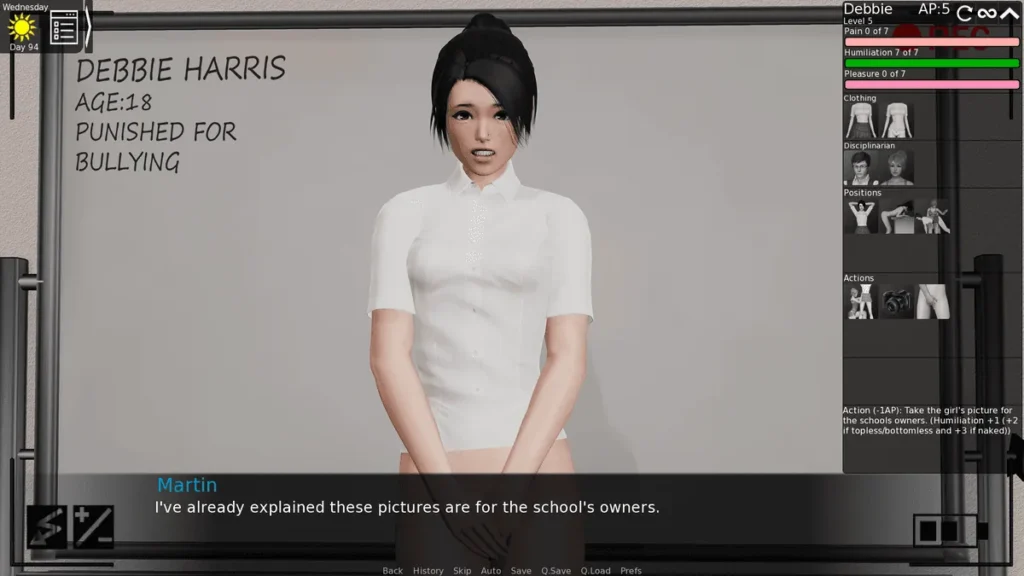
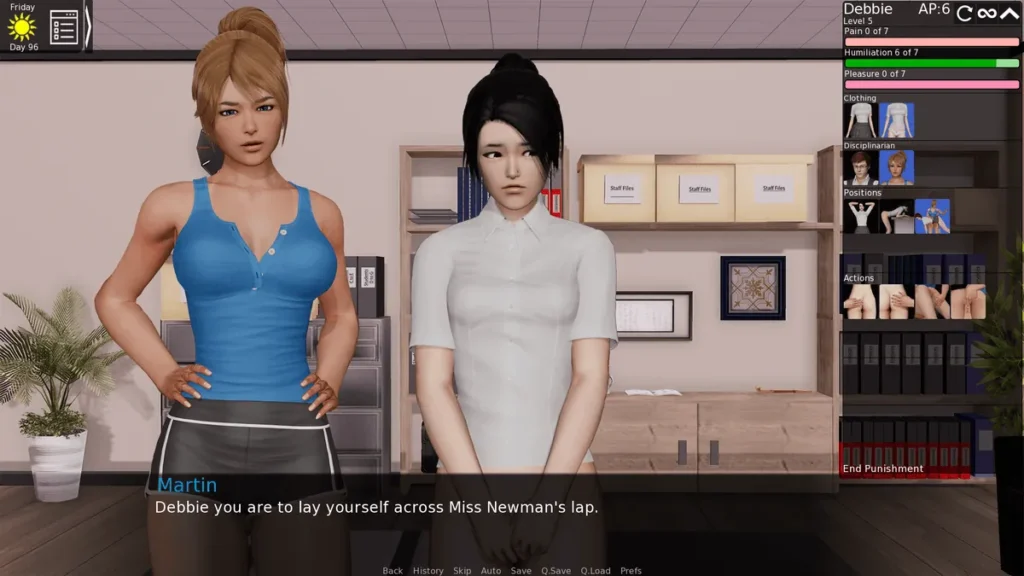
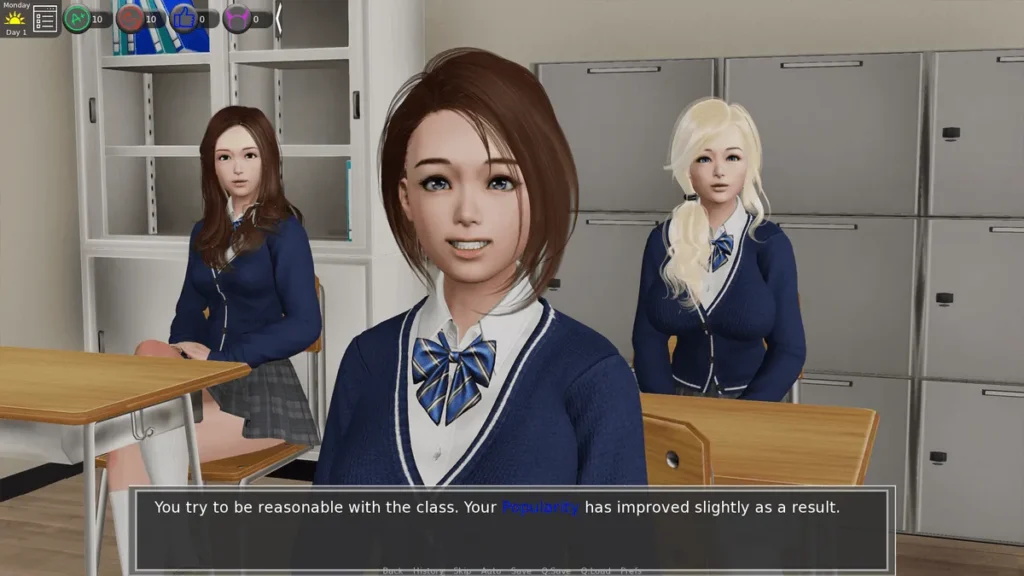
The Headmaster review
Explore mechanics, character development, and strategic gameplay in this narrative-driven visual novel
The Headmaster stands out as a uniquely ambitious visual novel that combines narrative depth with strategic gameplay mechanics. Unlike typical entries in its genre, this game features carefully developed characters, an intricate morality system, and immersive world-building that extends beyond surface-level interactions. Players take on the role of a newly appointed headmaster navigating complex relationships, moral choices, and school management systems. Whether you’re interested in understanding the game’s character roster, mastering its punishment and discipline mechanics, or uncovering hidden quests and events, this comprehensive guide covers everything you need to know about The Headmaster’s gameplay experience.
Understanding The Headmaster’s Core Gameplay Mechanics
Stepping into the polished shoes of The Headmaster can feel overwhelming at first. You’re handed the keys to a sprawling academy, a roster of students with wildly different needs, and a narrative that reacts to your every decision. I remember my first playthrough; I was so focused on chasing one character’s story that I let the school’s overall discipline crumble, leading to a cascade of negative events I couldn’t control. 😅 It taught me a hard lesson: in this world, you can’t just be a passive observer. You must be a strategist, a mentor, and sometimes, a moral compass.
This guide is here to help you master those roles. We’ll dive deep into the core systems that make the The Headmaster gameplay mechanics so uniquely engaging. From the crucial balance of discipline and grades to the subtle power of your moral choices, understanding these foundations is key to crafting your perfect story. Let’s begin your tenure.
How the Discipline and Grades System Works
Think of discipline as the engine oil for your school. Without it, everything grinds to a halt. The discipline system in The Headmaster isn’t just about punishing troublemakers; it’s a dynamic resource you cultivate to enable progress. Your primary tool is the School Discipline meter, which you raise by performing your duties—patrolling the halls, resolving incidents, and setting a firm tone. 🚨
Here’s where it gets strategic: this meter directly fuels academic success. When overall discipline is low, students underperform. But hit key thresholds, and you unlock powerful bonuses for grade progression. I learned to prioritize patrols in the early game, often sacrificing personal time to bump that meter up, because the payoff is massive.
Grades are your core measure of success and the main driver of the grades progression guide for your playthrough. Each student has an individual grade, and the school has an overall average. Your goal is to raise them. You can manually increase a student’s grade once per day, but there’s a catch: the cost and effectiveness are tied directly to the school’s discipline level.
This creates a beautiful, tense loop. A chaotic school makes it hard and expensive to improve grades. A disciplined school makes it efficient and rewarding. Let me give you a pro tip: always check the “Progress” report in your office. It shows which students are dragging the average down. Focusing your daily grade increases on these poor performers is often more impactful than boosting your top students.
The magic numbers are 60 and 80 on the discipline meter. Hitting 60 allows you to give two grade increases per day instead of one. Reaching 80 lets you give a double increase to a single student, which is a game-changer for turning a failing pupil around overnight. The table below breaks down these critical thresholds and their benefits.
| Discipline Threshold | Effect on Grade Progression | Gameplay Benefit |
|---|---|---|
| Below 60 | Can give one standard grade increase per day. | Focus on building discipline through patrols and events. |
| 60 or Higher | Unlocks the ability to give TWO grade increases per day. | Dramatically accelerates academic progress across the school. |
| 80 or Higher | Unlocks “Double Increase” for one student per day. | Critical for rescuing failing students or pushing a key pupil to excellence. |
Managing this loop is your first major test. Neglect discipline, and your academic goals become a uphill battle. Master it, and you create a virtuous cycle of improvement that opens up new narrative and character opportunities.
Navigating the Morality System and Player Choices
If discipline is the engine, then morality is the steering wheel. This is where The Headmaster truly shines as a morality choices visual novel. You are constantly presented with decisions that shape not only how characters perceive you, but also the very kind of leader you are becoming. There is no simple “good vs. evil” meter here. Instead, you navigate a spectrum of pragmatic, principled, opportunistic, and sometimes compromising choices.
Early on, a staff member might ask you to overlook a minor infraction for a “favor” later. Do you uphold the rules strictly, or do you build political capital? A student might confide a secret that puts you in a difficult position with another character. Your choices in these moments define your headmaster’s soul. I once played a strictly by-the-book administrator, and while it was rewarding to see order prevail, I locked myself out of several intriguing, messy, and very human storylines. 🔐
These morality choices are deeply woven into the character interaction system. How you handle a situation with one person will affect your reputation with others, sometimes in ways you don’t expect. Building trust with a student might require a choice that alienates a teacher. This creates authentic, branching narratives where no two playthroughs are identical.
Your moral stance also influences your access to influence points, a vital secondary currency. Gained through key decisions and quest completions, these points gate access to special scenes, unlock deeper dialogue options, and can even alter the outcome of critical events. “Farming” influence points isn’t about grinding; it’s about committing to a consistent character role and seeing the consequences of that path through. A pragmatic headmaster who makes deals will earn influence in different circles than an idealistic one.
My Insight: Don’t try to game the morality system on your first run. Pick a role that feels interesting—the compassionate mentor, the shrewd politician, the strict disciplinarian—and stick with it. The most satisfying stories come from embracing the consequences of your chosen path, not from reloading saves to get a “perfect” outcome.
Managing School Operations and Daily Activities
Your daily schedule is the canvas on which you paint your story. Managing school operations in The Headmaster is a delicate juggling act between administrative duties, personal pursuits, and the unpredictable lives of your students and staff. Each day, you choose how to spend your time slots: morning, afternoon, and evening.
This structure is central to the quest walkthrough for The Headmaster. Quests are divided into main plot threads, staff quests, and student quests. Progress in any quest typically requires you to be in the right place at the right time to trigger a conversation or event. I learned the hard way that if you spend a week solely in your office doing paperwork, you’ll miss crucial story triggers happening in the gardens, dormitories, or town. 🏫
- Main Quests: Drive the central narrative. Advance these by following clues and meeting objectives, which often require specific timing or prior completion of other tasks.
- Staff Quests: Involve the teachers and other employees. These often provide valuable benefits, like improvements to school operations or deeper insights into the academy’s secrets.
- Student Quests: Focus on individual pupils. Helping them is key to improving their grades and unlocking their personal stories, which are some of the game’s most rewarding content.
Your choices during “off-time” are equally important. The game simulates a living world; characters have their own schedules and relationships. Monitoring what students do during their free time (through reports and observation) can reveal new quest opportunities or warn you of potential problems. If two students with a rocky relationship are both scheduled to be in the library at the same time, you might want to swing by to prevent—or witness—an incident.
Here are some common questions about managing this daily dance:
How do daily activities affect which events I see?
Events are triggered by a combination of location, time of day, story progression, and your relationships. If a quest requires you to meet a character privately, you’ll need to find them in a location where they’re alone during a time slot you’re free. The game’s calendar and your relationship notes are your best friends for planning this.
Why are some characters unavailable sometimes?
Characters have their own lives! They might be teaching a class, studying in their room, or visiting town. Their availability is often hinted at in dialogue or your notebook. A big part of the character interaction system is learning their routines and finding the right moments to connect.
What’s the best way to balance everything?
You can’t do it all in one day—or even one week. My actionable advice is to focus on one or two primary goals per in-game week. For example, Week 1: Boost discipline to 60 and start a specific student’s quest. Week 2: Maintain discipline and work on a staff quest. This rhythmic approach prevents overwhelm and ensures steady progress across all fronts.
Mastering The Headmaster gameplay mechanics is about embracing your role as the central force in a dynamic, reactive world. By understanding the direct link between discipline and grades, making conscious moral choices that shape your story, and strategically managing your daily operations to advance quests, you transform from a simple player into the true Headmaster. Your unique blend of authority, morality, and strategy will write a story that is distinctly yours. Now, go forth and shape your academy. 👨🏫
The Headmaster distinguishes itself through thoughtful character development, meaningful player choice, and layered gameplay systems that reward exploration and strategic thinking. The game’s commitment to giving each character distinct personalities, backstories, and narrative arcs creates an engaging experience that transcends typical visual novel conventions. From mastering the discipline and grades mechanics to uncovering hidden questlines and secret character events, The Headmaster offers substantial depth for players willing to engage with its systems. The morality framework allows for genuine roleplay experiences where your approach to the headmaster role shapes the entire narrative. Whether you’re pursuing specific character relationships, optimizing your progression, or discovering alternative endings, understanding these core systems and strategies will significantly enhance your gameplay experience. The game continues to evolve with developer updates, making it worth revisiting as new content and refinements are added.