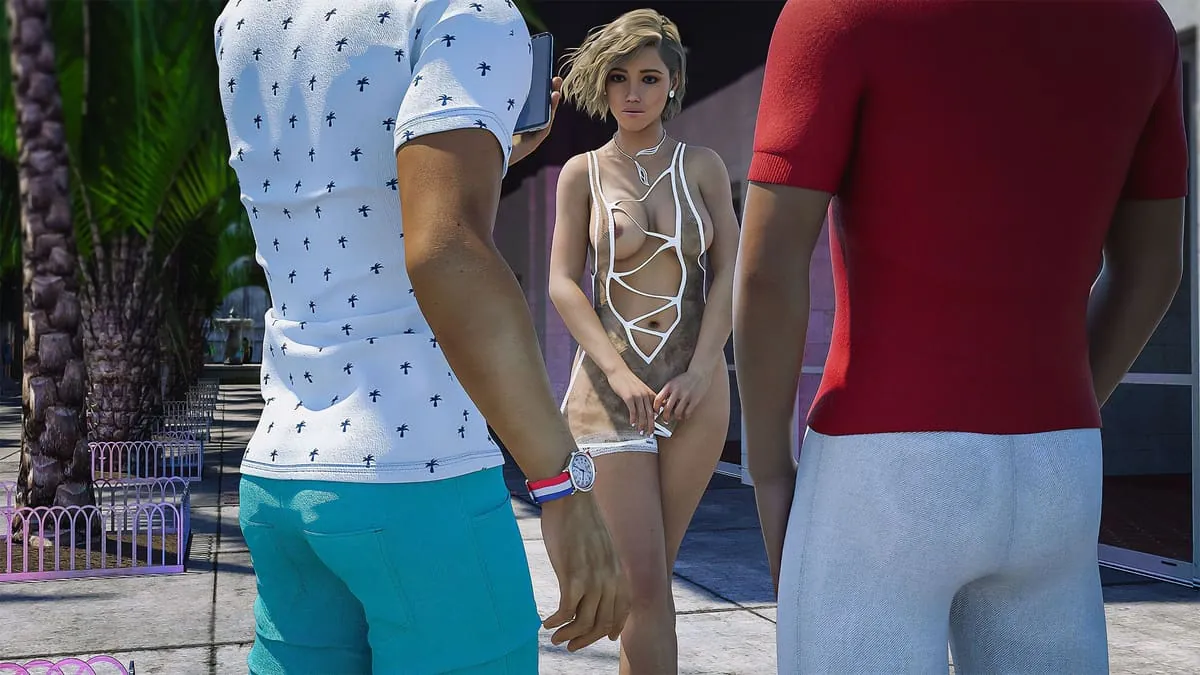
The Theater of Sinners
Play The Theater of Sinners
The Theater of Sinners Screenshots
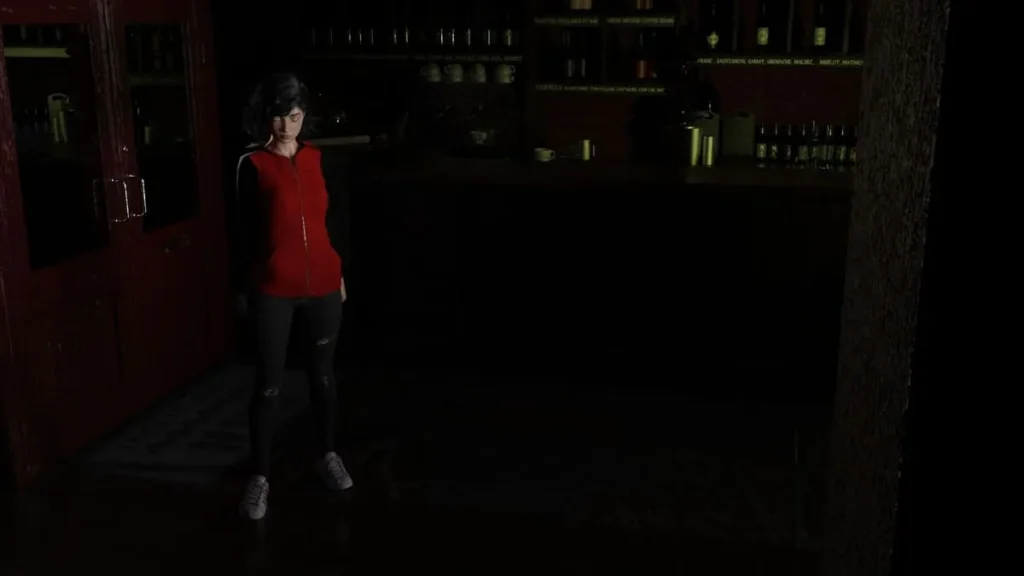
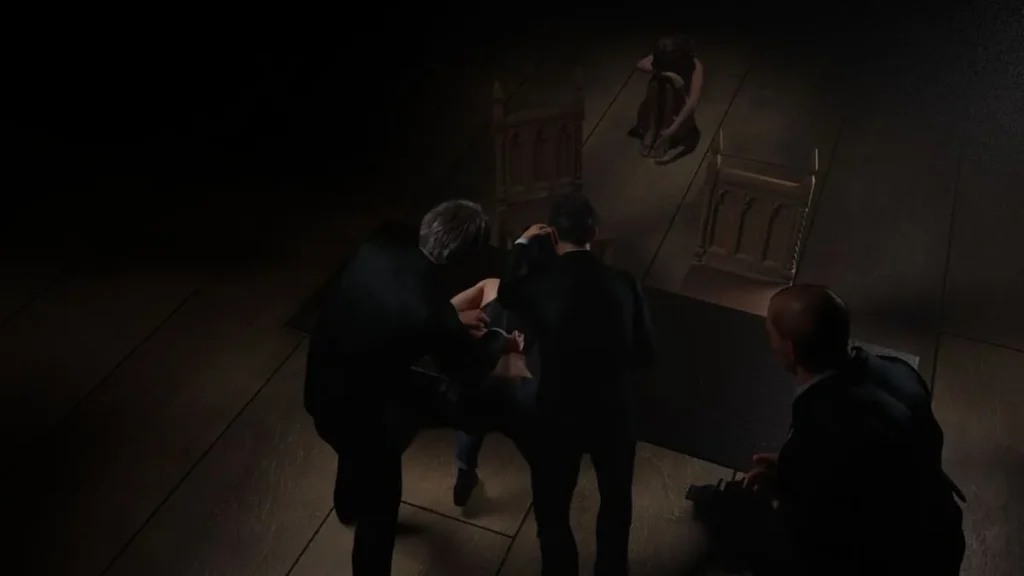
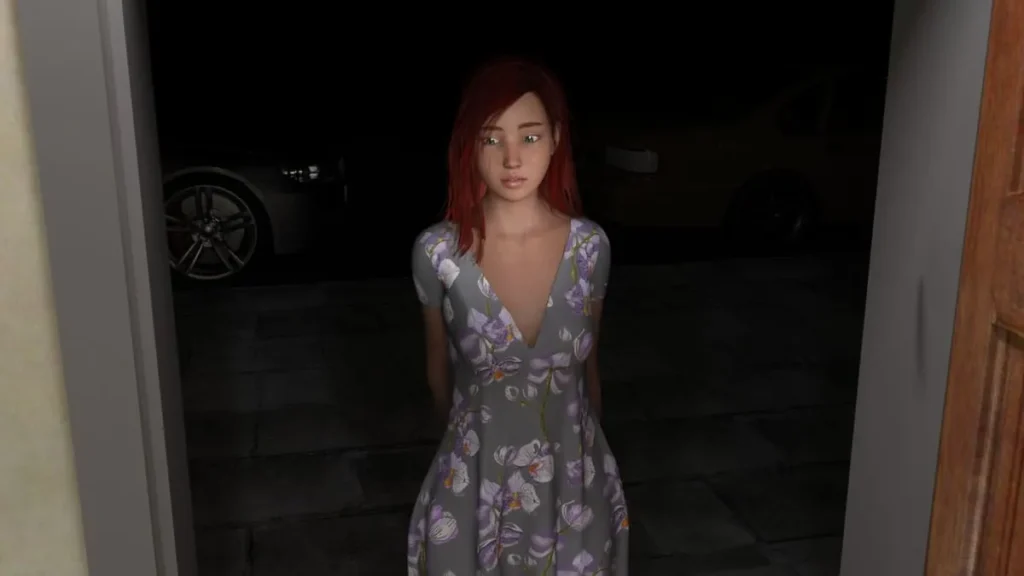
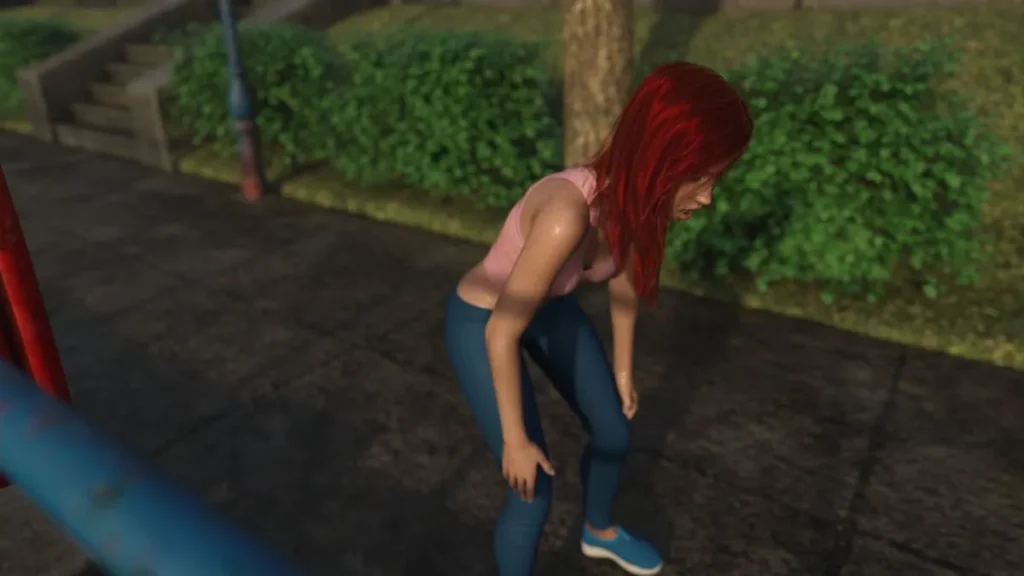
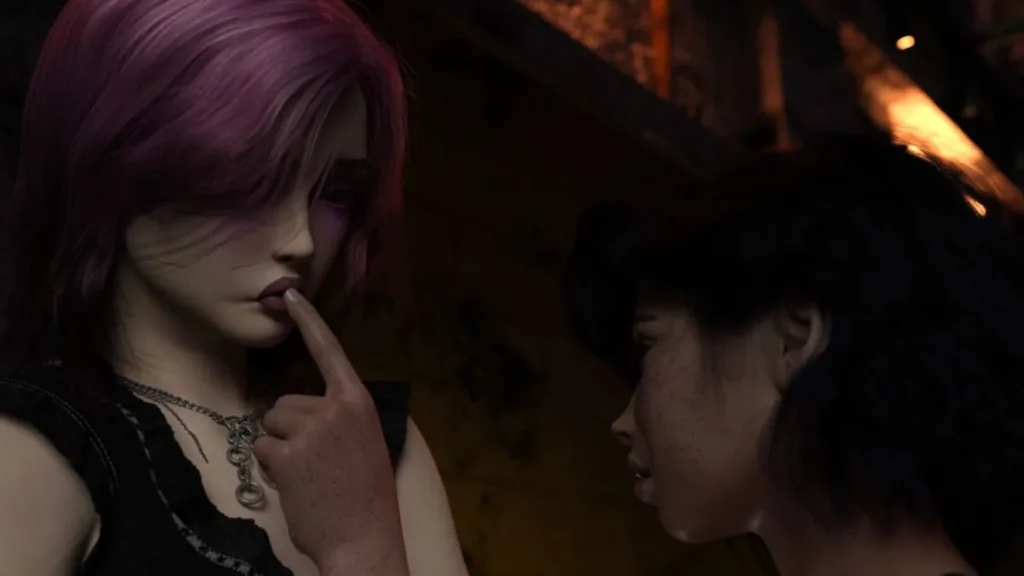

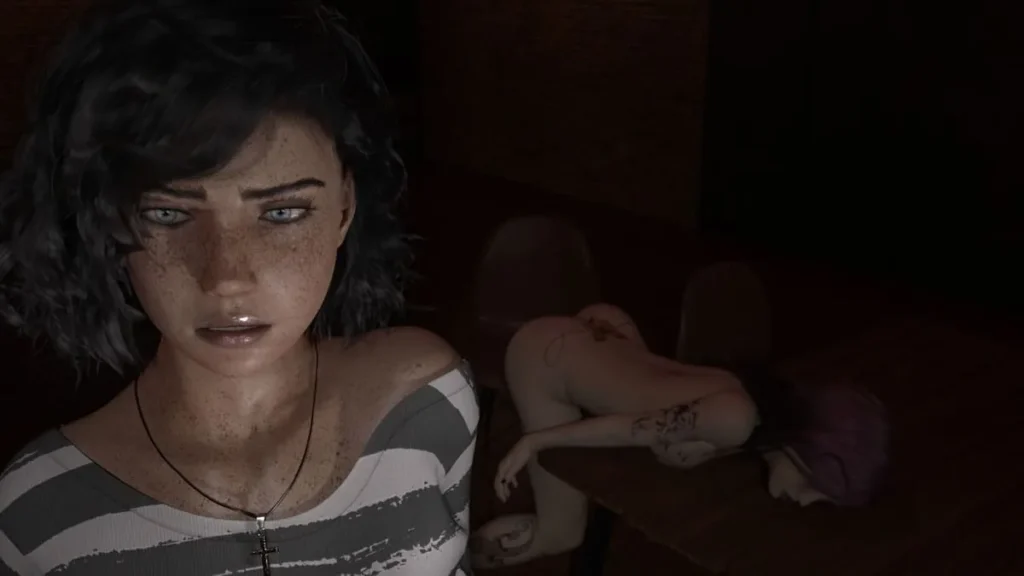


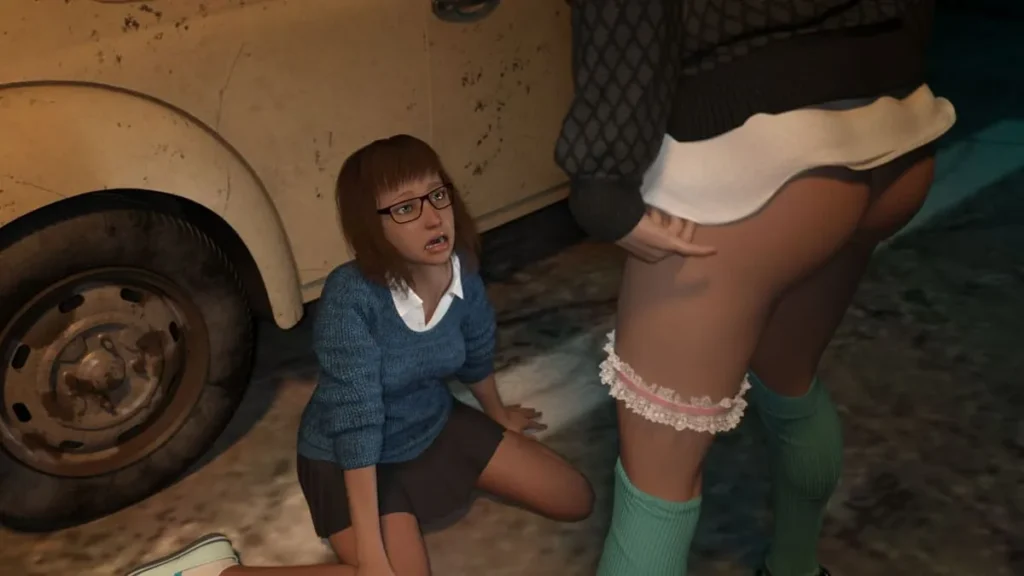
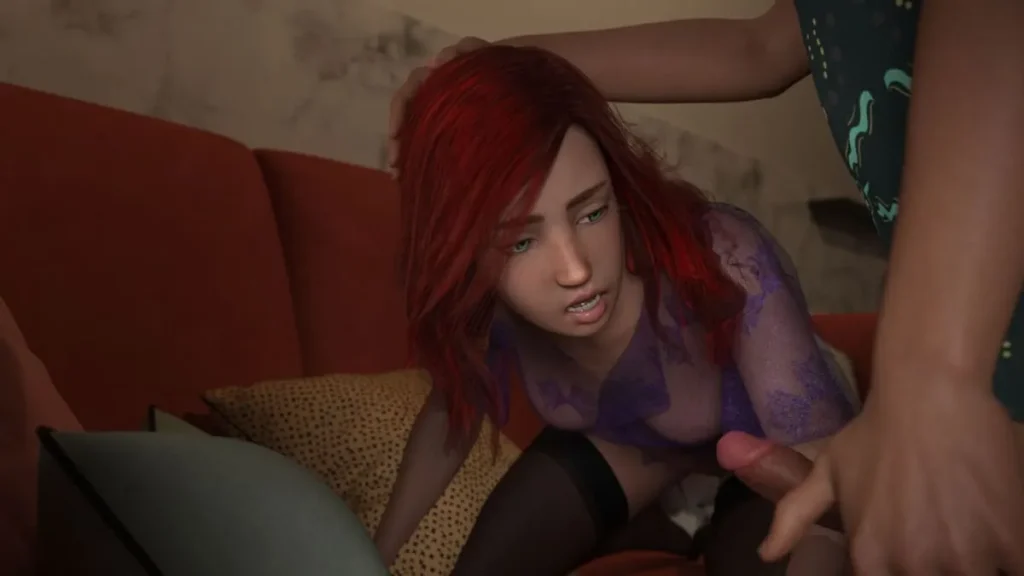
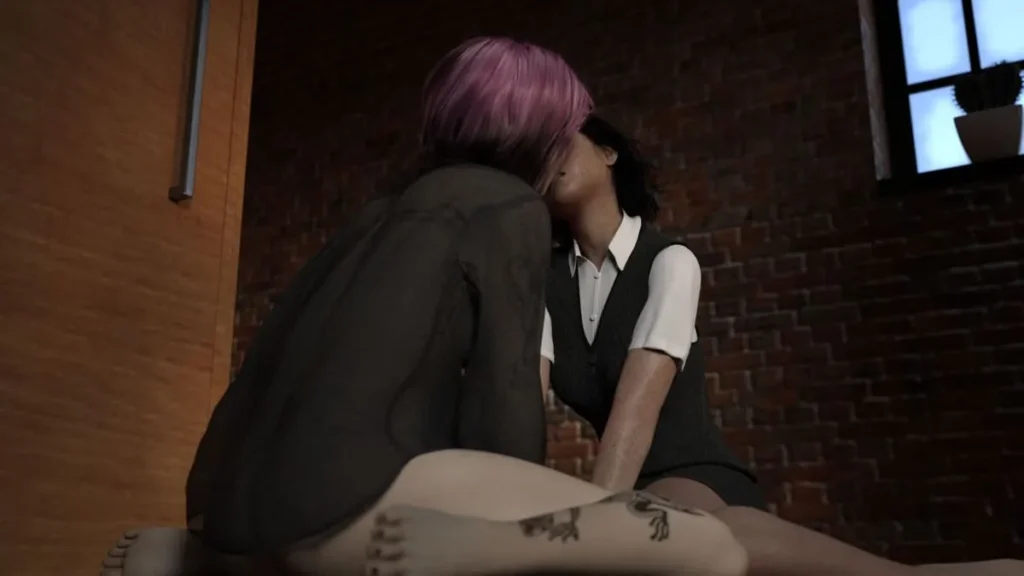
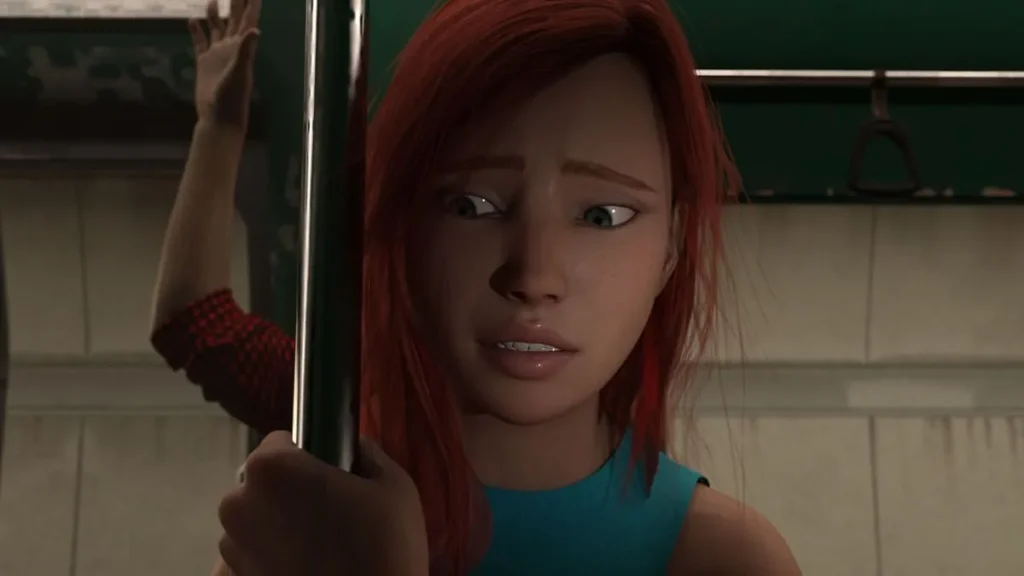
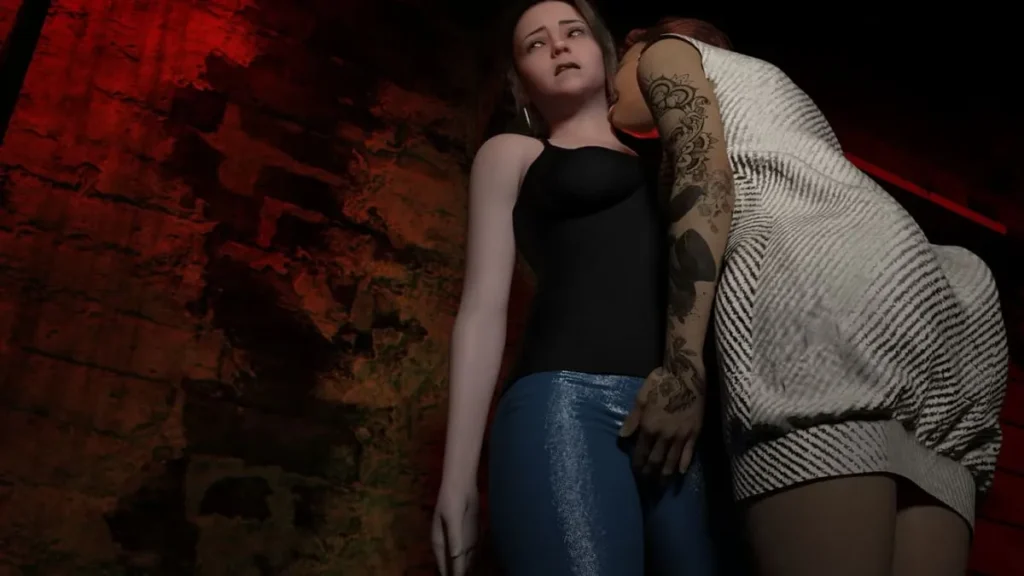
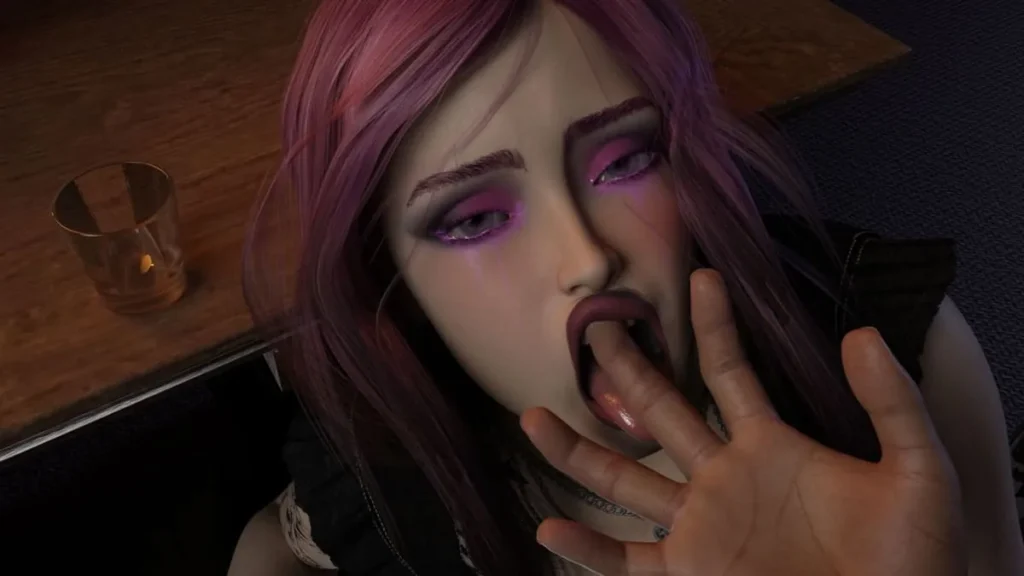
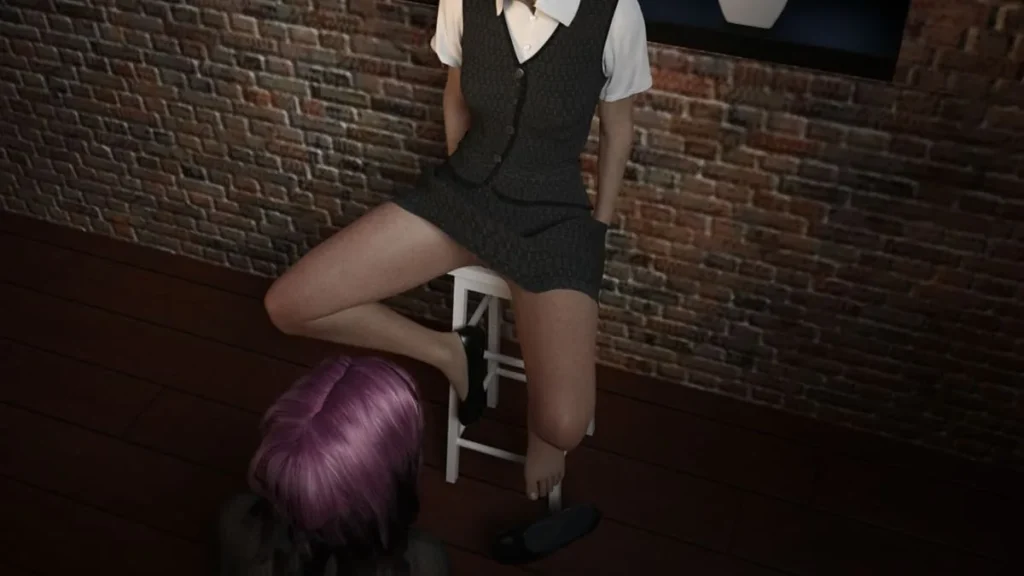
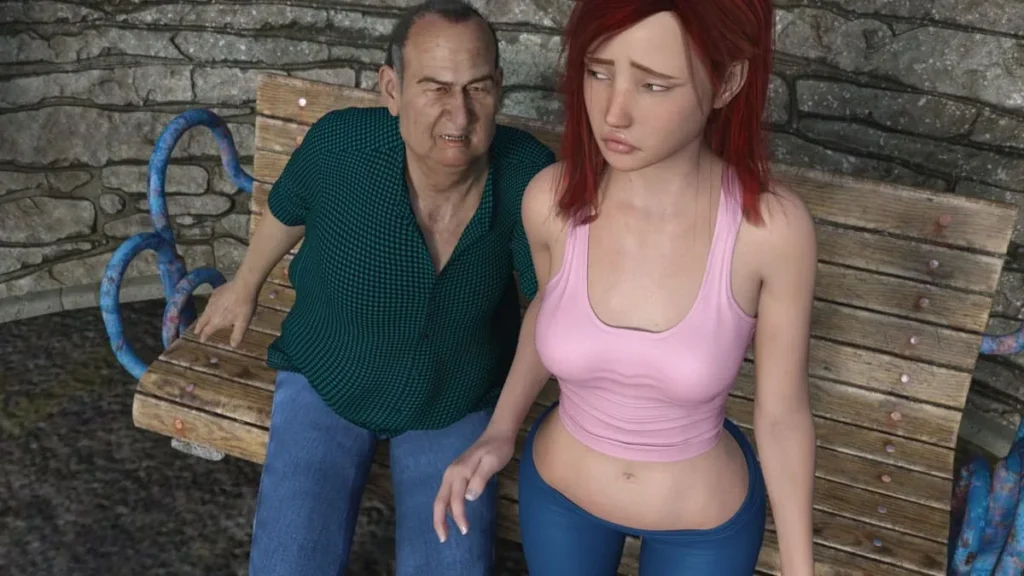
The Theater of Sinners review
Explore the dark narrative, complex characters, and decision-driven gameplay that define this mature visual novel
The Theater of Sinners stands out as a decision-driven psychological fantasy experience that challenges conventional storytelling in interactive media. Developed by JustXThings and released in August 2023, this mature visual novel immerses players in a morally ambiguous world where choices carry genuine consequences. Unlike traditional games with clear moral paths, The Theater of Sinners presents a complex narrative centered on humiliation, corruption, and redemption. The game follows multiple protagonists navigating their personal struggles within an atmospheric, character-driven story. Whether you’re drawn to intricate narratives, psychological depth, or branching storylines, understanding what this game delivers helps determine if it aligns with your gaming preferences.
Understanding The Theater of Sinners: Core Gameplay and Narrative Structure
If you’ve ever felt like most games in the mature storytelling space are all flash and no substance, you’re not alone. 😮💨 I’ve clicked through my share of titles where the “choices” are illusory and the characters feel like hollow cutouts. That’s why discovering The Theater of Sinners was such a revelation for me. This isn’t just another adult game; it’s a meticulously crafted psychological fantasy experience that demands your emotional and intellectual engagement. Built on the versatile Ren’Py engine, it leverages that foundation not for simplicity, but for profound branching storyline mechanics that genuinely respect your agency.
At its heart, The Theater of Sinners gameplay is about the weight of decisions. Every click, every selected dialogue option, isn’t just about advancing text—it’s about shaping souls and destinies. This is a character-driven narrative game in the truest sense, where plot emerges from the complex, often damaged, people you guide. Available on Windows, macOS, and Linux, it invites you into a non-linear narrative woven with frequent flashbacks, asking you to piece together a haunting past to understand a fraught present. Forget jump scares; the horror here is existential, built on psychological dread and the uncomfortable intimacy of witnessing characters at their most vulnerable.
What Makes This Visual Novel Unique in the Adult Gaming Space
So, what sets this interactive adult visual novel apart? It’s the unflinching commitment to its themes and the maturity with which it handles them. 👁️🗨️ Many games use mature content as a lure, but The Theater of Sinners integrates its exploration of power dynamics, trauma, and difficult relationships as the core fabric of its narrative. The game delves into themes of control, vulnerability, and the complex spectrums of desire and pain, not for sensationalism, but for raw human examination.
The developer’s note—that the game is and will remain free—speaks volumes. This is a project driven by a passion to tell a story, compared to the act of drawing or writing a book. That artistic intention is palpable. You’re not playing a product designed for mass market appeal; you’re engaging with a personal, challenging piece of fiction. The psychological fantasy game elements aren’t about escapism into power, but often into powerlessness, forcing you to sit with discomfort and challenge your own judgments.
The narrative structure itself is a masterstroke. Instead of following one protagonist, you navigate four interleaved stories. These aren’t isolated tales; they connect, reflect, and collide with one another, creating a rich tapestry where a decision in one thread can subtly echo in another. This approach makes the world feel cohesive and real, emphasizing that our actions are never truly isolated. The game prioritizes this deep, character-driven narrative over any action-based gameplay, making your primary tool not a weapon, but empathy (or a deliberate lack thereof).
Decision-Based Mechanics and Story Branching Systems
This is where The Theater of Sinners gameplay truly shines. Your agency is real, and the consequences are permanent. 🎭 There’s no quick save/quick load scumming here to see all outcomes guilt-free. The game remembers, and it makes you live with your choices, creating a powerful sense of responsibility. The branching storyline mechanics are not about picking “good” or “evil” from a menu. They are woven into seemingly ordinary dialogue, moments of hesitation, and decisive actions.
Choices primarily influence two key areas: narrative direction and character stats. A stat might represent a character’s resilience, their submission, their trust, or their despair. Raising these stats through your decisions doesn’t just unlock new dialogue—it fundamentally alters how characters perceive the protagonist and what paths become available (or closed off) later. Some choices are glaringly significant, while others are deceptively subtle, a quiet remark that seeds a major conflict hours later.
Tip from a Player: I learned the hard way that playing story events in a different order on a second playthrough yielded completely different outcomes. A character I had befriended one way became hostile another, simply because they encountered me in a different emotional state based on what I’d just experienced elsewhere. The non-linear narrative is a puzzle box of cause and effect.
Let me give you a concrete example of The Theater of Sinners story choices in action. Early on, you might encounter a character who has been humiliated. You are given a choice: to publicly defend them (risking the aggressor’s wrath), to privately offer comfort later, or to silently observe and do nothing. The “obvious” kind choice might raise a ‘Compassion’ stat but lower a ‘Prudence’ stat, potentially making you a target. The private comfort might build a deeper, secret bond. Doing nothing might preserve your immediate safety but cripple that character’s ‘Trust’ stat permanently.
This single decision can branch the story toward harsher or gentler outcomes. Defend them, and you may earn a fierce ally but make a powerful enemy who sabotages you later. Say nothing, and the victim may spiral into deeper despair, closing off their brighter story paths entirely. The game doesn’t telegraph this; you feel the ripple effects chapters later. This is the essence of a true decision-based visual novel.
To break down how these systems interact, let’s look at the mechanics in detail:
| Decision Types | Story Impact | Character Stat Changes | Outcome Variations |
|---|---|---|---|
| Overt Moral Choices (e.g., Intervene or Ignore) | Immediate scene shift; can lock/unlock major plot branches | Large shifts in stats like Conviction, Mercy, or Ruthlessness | Determines key character survival, alliances, and ending gates |
| Subtle Dialogue Shifts (e.g., Tone of a question) | Alters character rapport and available information later | Small increments in stats like Trust, Suspicion, or Affection | Changes the flavor of relationships and minor story beats |
| Order of Event Exploration | Changes context for future interactions; non-linear narrative effect | Influences starting stat values for subsequent encounters | Can lead to unique, order-specific scenes and conclusions |
| Flashback Interactions | Re-contextualizes present-day relationships and motivations | Sets foundational stats that define present-day character behavior | Reveals alternate perspectives on “established” past events |
Character Development and Psychological Depth
If the branching storyline mechanics are the skeleton of the game, then the characters are its bleeding heart. ❤️🩸 This isn’t a story about heroes and villains. It’s a story about sinners, victims, and the often blurry line between the two. The game’s great achievement is forcing you, as the player, to see the humanity in deeply flawed individuals. You may be repulsed by a character’s actions, only to later control them in a flashback and understand the chain of humiliations that forged their present self.
Each of the four protagonists is a complex study. The psychological fantasy game elements allow their inner worlds—their fears, fantasies, and traumas—to manifest in the narrative and aesthetic. You don’t just read that a character is haunted; you experience their disjointed memories and anxious perceptions through the game’s presentation. The Ren’Py psychological fantasy game framework is used masterfully to visualize psychological states, making the internal, external.
This deep character-driven narrative game structure means that plot progression is inextricably linked to emotional progression. A character won’t confess a crucial secret because you’ve reached a certain location; they’ll do it because your cumulative choices have raised their ‘Trust’ or ‘Desperation’ stat to a breaking point. Their development feels earned, not scripted. You are an active participant in their corruption, their healing, or their destruction.
The game explores intense relational dynamics with a seriousness that is rare. It doesn’t glorify but examines, presenting scenarios that challenge the player’s comfort and ethics. This atmospheric horror doesn’t come from monsters, but from the potential for human cruelty and the fragility of the spirit. You become invested not in “winning,” but in understanding, and in navigating the delicate ecosystem of each character’s psyche.
Ultimately, The Theater of Sinners is a landmark in interactive adult visual novel storytelling because it trusts its audience with complexity and consequence. Its gameplay is a continuous dialogue between your conscience and the game’s challenging world. Every story choice is a brushstroke on a canvas that is equally beautiful and grim, asking not “what power do you want?” but “what person will you choose to be, and what world will your choices create?” It’s an exhausting, exhilarating, and unforgettable experience that redefines what the genre can achieve. 🎬✨
The Theater of Sinners represents a distinctive entry in the visual novel genre, prioritizing psychological depth and meaningful player agency over conventional gameplay mechanics. The game’s commitment to consequence-driven storytelling, complex character development, and morally ambiguous narratives creates an experience that challenges players to confront uncomfortable themes and make decisions with lasting impact. With its compelling artwork, well-crafted dialogue, and interconnected protagonist stories, the game offers substantial narrative value for players seeking mature, character-driven experiences. Whether you’re exploring themes of corruption and redemption, investigating psychological horror elements, or engaging with branching storylines, The Theater of Sinners delivers a thoughtfully constructed interactive narrative. If you appreciate games that prioritize story over action and aren’t deterred by mature content, this free-to-play visual novel deserves your attention. Start your journey into this atmospheric world and discover how your choices shape the destinies of its complex characters.