SnowStorm
Play SnowStorm
SnowStorm Screenshots




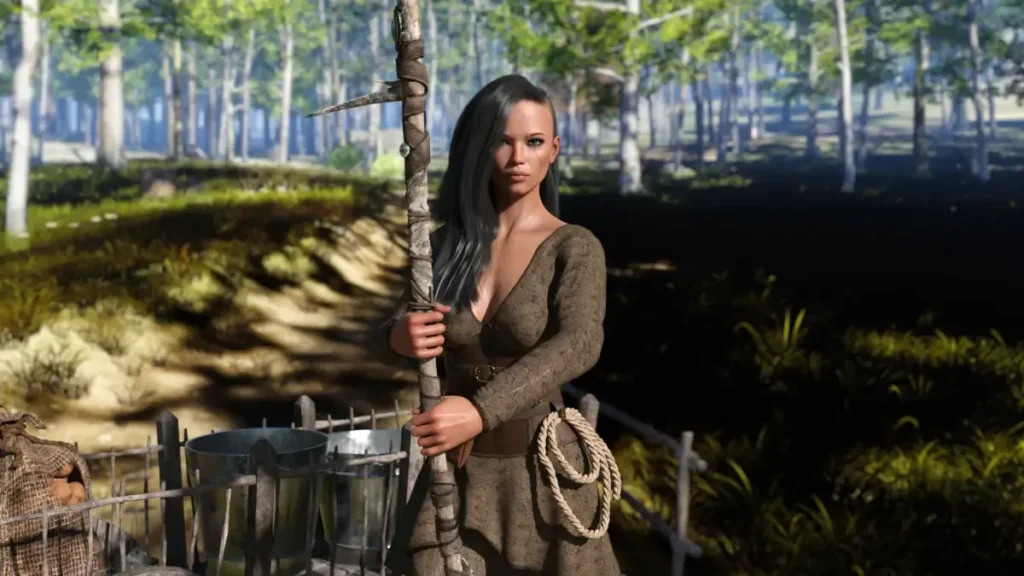
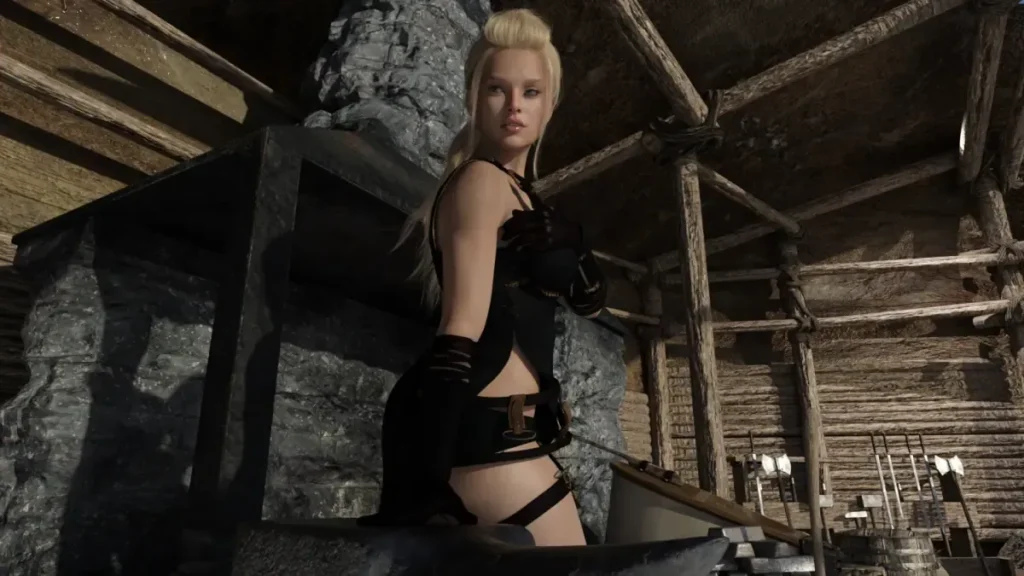
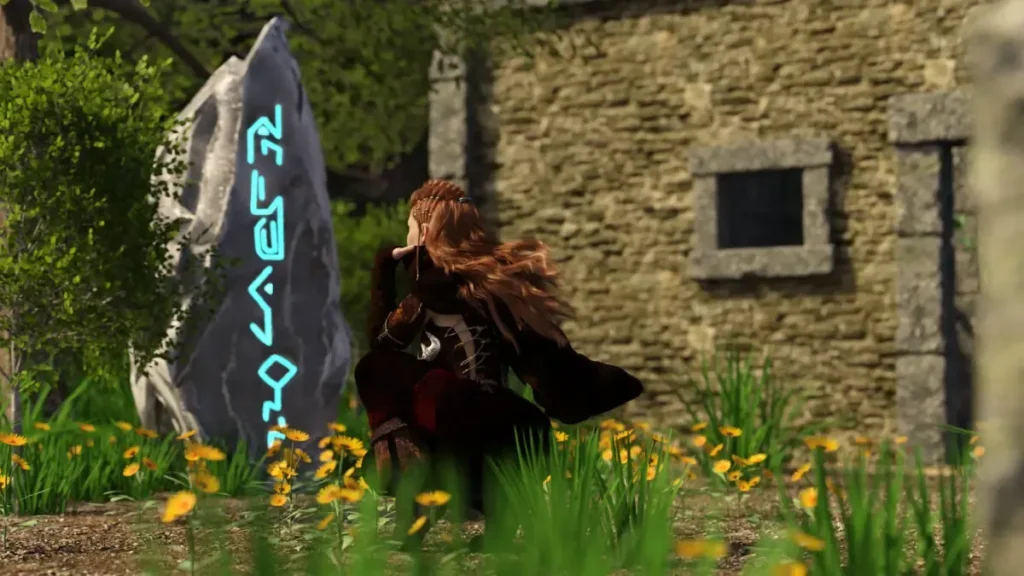
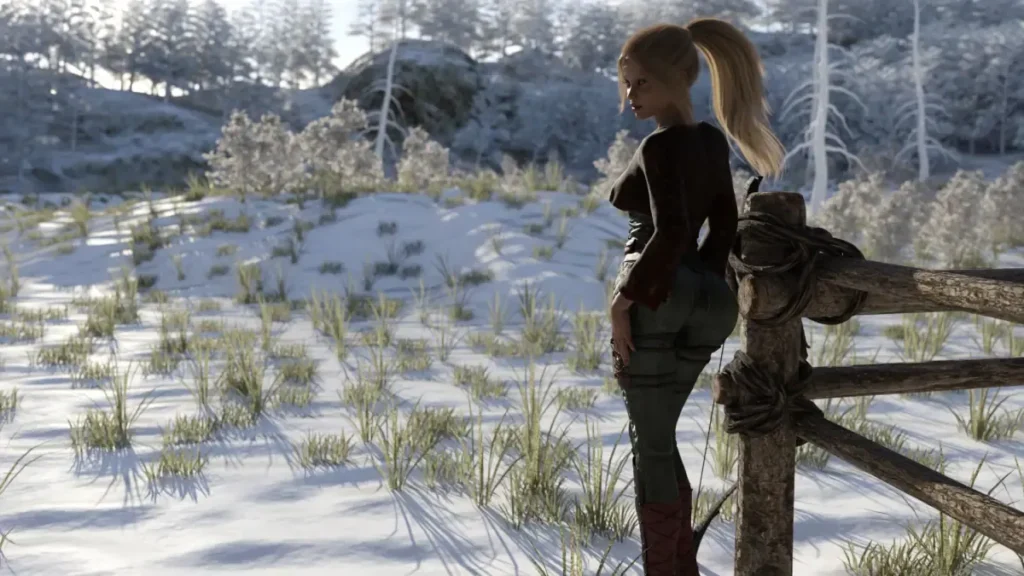


SnowStorm review
Discover the choice-driven narrative, survival elements, and beautiful characters in SnowStorm
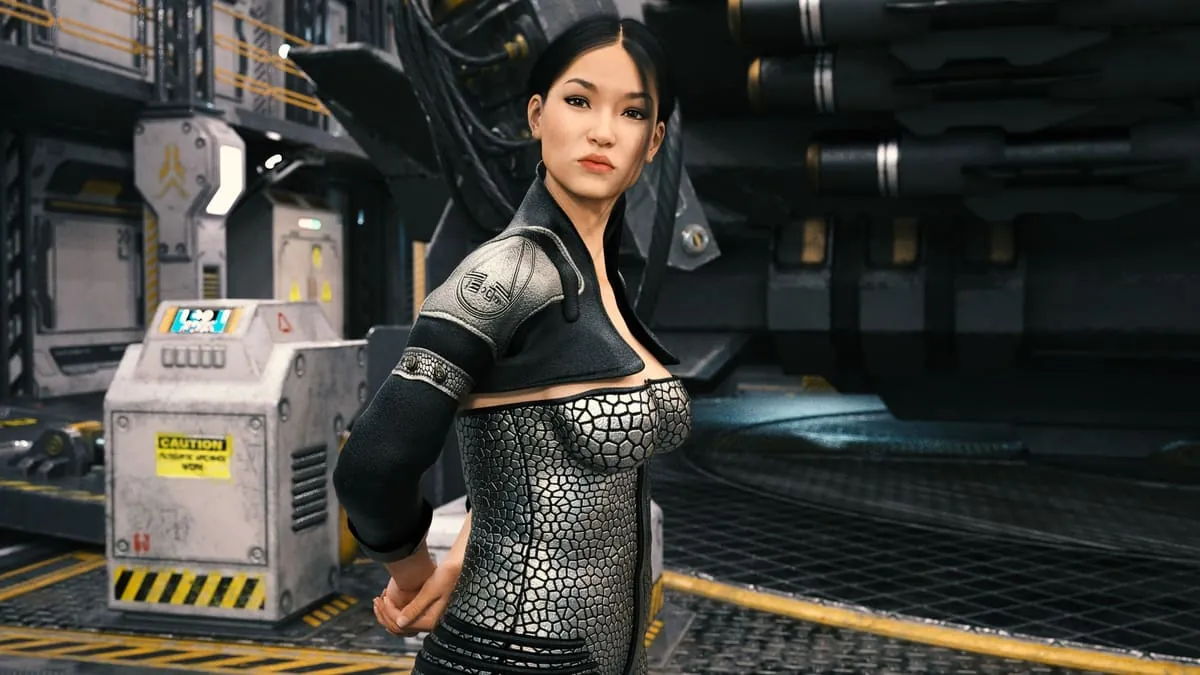
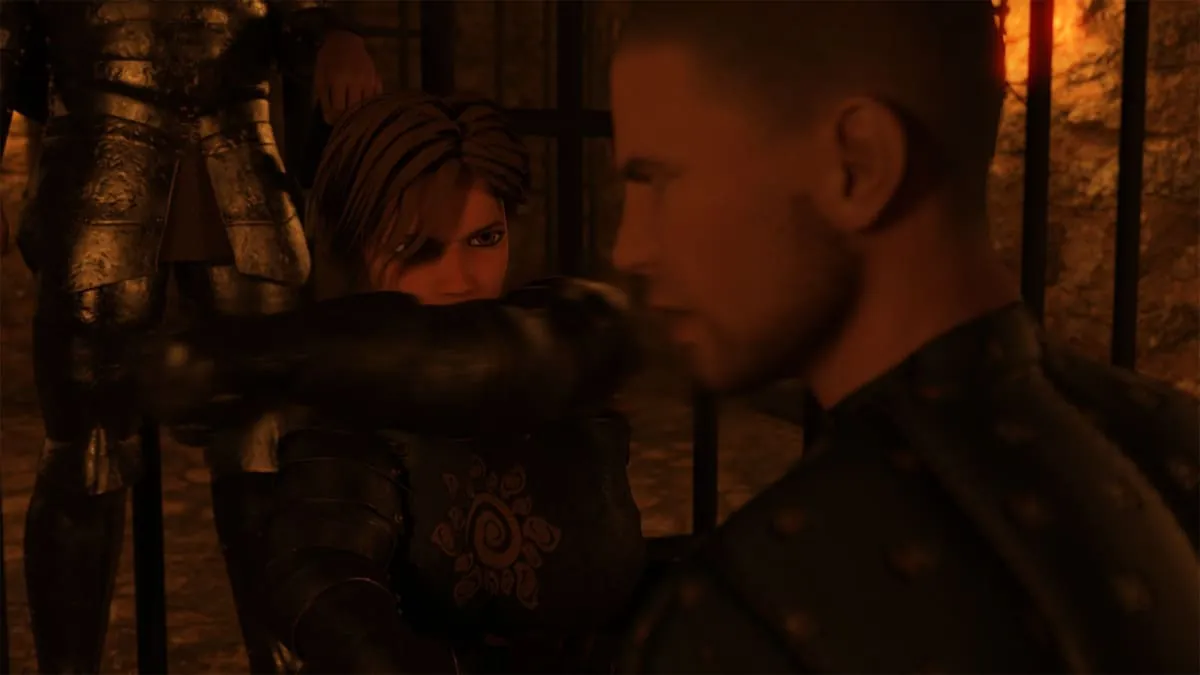
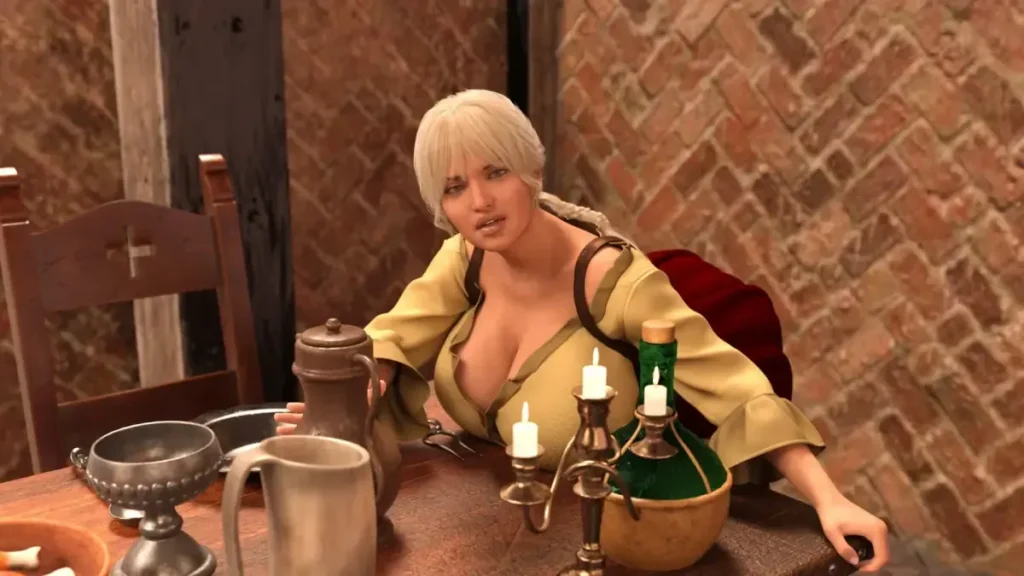
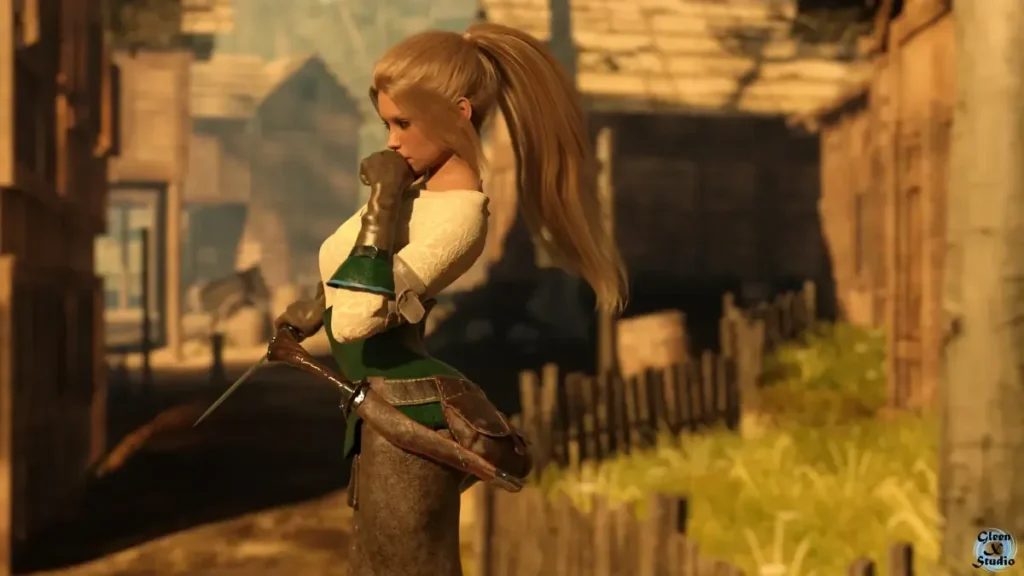
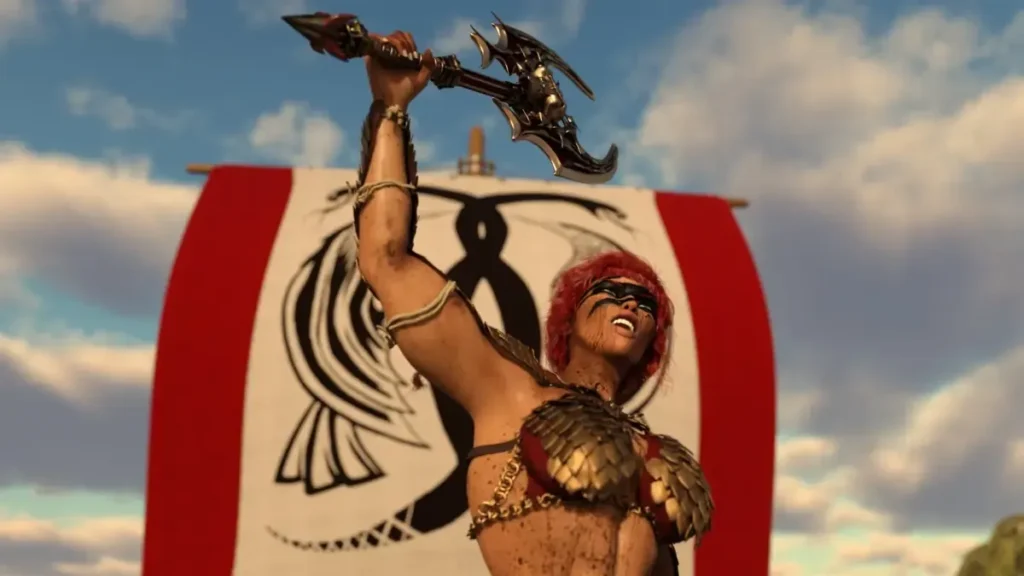
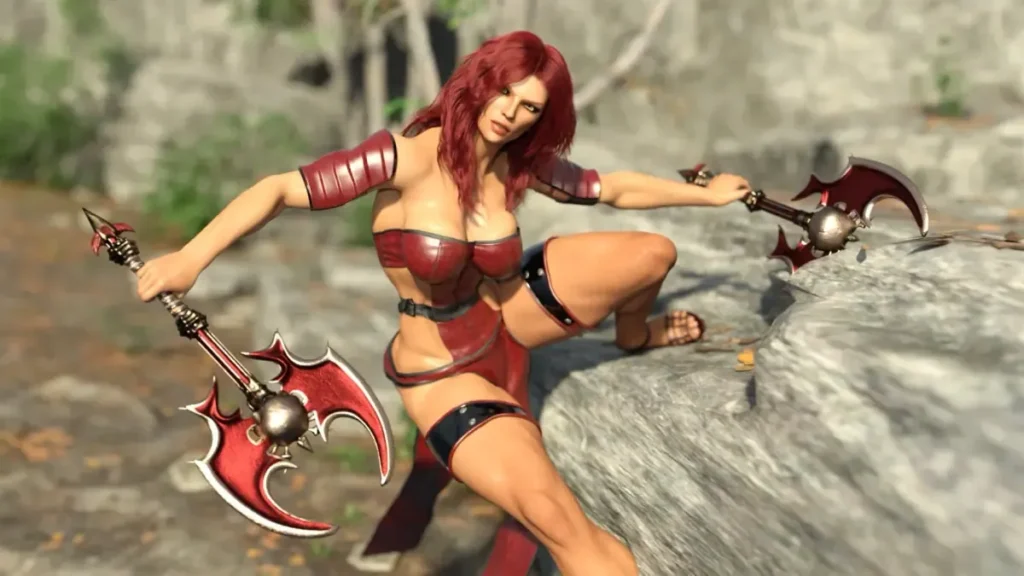
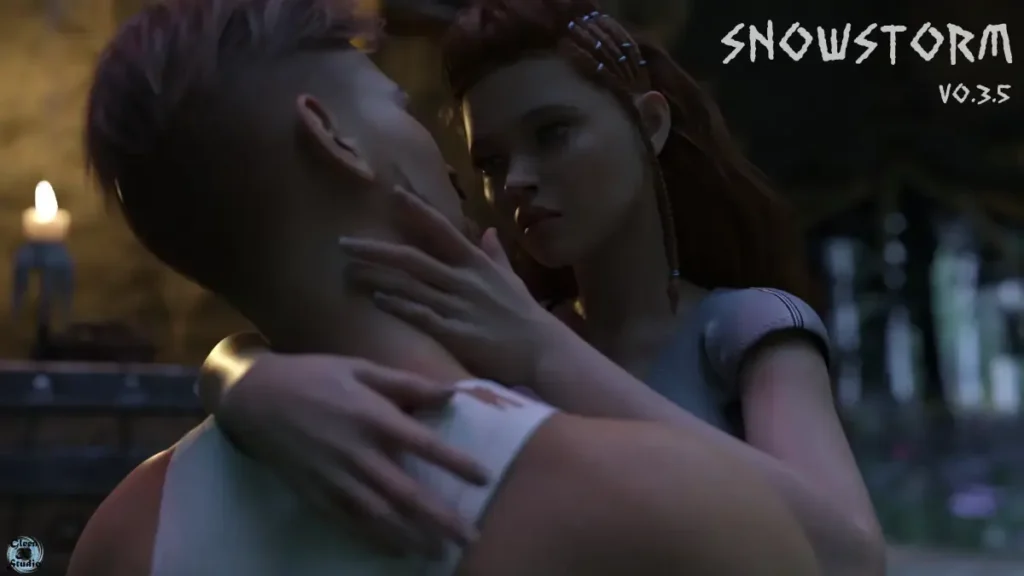
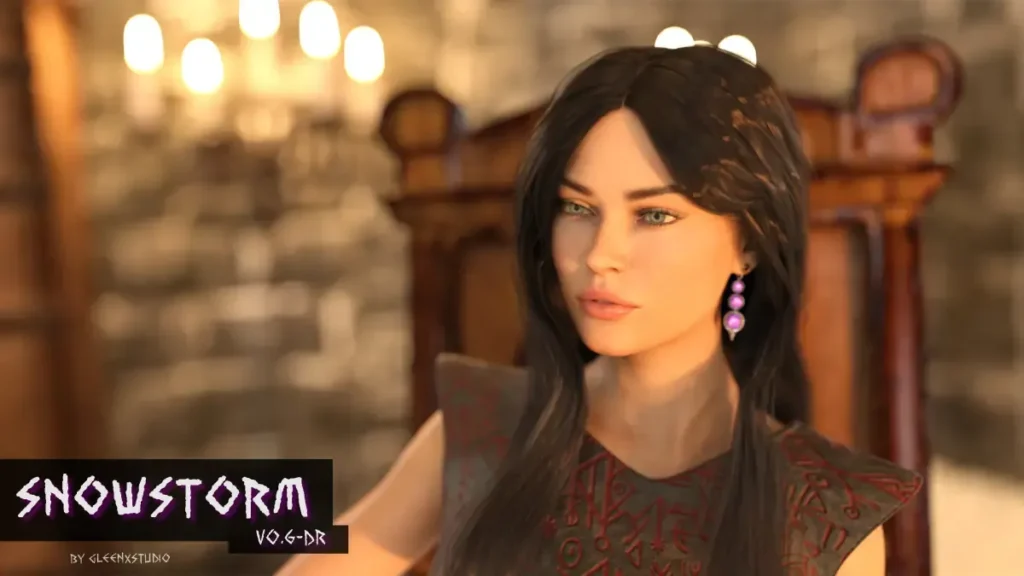
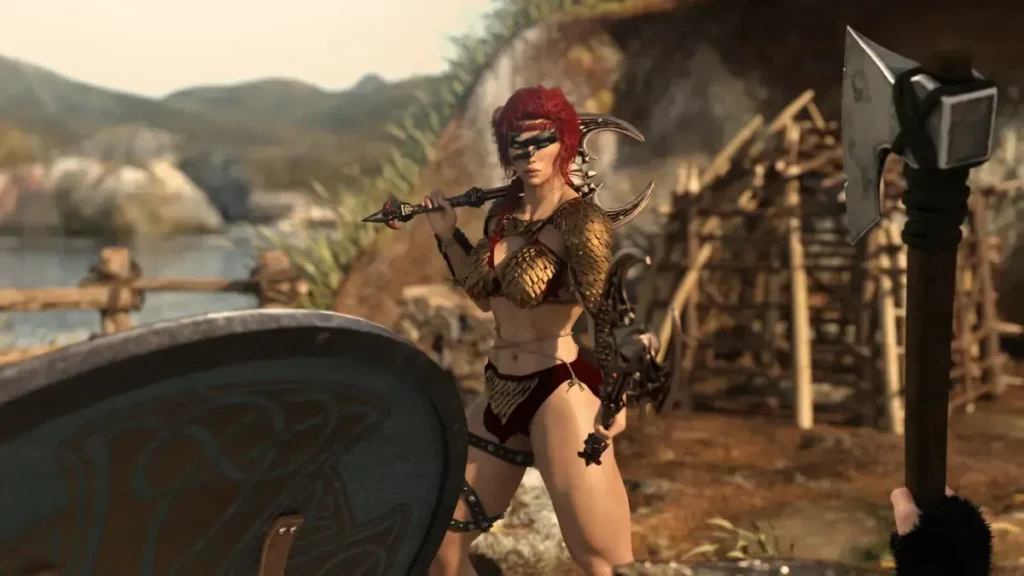
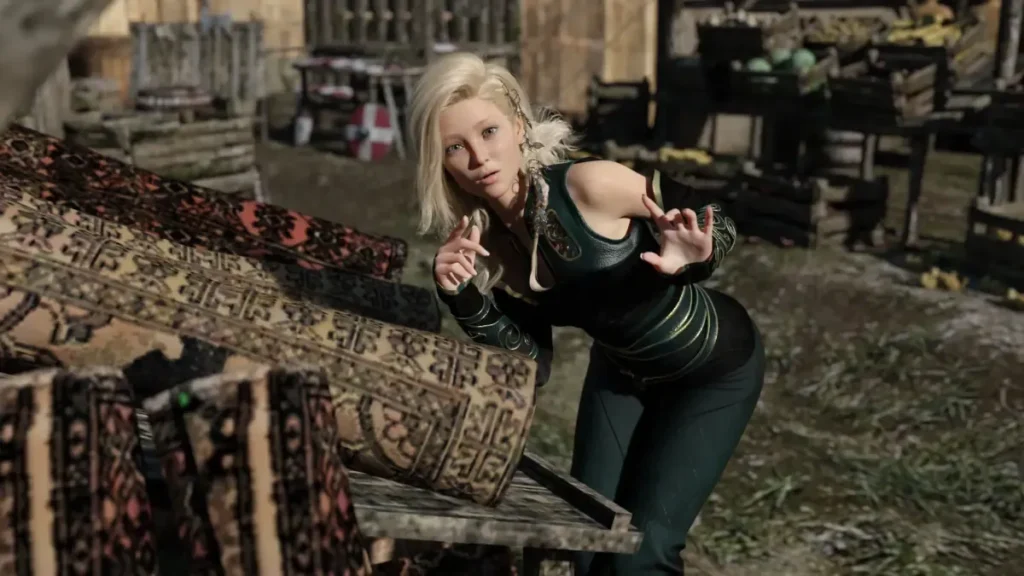
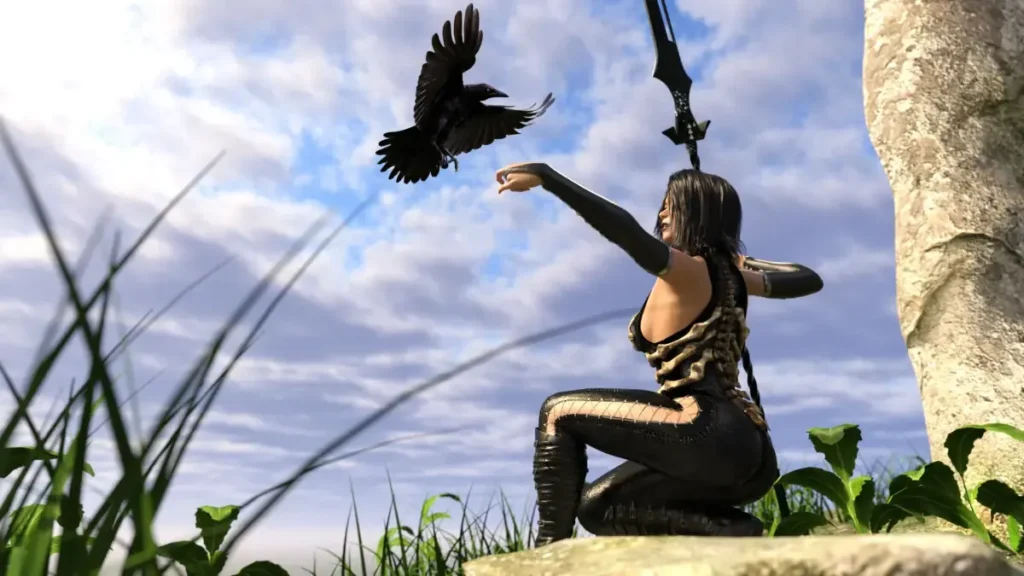
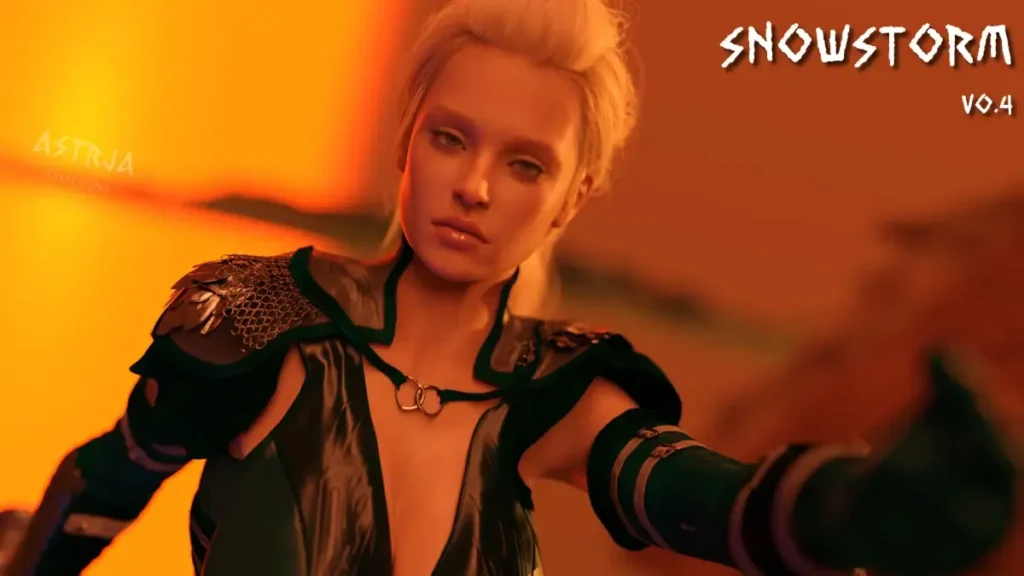
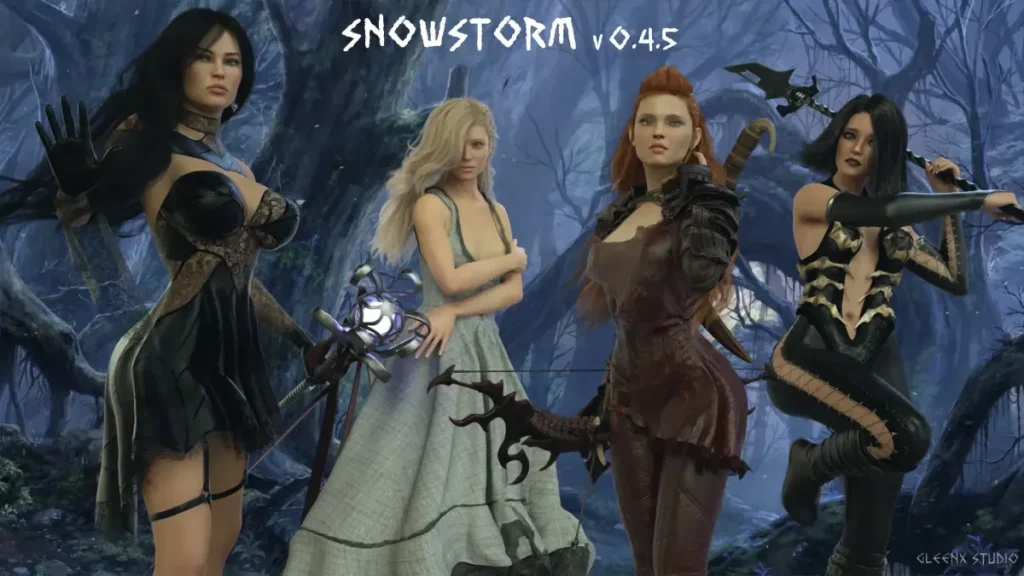
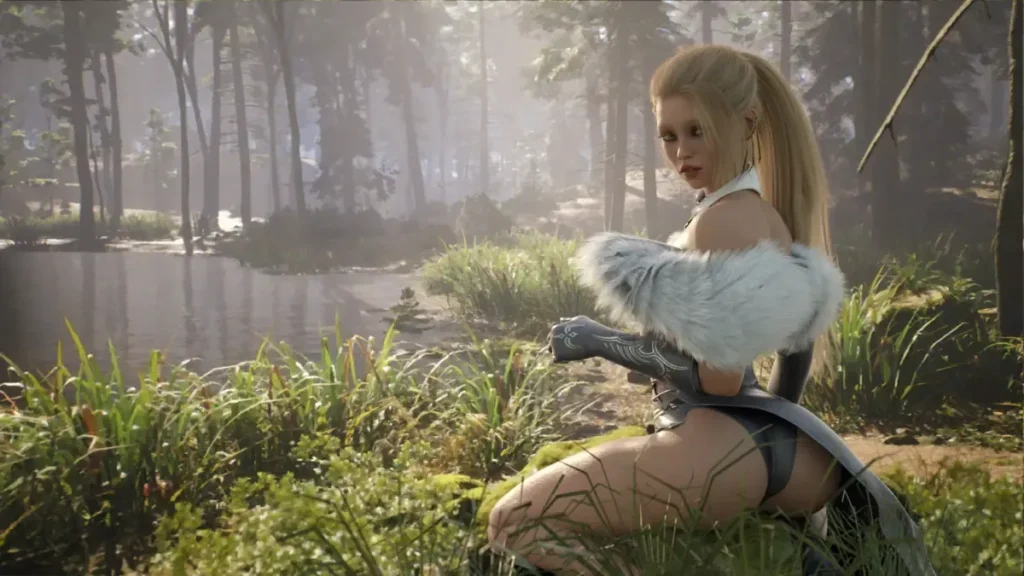
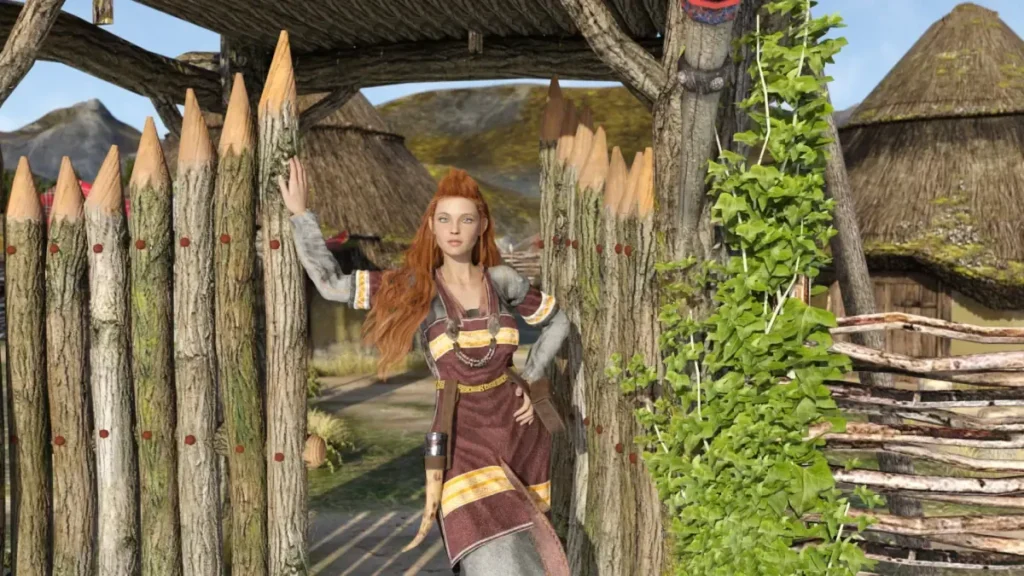
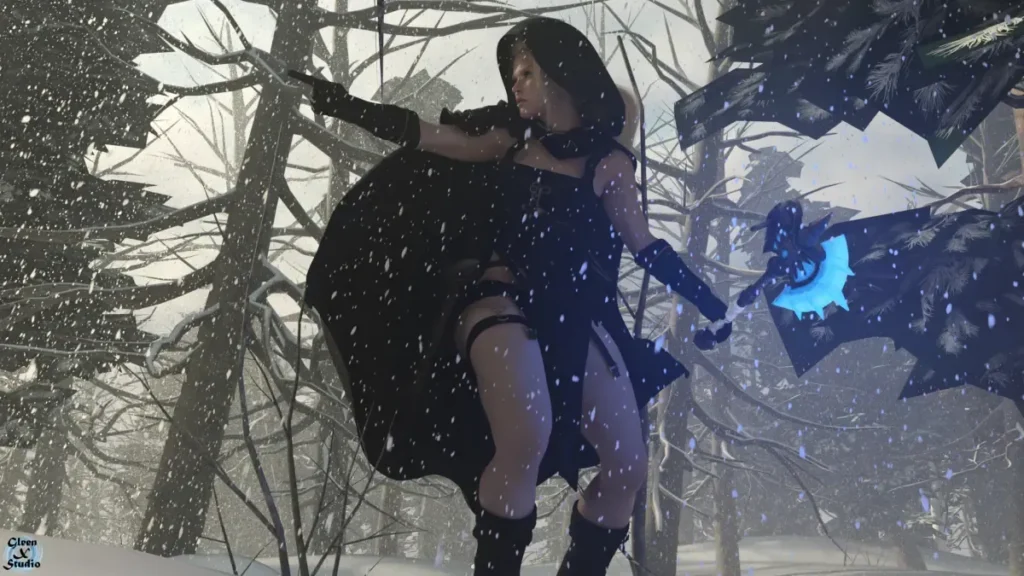
SnowStorm is an adult-oriented, choice-driven narrative game that immerses players in a stark, winter-themed world inspired by ancient Norse mysteries. Unlike traditional games with complex combat or sprawling open worlds, SnowStorm focuses on storytelling and character interaction, where your dialogue choices shape relationships and story branches. Set in the remote village of Njardarheimr, surrounded by lakes and mountains, you’ll explore key locations, converse with a small cast of characters, and manage limited resources like time and trust. The game’s core appeal lies in its deep focus on story and consequence, offering multiple endings and replayability. Whether you’re drawn to survival challenges or romantic encounters with beautiful girls, SnowStorm delivers an interactive drama intended for a mature audience.
What Makes SnowStorm a Unique Adult Narrative Game?
How Do Choices Shape the SnowStorm Story?
Every decision you make in the SnowStorm game ripples through the narrative like footprints in fresh powder. When I first sat down to explore this winter-themed Norse world, I assumed my choices would affect things on the surface — which character liked me, which mission I unlocked next. But then I reached a pivotal moment: a conversation with the mysterious rune-keeper, and I casually chose a sarcastic reply. I expected a bit of eye-rolling. Instead, she slammed the doors of her hall, and an entire story branch vanished from my playthrough. That’s when I realized this was no ordinary adventure.
In a choice-driven narrative, the core loop is deceptively simple: you read, you decide, you live with the outcome. But in SnowStorm, those decisions go far deeper than picking a “good” or “evil” path. The game tracks your attitude, your loyalty, your willingness to sacrifice for others. Each conversation alters how characters view you, opening or sealing off future interactions. One SnowStorm choice might earn you an ally for life; another might turn a potential lover into a permanent rival.
Let me show you how differently a single scene can play out depending on your approach. Here’s a quick comparison of choices you might face when you encounter a stranded traveler in a blizzard:
| Your Choice | Immediate Result | Long-Term Effect |
|---|---|---|
| Offer shelter and share your rations | Traveler joins your camp, gains trust | Later reveals a secret path to a hidden valley; new story branch unlocked |
| Question their intentions coldly | Traveler leaves in anger | That valley remains inaccessible; instead, you encounter their vengeful kin later |
| Rob them while they are weak | Gain supplies but lose reputation | Your ruthless reputation spreads; certain characters refuse to cooperate |
That table only scratches the surface. The SnowStorm story weaves dozens of such moments into a tapestry where no two playthroughs look alike. You can’t save-scum your way to a perfect ending either — the game remembers your patterns and adapts. This is the kind of character interaction that makes you pause, think, and sometimes reload just to see what you missed. And that brings me to why storytelling here isn’t a backdrop — it’s the entire landscape. 🗺️
Why Is Storytelling the Heart of SnowStorm?
Let me be blunt: if you’re looking for endless hack‑and‑slash combat, this isn’t that game. SnowStorm treats fighting the way a great novel treats a sword duel — it’s there to reveal character, not to level up your stats. The real battles happen across the dinner table, around a crackling fire, or in a whispered confession under the Northern Lights. Storytelling is the engine, and everything else is just fuel.
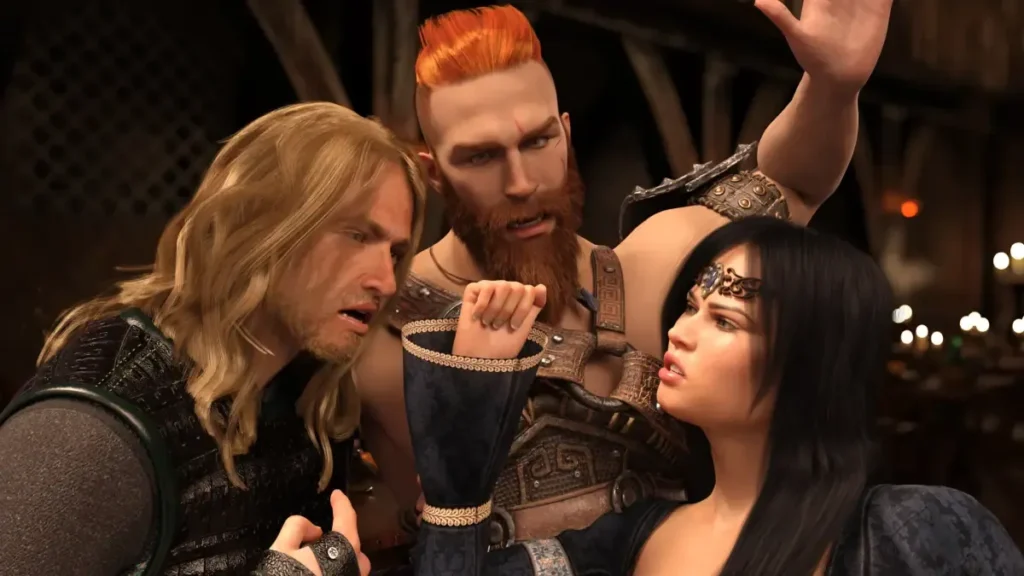
I remember a particular evening where I spent nearly an hour just talking to three characters in a longhouse. One was a disgraced berserker, another a cunning trader, and the third a quiet healer with secrets. Each conversation fed into the next. The healer’s hesitation made me suspect the berserker was lying. The trader offered to help me expose him — for a price. By the end of that session, I had uncovered a conspiracy that reshaped my entire SnowStorm story direction. No swords drawn, no health bars. Pure character interaction that felt more intense than any boss fight I’ve ever played. 🧊
The developers clearly built this game for mature audiences who crave emotional depth. You’ll encounter themes of loss, betrayal, longing, and redemption — all wrapped in Norse mythology but told with modern sensibilities. Every line of dialogue is crafted to make you feel something. And because the choice-driven narrative respects your intelligence, you’re never forced into a binary good/evil slot. You can be pragmatic, compassionate, ruthless, or even romantic in ways that feel true to your own personality.
One of the smartest design decisions is how the game measures your progress. Forget experience bars. Instead, your journey is tracked through unlocked scenes and story branches. You know you’ve made an impact when you suddenly gain access to a new location or a character starts treating you differently because of something you said three chapters ago. It’s deeply rewarding — and it makes you want to replay immediately to see the paths you missed. 🔄
What Resources Do You Manage in SnowStorm?
If storytelling is the heart, resource management is the steady pulse that keeps you alive. But don’t expect to juggle wood, stone, and iron — that’s not the SnowStorm way. Instead, you manage three intangible yet fiercely real resources: time, social energy, and trust (or influence). Each day in the frozen Norse wilderness is limited. You can’t visit every location, speak to every character, or follow every lead in a single run. And that’s where the game’s brilliance shines.
Let me break down how these resources work in practice.
Time is the most obvious constraint. The world operates on a day‑night cycle, and certain events only happen at specific hours. A character might only be receptive at dusk, or a ritual can only be performed under a full moon. If you waste the morning hunting for herbs, you might miss a crucial conversation that could have unlocked a new story branch. Every action costs hours, and you’ll constantly feel the pressure to prioritize. ⏳
Social energy is more subtle. Your character has a finite capacity for emotional engagement before they need to rest. Pushing too hard — flirting, arguing, or comforting — drains this resource quickly. I learned this the hard way when I tried to charm three characters in one evening. By the third conversation, my dialogue options became blunt and irritable, and I accidentally offended the chieftain’s daughter. Repairing that relationship took another two in‑game days. The lesson: in SnowStorm, you can’t please everyone in one playthrough. You have to choose whom to invest in. 🤝
Trust and influence act as your social currency. Earning trust opens doors — literally. A character who fully trusts you might reveal a hidden cave or share a powerful secret. Influence lets you persuade others to act against their own interests. But both are finite resources. Spend too much trust on one faction, and another will grow suspicious. SnowStorm choices around loyalty are often zero‑sum. You’ll find yourself asking: Do I risk my standing with the shield‑maidens to gain favor with the rune‑master? There’s no correct answer — only consequences.
The beauty of this system is that progression feels earned. Instead of a level‑up screen, you see your relationships deepen, your unlocked scenes list grow, and new story branches emerge from the choices you made. Replayability isn’t a feature — it’s a necessity. You’ll want to start over just to see what happens when you prioritize the trader over the healer, or when you trust the berserker instead of the chieftain. ❄️
In the end, what makes SnowStorm a truly unique adult narrative game is how it respects your agency. It doesn’t hand you a map — it gives you a compass and a blizzard, and says, “Go find your own path.” For those of us who crave stories that feel personal, where every conversation matters and every resource counts, this winter saga becomes something unforgettable.
SnowStorm stands out as an adult-oriented, choice-driven narrative game where storytelling and character interaction take center stage in a winter-themed Norse world. Your dialogue choices shape relationships and story paths, leading to multiple endings and encouraging replayability to explore alternative outcomes. With resource management involving time, trust, and influence, players navigate a small cast of characters in the village of Njardarheimr, balancing survival challenges with romantic encounters. The game’s focus on story and consequence offers a unique interactive drama experience for mature audiences. If you’re drawn to deep narratives with meaningful consequences, SnowStorm delivers an unforgettable journey through ancient Norse mysteries and beautiful character encounters.